Applications
UW-Madison Engineers Achieve Zero Gravity 3D Printing of RAM
Student engineers at the University of Wisconsin-Madison have taken a giant leap toward self-sustaining space exploration by successfully 3D printing Random Access Memory (RAM) devices in zero gravity. This achievement, realized in March 2024, represents a significant advancement
- 3 min read
- Applications
- Six more stories

Student engineers at the University of Wisconsin-Madison have taken a giant leap toward self-sustaining space exploration by successfully 3D printing Random Access Memory (RAM) devices in zero gravity. This achievement, realized in March 2024, represents a significant advancement for long-duration space missions.
Traditional 3D printing techniques rely on gravity to function, allowing the printer to extrude materials through its nozzle, a method incompatible with the zero-gravity conditions of space. To address this, the UW-Madison team, led by Assistant Professor Hantang Qin from the Department of Industrial and Systems Engineering, developed a novel approach known as electrohydrodynamic (EHD) printing.

(Photo Credits: UW-Madison)
This technique leverages electrical forces to propel liquid materials through an ultra-fine nozzle measuring just 30 micrometers in diameter. Despite the zero-gravity conditions of space, the tension created by this micro-nozzle prevents the material from seeping out of the printer at any time outside the printing process. Elaborating on this process, Qin stated, “Under this small scale, the surface tension will prevent the liquid from flowing out from this nozzle. And then we apply this electrical force to break out of this surface tension force.”
More from the desk
Six other notes from the rest of the bench.
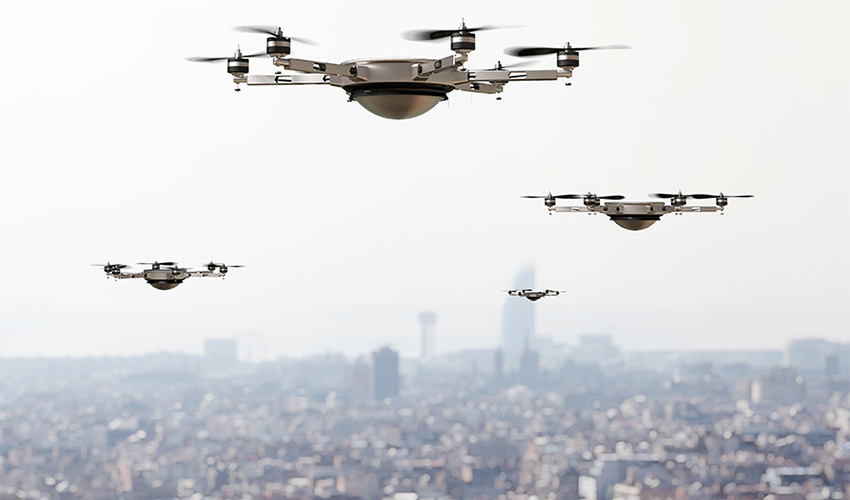 Guides3D Printed Drones: From DIY to CommercialDrones are small aircraft without a pilot or passengers that are controlled remotely or automatically. They serve several purposes in the modern world, including for surveillance, reconnaissance, photography, among other applications.. They are also popular with individuals who u
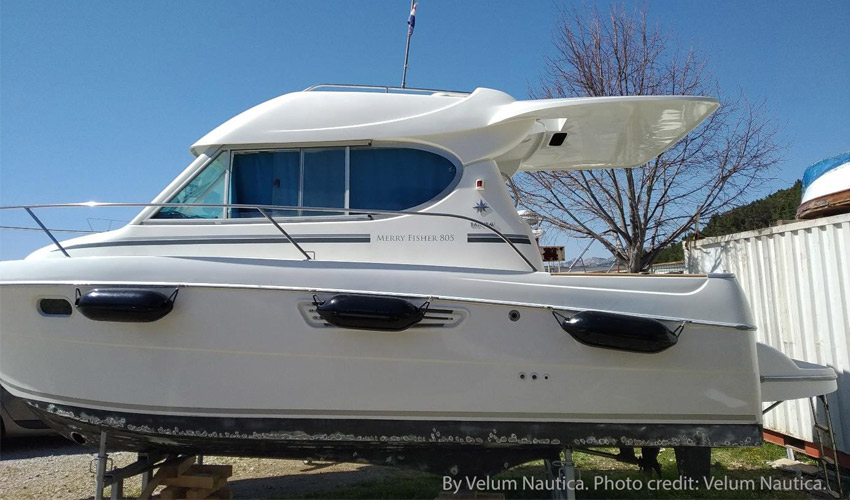 ApplicationsThe Role of Large Format Additive Manufacturing in Boat Building and RepairIn the maritime sector, additive manufacturing is becoming popular for the production of boats, whether to design custom parts, higher-performance components or entire models. In Greece, one of the countries where tourism is a key asset for the economy, the…
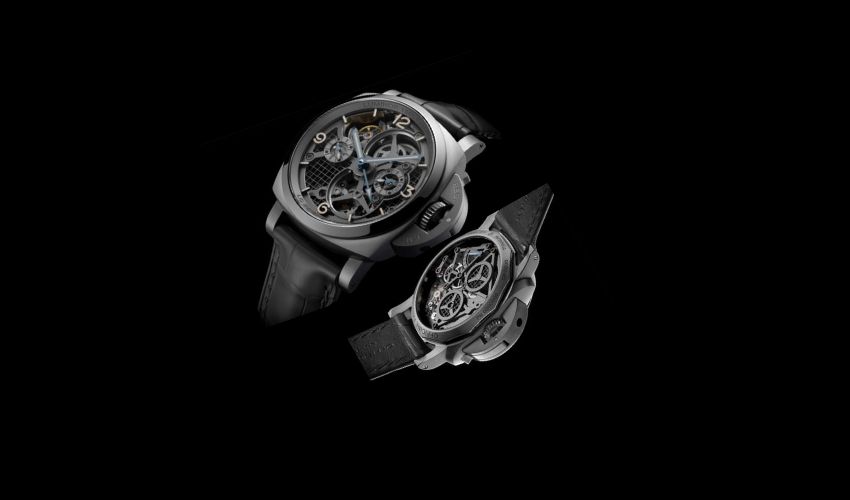 NewsThe Next Generation of Timepieces: Panerai’s 3D Printed Submersible WatchAdvancements within the watchmaking industry continue to captivate enthusiasts, pushing the boundaries of tradition and embracing technological innovations. Panerai, a company with a rich history dating back to 1860, showcased their commitment to embracing change at the recent Sa
 Applications3DExpress: World’s First 3D Printed Femur Transplant for Child With Bone CancerThis week’s 3DExpress is full of exciting developments. First, we cover the world’s first femur transplant that succeeded with the help of a 3D printed femur. Then, we take a look at new collaborations: Women in 3D Printing is joining…
 ApplicationsLamborghini Sian Roadster features 3D printed partsOne of the sectors that benefit the most from 3D printing technologies is the automotive industry. Additive manufacturing is often associated with affordability and speed, so many car manufacturers use this technology to produce car parts cheaper and faster. Meanwhile,…
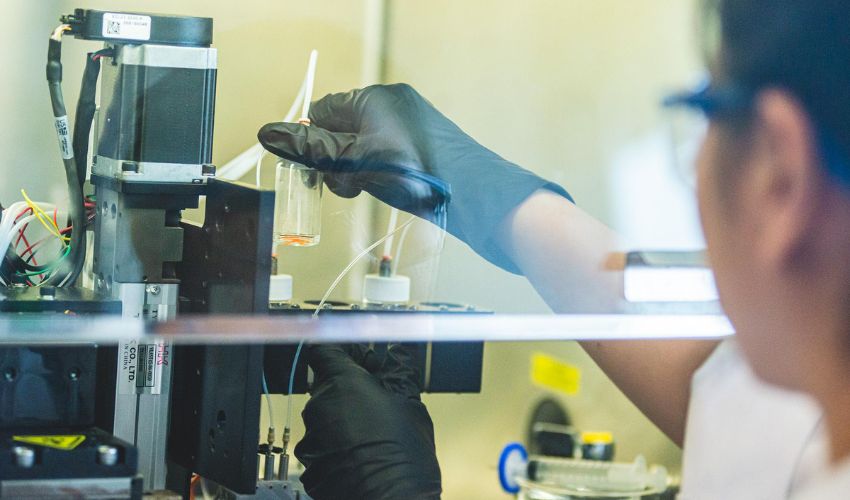 ApplicationsNew 3D Printed Skin Integrates Hair Follicles and Could Heal Wounds3D printing is used in a very wide variety of areas in medicine, where it has opens up new ways of treating patients. In recent news, a research team from Penn State has succeeded in making 3D printed living skin…