Applications
US Air Force and GE’s collaboration on metal AM reaches first milestone
In mid-2019, GE Additive and GE Aviation approached the US Air Force to propose a metal additive collaboration program to address its specific sustainment, readiness and affordability needs. It’s the US Air Force’s Rapid Sustainment Office (RSO) that is in…
- 3 min read
- Applications
- Six more stories
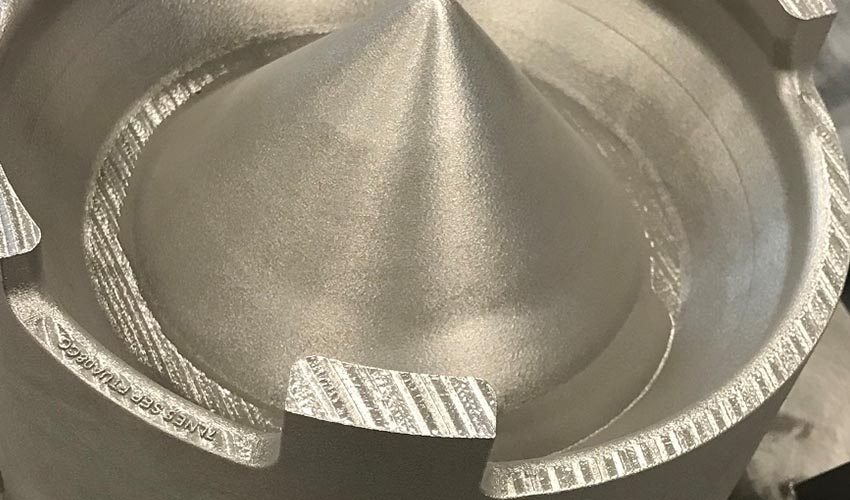
In mid-2019, GE Additive and GE Aviation approached the US Air Force to propose a metal additive collaboration program to address its specific sustainment, readiness and affordability needs. It’s the US Air Force’s Rapid Sustainment Office (RSO) that is in charge of the operation and sustainment of its fleet of aircraft. Given the number of aircraft soon entering their sixth decade of service, difficulties in sourcing and producing spare parts could represent a significant risk. This is where 3D printing technologies come in, enabling the production of unique, on-demand parts that meet the specific requirements of the aerospace industry.
GE has previous experience qualifying and certifying additively manufactured metal components that meet the commercial aviation sector’s rigorous regulatory requirements. Colonel Benjamin Boehm, director, AFLCMC/LP Propulsion Directorate, explains: “The collaborative effort between the US Air Force and GE shows great promise toward the adoption of metal 3D printed parts as an option to solve the US Air Force’s current and future sustainment challenges. This capability provides an alternate method to source parts for legacy propulsion systems throughout their life cycle.”
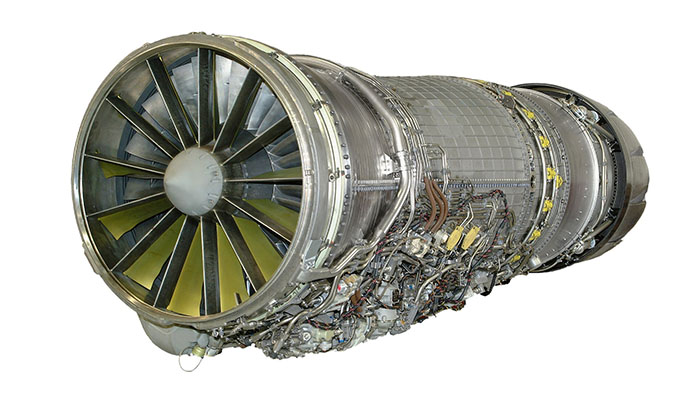
GE Aviation F110 engine | Credits: GE Additive
The benefits of metal additive manufacturing
The US Air Force and GE settled on a program based on a “spiral development” model that increases in complexity and scale with each phase. In this program, complexity involves moving from simpler part identification, progressing to part and family of parts consolidation and eventually tackling complex components and systems, such as common core heat exchangers. The key benefit of using additive manufacturing technologies in this case is the speed at which it is possible to develop these solutions.
More from the desk
Six other notes from the rest of the bench.
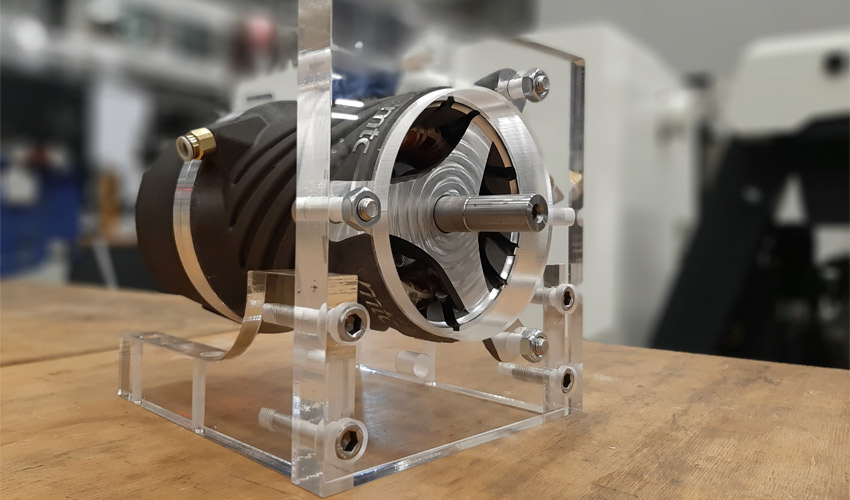 ApplicationsHas An English Research Center Found a Way to Commercialize a 3D-Printed Electric Motor?In England, the National Center for Additive Manufacturing (NCAM) has designed a 3D-printed electric motor, which they proclaim is the first of its kind. The motor consists of multiple 3D-printed parts. Furthermore, the motor has comparably more power, requires less…
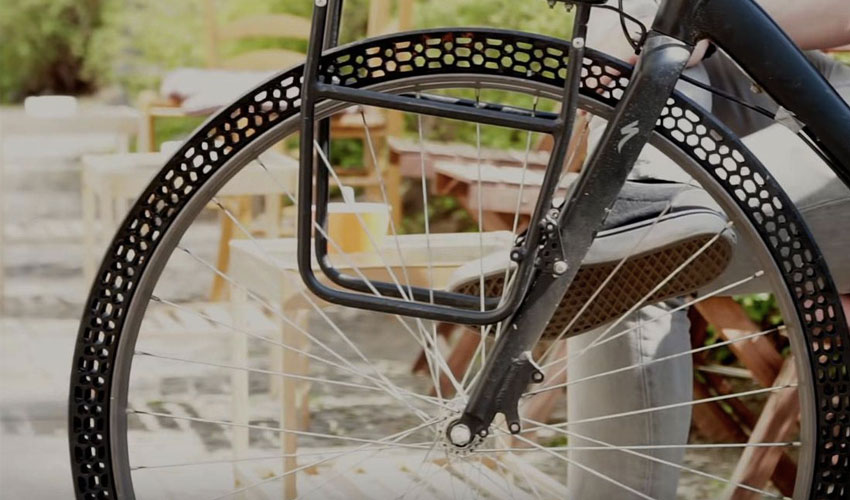 NewsBigRep 3D printed bicycle tire that could be indestructibleBigRep is continuing their research into the creation of innovative, 3 printed tires; this time, they are focusing on bicycles. To help us see their vision more clearly, BigRep has presented a new 3D printed tire that was printed using…
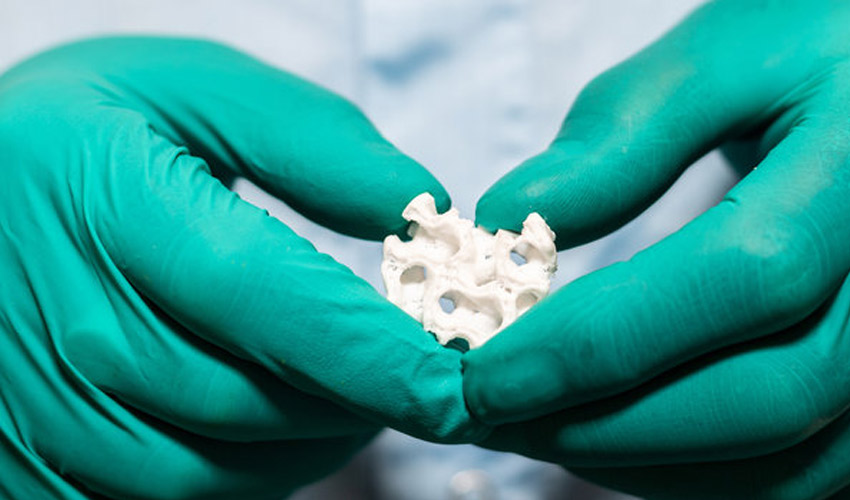 ApplicationsBioprinted skin and bones for astronautsThe European Space Agency (ESA) is currently working on a process for bioprinting human tissues from cells to better treat astronauts on mission to Mars – who have left for years of travel. In collaboration with the Dresden University of…
 NewsThe Top Videos From Formnext 2024!Formnext, “Where Ideas Take Shape,” is arguably one of the world’s most important annual additive manufacturing events. The four-day trade show came to a close last week, and we are still soaking in all of the insights from the show.…
 NewsTOP 5 videos of the week: Airbus, Fidget Spinners and more!A new selection of the best 3D printing videos of the week, just for you! Find our TOP 5 videos of the week below and tell us what your favorite video is in a comment or on our Facebook and Twitter page.…
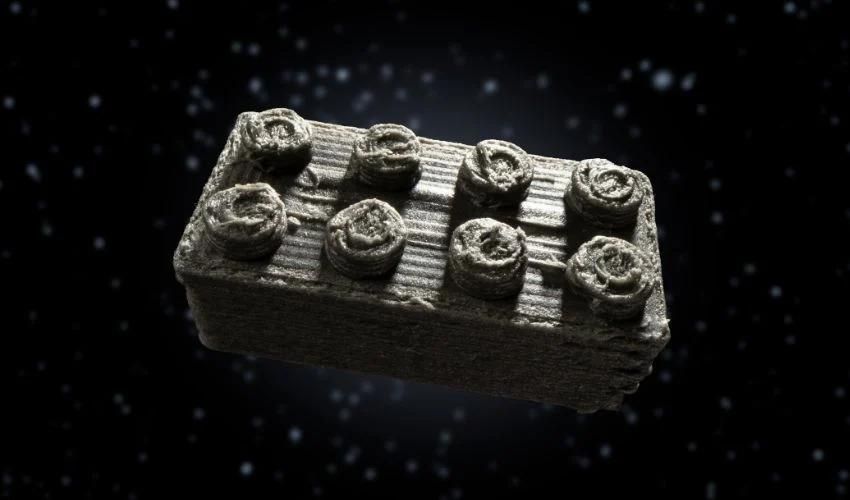 ApplicationsLEGO 3D Prints Bricks from Regolith to Promote Space ExplorationWhat might life on the moon look like? How can lunar resources be utilized to build local infrastructure? How will astronauts—and possibly future lunar inhabitants—live? These are crucial questions being explored by ESA and NASA. As part of the Artemis…