Applications
Bioprinted skin and bones for astronauts
The European Space Agency (ESA) is currently working on a process for bioprinting human tissues from cells to better treat astronauts on mission to Mars – who have left for years of travel. In collaboration with the Dresden University of…
- 3 min read
- Applications
- Six more stories
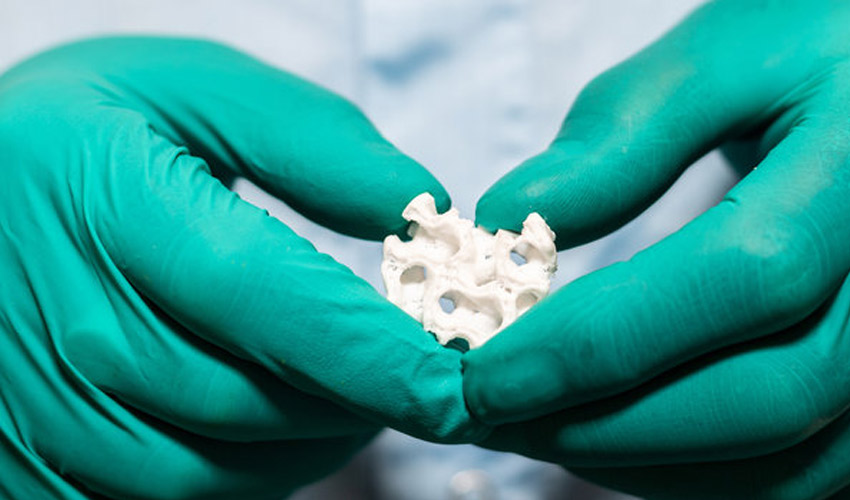
The European Space Agency (ESA) is currently working on a process for bioprinting human tissues from cells to better treat astronauts on mission to Mars – who have left for years of travel. In collaboration with the Dresden University of Technology Hospital and Blue Horizon, the teams have developed the first bioprinted skin and bone samples. The process has been done backwards to see if it could work in an environment where gravitation is completely different: the first results are apparently conclusive, good news for astronauts!
Research in bioprinting in space is not new; already on board the International Space Station, researchers are interested in the development of cancer cells and are using bioprinting to develop different models. ESA is looking at the care provided to astronauts on mission: it seeks to provide them with effective remedies, without any intervention from the Earth. The scientists in charge of the project have used plasma as bioink to develop the first samples.
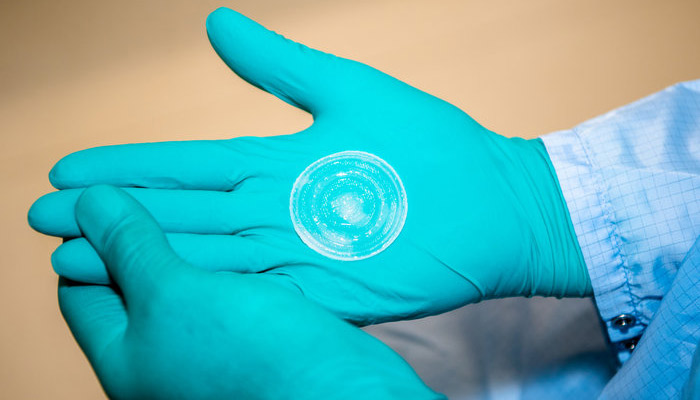
A bioprinted skin sample | Photo credits: ESA – SJM Photography
According to Nieves Cubo of the University of Dresden, blood plasma acts as a nutrient-rich biological ink, a liquid component that could be collected directly from the astronaut in question. The problem is that plasma has a very fluid consistency with which it is difficult to work, especially in weightlessness. To meet this challenge, the researchers have added methylcellulose and alginate to increase the viscosity of the final biological ink. These two agents are found in plants and algae and can be easily transported in space.
More from the desk
Six other notes from the rest of the bench.
 Materials3D Printing using Apricot Cores: AMtopus3D printing innovations seem to be occurring at a faster and faster rate. One of the most exciting innovations are the amount of new materials being developed for 3D printing. Recently however, we’ve seen chocolate, metal, wood, and more able…
 PrintersThe Complete Guide to 3D Scanners using Laser TriangulationIn line with our files on 3D printing processes, we will be starting today with a new series dedicated to the different techniques of 3D digitization. While the origin of the first 3D scanners dates back to the 1960s, this…
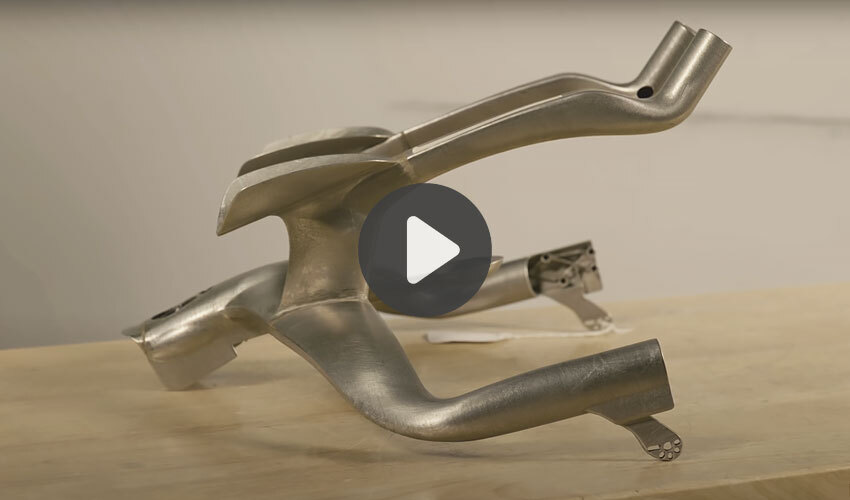 NewsTOP 5 Videos: 3D Printed Titanium BikeThis week we found the top 5 videos about 3D printing and the way additive manufacturing is changing production. The technology has infiltrated many sectors, from medical to automotive: check our selection of the week to keep up with the innovations! If you enjoy these, you&helli
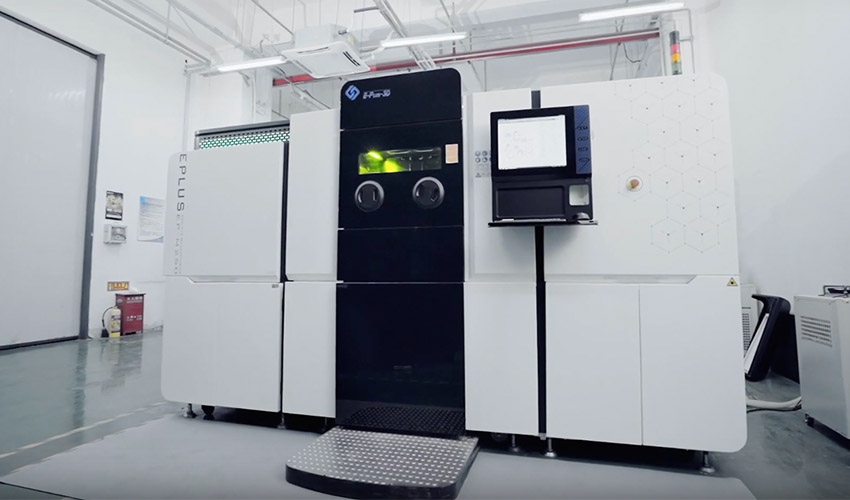 PrintersSHINING 3D expands accessible metal 3D printing with new EP-M250 Pro machineAt Formnext 2019, an unprecedented number of manufacturers presented their solutions for metal additive manufacturing, demonstrating how important this segment is and will continue to be for the industry. In fact, in a recent report focusing on metal AM, published…
 NewsMeat eaters try 3D printed plant-based meatRedefine Meat develops 3D printing technology to produce plant-based meat alternatives (which they call Alt-Meat products). Today, the Israeli-based company revealed the results of the largest-scale public blind-tasting of Alt-Meat products ever made, targeted to meat eaters. Con
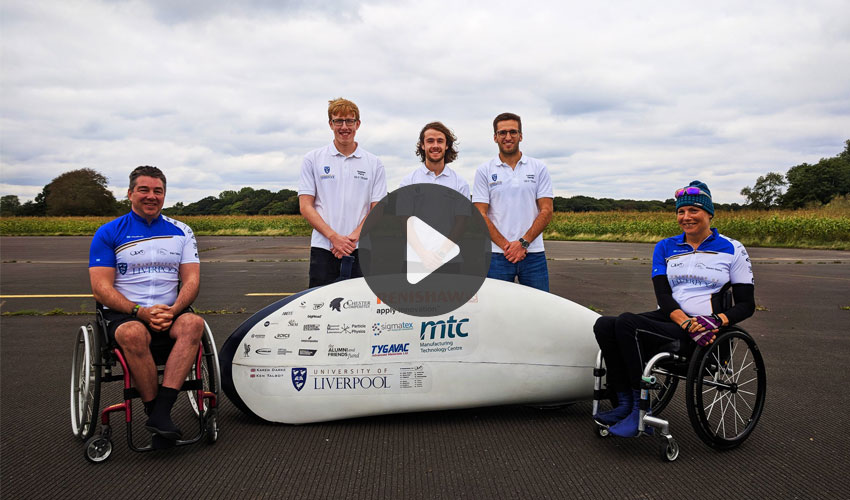 NewsTOP 5 videos of the week: the world’s fastest cycle and much more!We found the TOP 5 videos of the week related to 3D printing and collected the additive manufacturing here. Share your videos and comment on the article below or on the 3Dnatives’ Facebook or Twitter account. Hope you’ll enjoy and…