Materials
University of Washington 3D Prints Plastic Alternative With Mushrooms and Coffee Grounds
Among those who drink coffee daily in the United States, over 80 percent drink two or more cups a day. At a minimum, that means 14 cups of coffee per week, or 728 cups of coffee a year. In total,…
- 3 min read
- Materials
- Six more stories
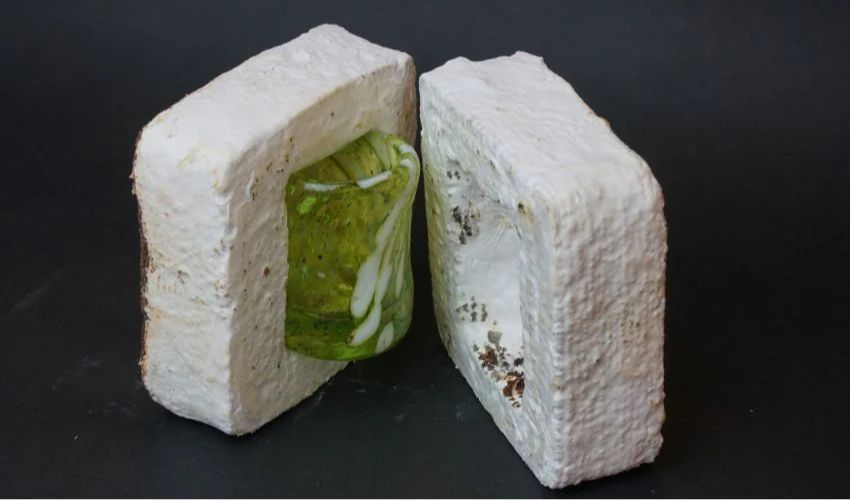
Among those who drink coffee daily in the United States, over 80 percent drink two or more cups a day. At a minimum, that means 14 cups of coffee per week, or 728 cups of coffee a year. In total, Americans throw away 1.1 billion pounds of coffee grounds every year. So how could coffee grounds be given a second life and be meaningfully recycled? Danli Luo, a doctoral student in engineering at the University of Washington, saw a scientific opportunity in her daily encounter with the coffee machine and, together with colleagues, developed a method to 3D print coffee grounds into new shapes. This development offers an ecological alternative to plastic.
From the Bean to the Printer
Coffee is extremely rich in nutrients and is sterilized when brewed. This makes coffee grounds an ideal breeding ground for fungi. When they grow, they first form a complex root system, the mycelium, with a fine, whitish mycelium skin. Mushroom mycelium is now increasingly being used as a fabrication material. Numerous companies, researchers and designers are experimenting with it because it is light, robust and water-repellent. Luo and her team of researchers combined coffee grounds with reishi mushroom spores to leverage both advantages. They also added brown rice flour and xanthan gum. This gave them a printable coffee-based paste, which they called “Mycofluid” and which served as a printing material for new structures.
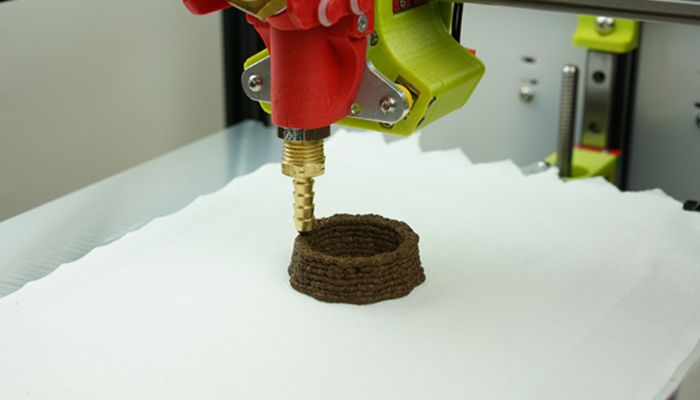
The coffee grounds paste is processed into new structures using 3D printing.
To upgrade the Jubilee 3D printer in the Machine Agency Lab at the University of Washington, Luo also developed a print head with a larger capacity (1 liter) for the paste, so various objects could extruded. In this process, the reishi mushroom spores injected into the paste ensure that a mycelium skin forms after printing. The printed structures have to be stored for ten days for this to happen. The mycelium skin is then sufficiently formed and contributes to the stability of the printed object. To prevent actual fungal growth on the coffee objects, the parts must be dried. As soon as the moisture formation stops, the fungi stop growing.
More from the desk
Six other notes from the rest of the bench.
 NewsThe Role of 3D Printing in the Luxury Goods SectorThe global luxury goods market is experiencing a rapid post-pandemic recovery and could reach €380 billion by 2025, according to a report published by the Italian luxury goods manufacturers’ foundation, Fondazione Altagamma, and strategic consulting firm Bain & Company.
 MaterialsSoft Motors: The 3D Material That Changes Shape On Its OwnA team of researchers at Oregon State University, led by Devin Roach, has developed a revolutionary technique for 3D printing materials that can change shape. The material is programmed and once printed, it moves like muscles. These materials, known as…
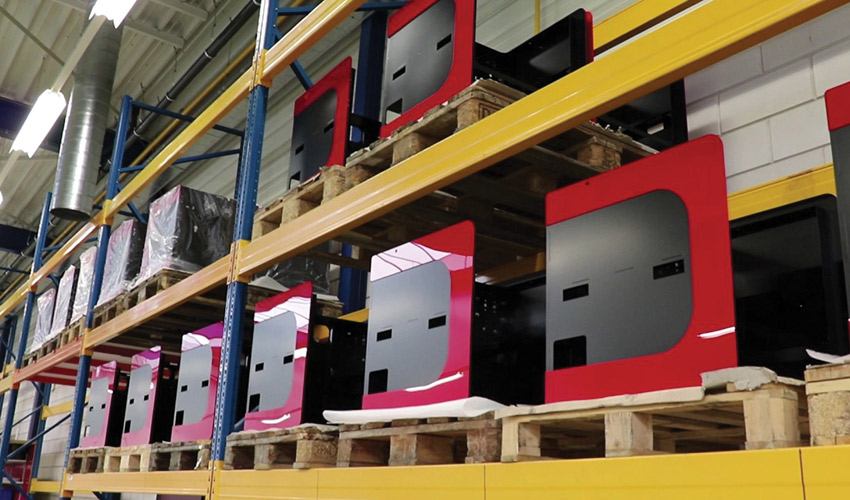 PrintersBehind the scenes with professional 3D printer manufacturer dddropThe Netherlands is undoubtedly a dominant force within the European 3D printing industry. Companies such as Ultimaker, 3D Hubs, and ColorFabb have expanded worldwide, showing the power of Dutch entrepreneurialism. However, during this Dutch 3D printing golden era one company&hell
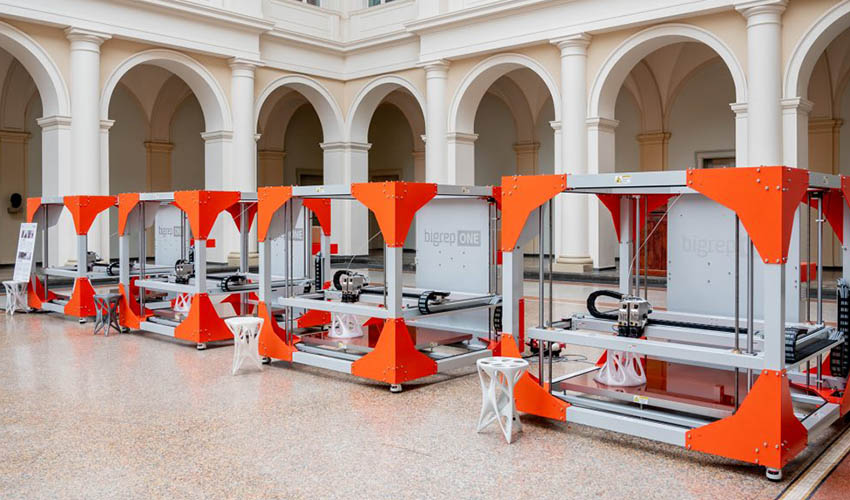 PrintersBigRep Ships its 500th Large-Format 3D PrinterThe leading large-format 3D printer manufacturer, BigRep, celebrated the delivery of its 500th industrial machine last week. The company was founded in 2014, and is well known in the additive manufacturing industry for having developed some of the world’s largest…
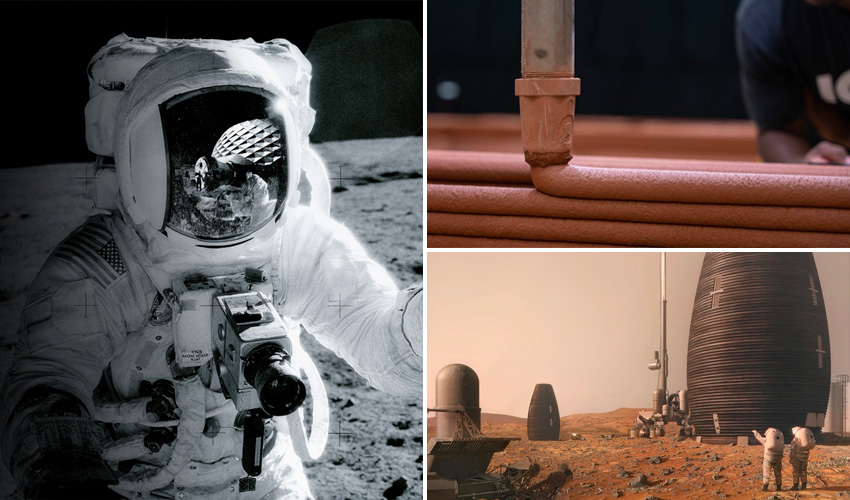 GuidesUsing 3D Printing to Conquer Outer SpaceEveryone has heard of the Space Race that took place in the 20th century. The battle between the Soviet Union ended in 1975, but did you know a new Space Race has been sparked? This time, scientists all over the…
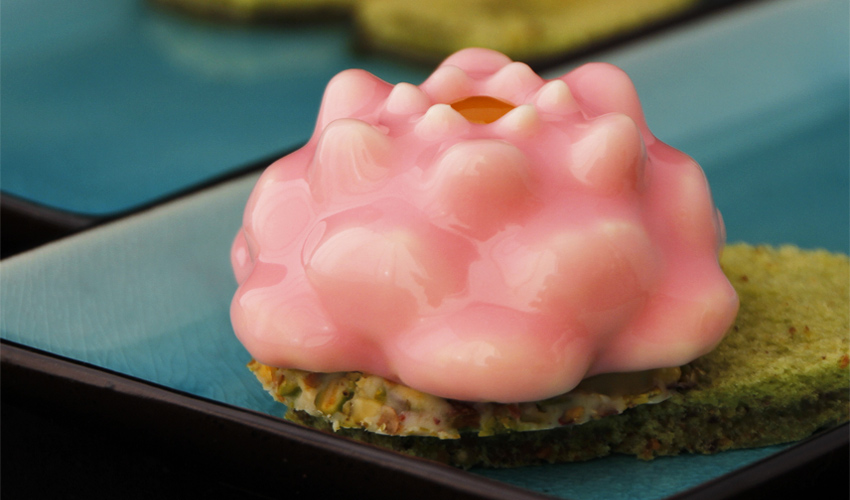 Guides3D Treats Talks 3D Printing Original DessertsAs we know, food 3D printing is growing rapidly. This manufacturing method involves creating models by extruding food and stacking them layer by layer. Many solutions have been developed based on this technology, the most common being chocolate 3D printers.…