News
Unilever Turns to 3D Printing to Make Better Plastic Bottles
One less-discussed area where we have seen the growth of 3D printing in recent years is in the packaging industry. With the market valued at $1.21B in 2023 and expected to rise to $2.56B by 2023, according to Future Market…
- 3 min read
- News
- Six more stories
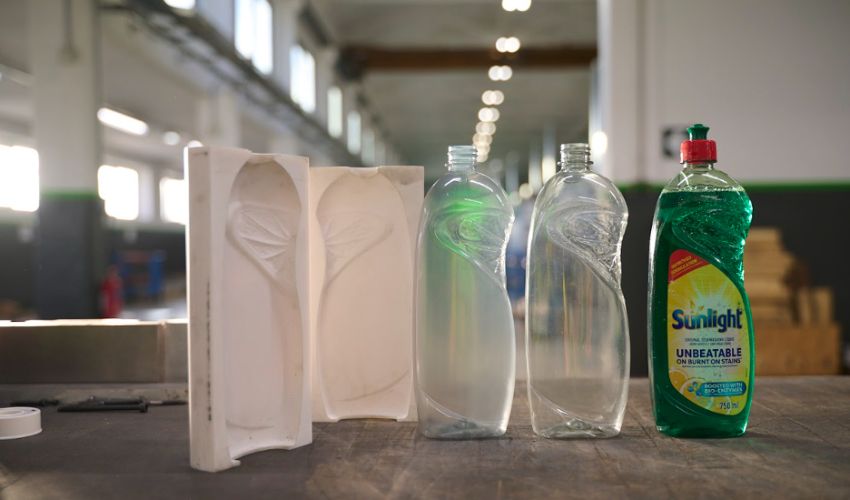
One less-discussed area where we have seen the growth of 3D printing in recent years is in the packaging industry. With the market valued at $1.21B in 2023 and expected to rise to $2.56B by 2023, according to Future Market Insights, in recent years we have seen more and more large names including L’Oréal and Pepsi turning to additive manufacturing. Now, we have yet another to add to the list, Unilever, who has turned to resin 3D printing from Formlabs to make molds for plastic bottles.
Maybe you have not heard of Unilever before. However, you have definitely heard of some of the British company’s products and brands, including Axe, Ben & Jerry’s, Dove, and Knorr, among many others. The fast-moving consumer goods (FMCG) conglomerate is the largest producer of soap in the world, with products available in over 190 countries. Still, the FMCG sector has fierce competition and thus Unilever is constantly looking for ways to innovate, including this latest move to use 3D printing for bottles.

Comparing bottle prototypes made using the 3D printed mold
Stefano Cademartiri, CAD & Prototyping Owner, Unilever, expands, “A consumer goods company like Unilever must be on the market as soon as possible or before your competitors. You need to offer the best product at the best price in the shortest time possible to the consumers. 3D printing helps us speed up this process.”
More from the desk
Six other notes from the rest of the bench.
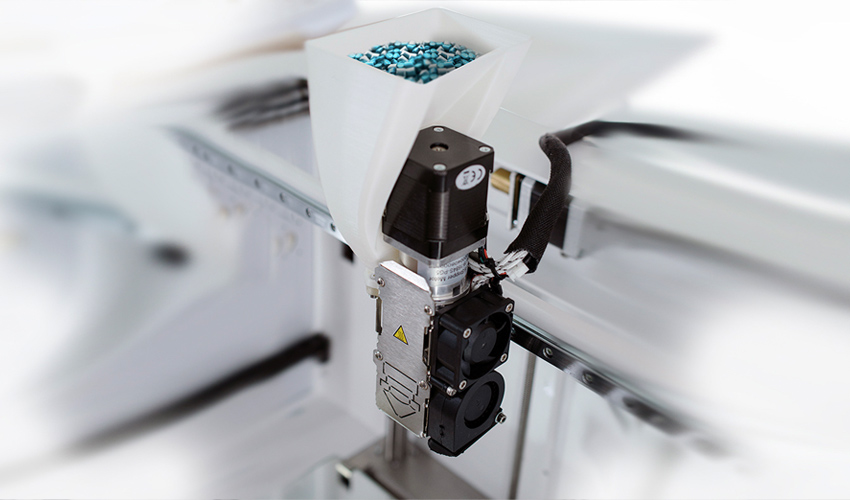 MaterialsTumaker on the 3D Printing of Pellets Adapted to Production RequirementsAs 3D printing technologies gain prominence in different application sectors, more and more companies are considering taking advantage of the benefits offered by the manufacturing process. The main method they tend to opt for is the fused deposition modeling (FDM),…
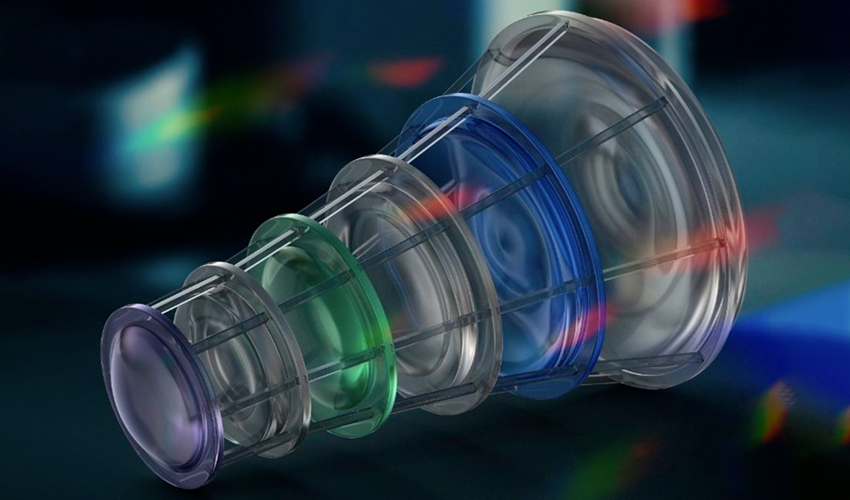 Guides#3DStartup: HETEROMERGE and Multi-Material, Micro 3D PrintingAlthough additive manufacturing is an increasingly democratized production tool, we can still find certain limitations in adoption. For example, industry in particular is experiencing an increasing need for precision in end-use parts. This is especially important for micro- and n
 NewsGiant 3D printed butterfly sanctuary building in New York CityThe Brooklyn-based nonprofit architecture and urban design group, Terreform One revealed an incredible design concept for an urban ‘Monarch Butterfly’ sanctuary to be set in the Big Apple. The vertical meadow façade they imagined would be 3D printed in carbon…
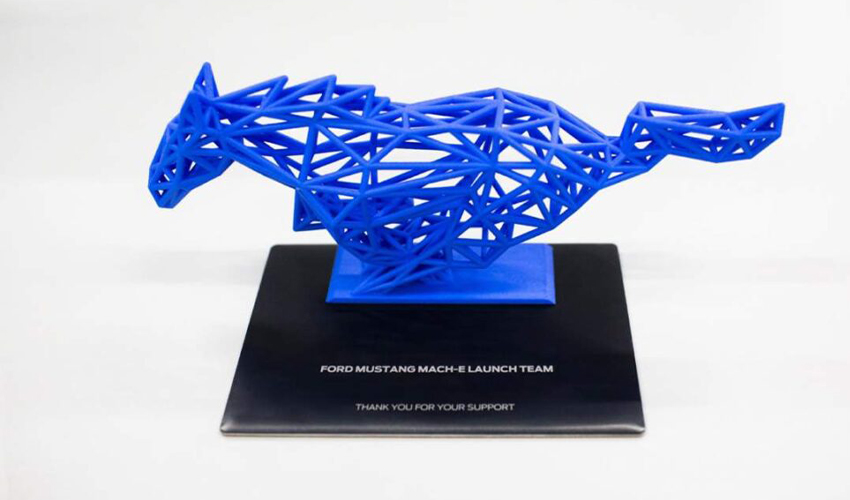 NewsFord Thanks Mustang Mach-E Customers with 3D Printed SculptureFor many years now, Ford has been recognized in the automotive industry for its use of additive manufacturing. In 1988, the American car manufacturer acquired the first 3D printer available on the market. A daring bet for the company, which has proven…
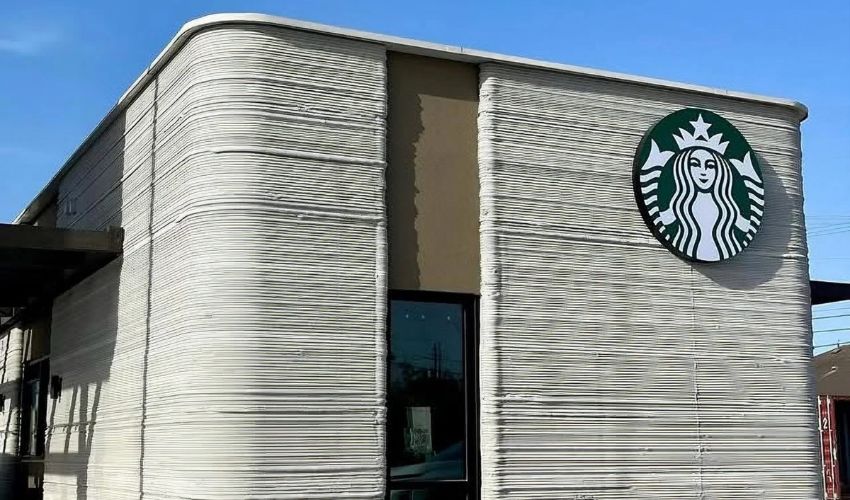 NewsFirst-Ever 3D Printed Starbucks to Open in TexasIt may not be as American as apple pie, but Starbucks has quickly become an emblem of American soft power and consumerism, similar to McDonald’s. And now, Starbucks has announced its first-ever 3D printed location. Opening on April 28th, it…
 NewsTop 5 Videos: Slicing Resin 3D Prints and Avoiding Print FailuresWelcome to our compilation of this week’s most compelling 3D printing highlights. We kick off this week’s edition with our very own video, providing essential tips for resin slicing and 3D printing, complemented by a demonstration of solid printing techniques…