Guides
Ukma and Additive Manufacturing in Contemporary Design
Large-format 3D printing has become one of the most versatile tools in contemporary design thanks to its many advantages. It provides creative freedom, supports a wide range of materials, and offers endless aesthetic possibilities. Ukma is reimagining the relationship between&hel
- 3 min read
- Guides
- Six more stories
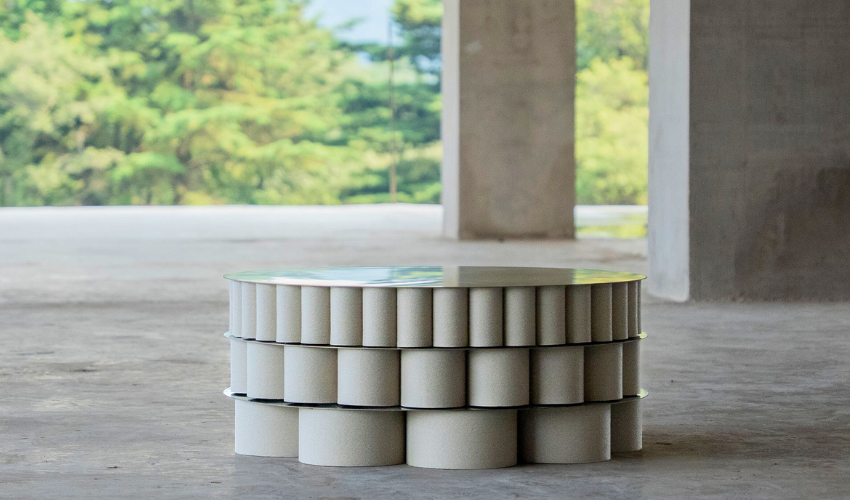
Large-format 3D printing has become one of the most versatile tools in contemporary design thanks to its many advantages. It provides creative freedom, supports a wide range of materials, and offers endless aesthetic possibilities. Ukma is reimagining the relationship between matter and form through this technology. Based in Mexico, the studio transforms recycled polymers and biomaterials into pieces that blend engineering, design, and experimentation. Rather than reproducing traditional methods, their approach explores how technology can create objects that are not only lived in but also felt. In this interview, the founders share how additive manufacturing became part of their creative process and discuss the benefits of working with circular materials and local production.
3DN: Could you introduce yourselves and tell us how you first got involved with 3D printing?

We are Mauricio Balmaceda, Alonso del Valle, and Diego Balmaceda, the founders of Ukma. Mauricio leads operations and technical development, focusing on materials, processes, and additive manufacturing. Alonso oversees strategy, marketing, and commercial partnerships, shaping the brand’s narrative and public presence. Meanwhile, Diego manages the financial and legal side of the business, ensuring that our growth stays aligned with our vision and values.
3D printing has been part of our process since Ukma’s early days, initially used to create small-scale prototypes. As a design and manufacturing studio, we’ve always aimed to push boundaries in technology, processes, and materials. In early 2024, through ongoing research, we saw the potential of large-format 3D printing to create complex shapes that would be nearly impossible using traditional methods. This method also comes with major sustainability benefits. It produces very little waste and allows us to work with recycled and bio-based materials. The combination of technology, customization, and sustainability led us to make 3D printing a core part of our production strategy. More than just a tool, it became a new design language for us.
More from the desk
Six other notes from the rest of the bench.
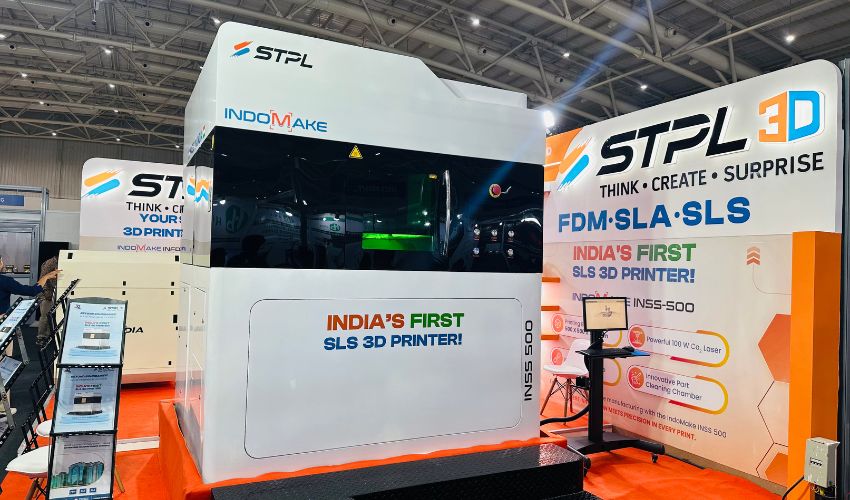 PrintersThe First Made-in-India SLS 3D Printer Makes its DebutThough we hear most often about the major additive manufacturing markets, namely the United States, Europe and China, that does not mean the technologies are not expanding elsewhere in the globe. One that seems primed in particular for expansion is…
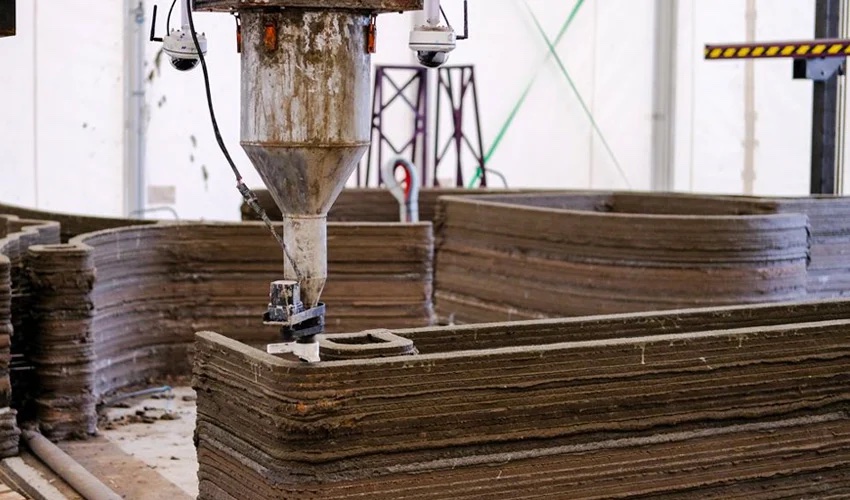 News3D Printing is Being Adopted in Colombia for ConstructionIn Latin America, additive manufacturing is still only in the process of being adopted. However, we are seeing gradual growth, which can at least be partly attributed to the creation in 2018 of the first Additive Manufacturing Consortium in Latin…
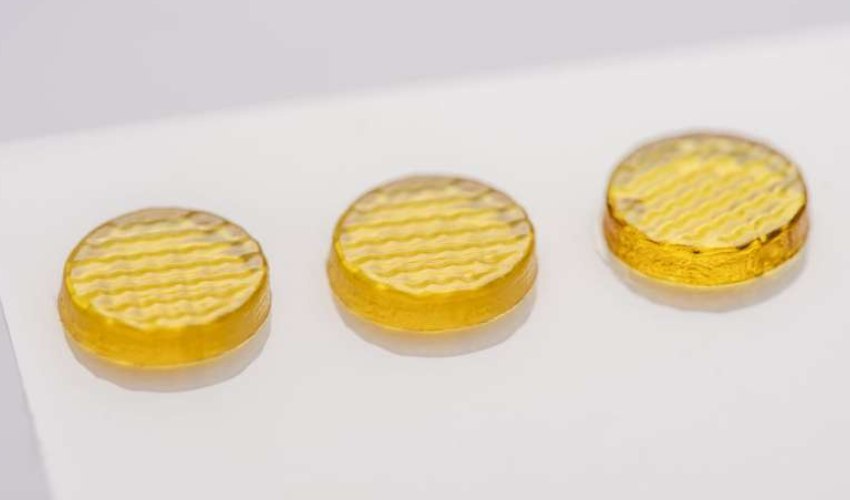 Applications3D Printing Revolutionizes Drug Delivery With Personalized TabletsResearchers at the University of Nottingham’s Centre for Additive Manufacturing have achieved a significant breakthrough in personalized healthcare through a novel 3D printing technology known as multi-material inkjet 3D printing (MM-IJ3DP). This achievement will allow for
 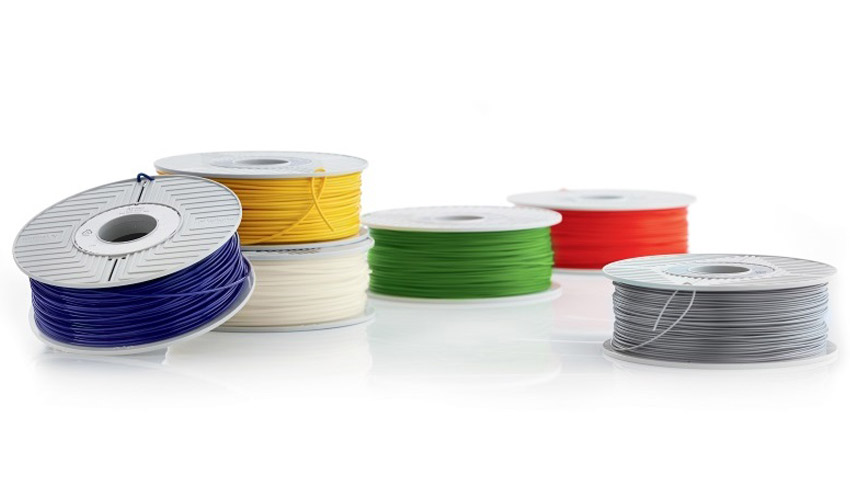 NewsVerbatim presents Durabio; an eco-friendly 3D printing filamentA subsidiary of Mitsubishi Chemical Corporation, Verbatim has announced the arrival of a new filament for FDM 3D printing made from Durabio’s eco-friendly material. This transparent material combines the properties of polycarbonate (PC) and polymethacrylate (PMMA). It has g
 News3D Printing and Intellectual Property: Are the Laws Fit for Purpose?3D printing, like any other industry, is fraught with intellectual property law considerations at all levels. These range from 3D printing hobbyists who must respect copyright when uploading and sharing file designs, to multinational companies who guard their scientific discoveri
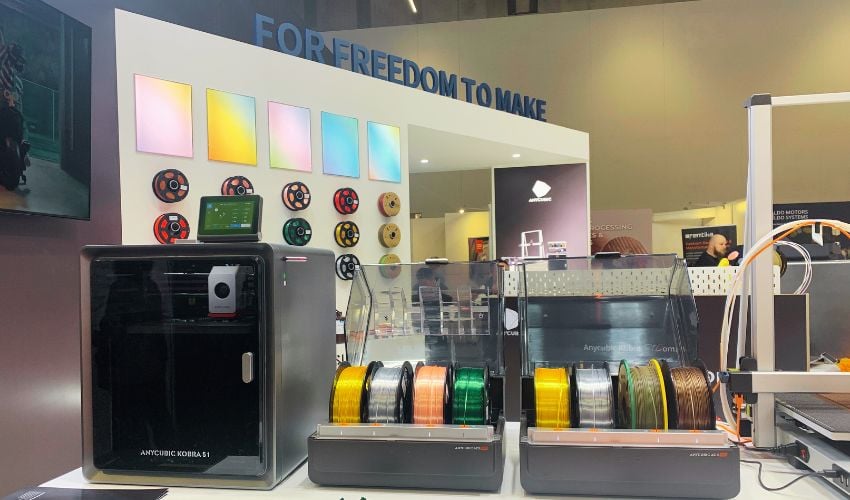 NewsAnycubic Introduces Multi-Material FDM and High-Precision Resin Systems at FormnextAs you know, Formnext is the perfect opportunity for exhibitors to showcase their latest products, whether they be machines, materials, software, or strategic partnerships to promote the adoption of additive manufacturing. Once again, this year, machine manufacturers turned out i