News
H (Earring); the 3D printed hearing aid jewellery
When it comes to relieving the daily lives of people with disabilities, 3D technologies can be useful. It offer the possibility of creating products adapted to each individual and sometimes to completely unpack the person concerned. In any case, this is the feeling…
- 3 min read
- News
- Six more stories
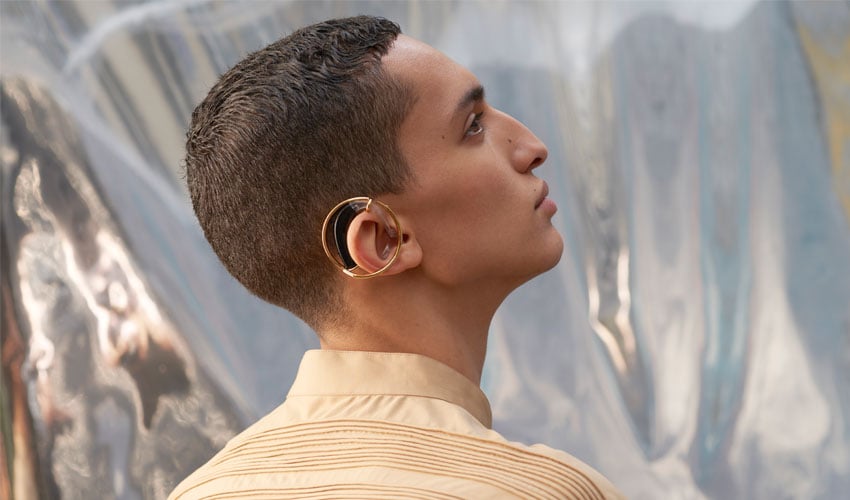
When it comes to relieving the daily lives of people with disabilities, 3D technologies can be useful. It offer the possibility of creating products adapted to each individual and sometimes to completely unpack the person concerned. In any case, this is the feeling of Kate, a hearing-impaired photographer who has been wearing hearing aids for over 25 years. She used two designers, Flora and Julia, to create a collection of jewellery to hang on these devices. The audioprosthesis is then much more aesthetic and the handicap more erased. The collection, named H (Earring) won the Swarovski accessory prize at the 33rd international festival of fashion, photography and accessories of Hyères. We met Kate, Flora and Julie to learn more about their common project.
3DN: Can you introduce yourself and your link to 3D printing?
Hello, I’m Kate and I’m a photographer, with hard of hearing. I asked Flora and Julia to make a collection of hearing aid jewellery for the hearing impaired. A project that is particularly close to my heart.
And we are Flora and Julia (F & J). We are a Paris-based design duo, FandD studio. Our practice is interdisciplinary and leads us to work on projects in product design, accessories and scenography. When Kate offered us this collaboration, we were very excited about the social impact of such a project. Her optimism is part of a global movement of self-acceptance and individuality that characterises our generation. It is also the opportunity to bring together three worlds: medicine, technology and fashion.
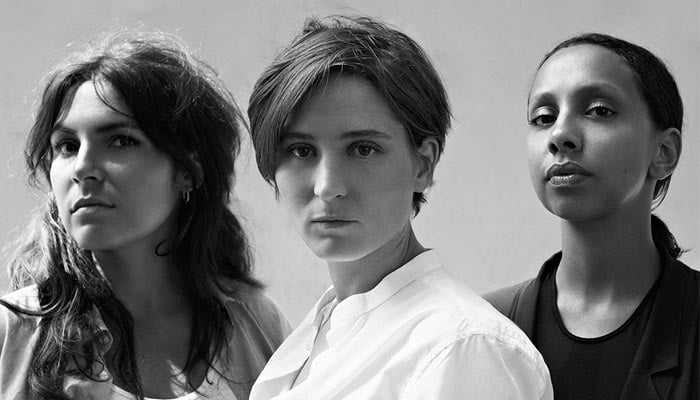
Kate, Flora and Julia
This collection is a real technical challenge, which involves understanding a prosthesis with miniature dimensions and complex curves. That’s why we used 3D scanning. This one allowed us to understand the prosthesis and to model with precision the jewellery intended to be attached to it. Fastening systems have been the subject of special attention and vary from one jewel to another.
More from the desk
Six other notes from the rest of the bench.
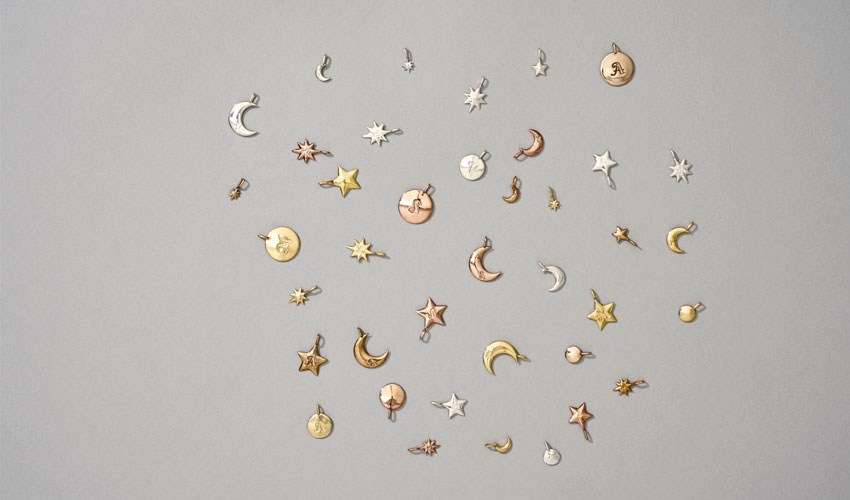 NewsSpring and Wonder: Tailor-made, 3D printed jewelryThe growth of the Shapeways 3D printing service has accelerated since its inception; After several successful fundraisers, the US has announced a range of new services including the production of personalized jewelry designs. Called Spring & Wonder, the jewelry range…
 NewsPrint your Favorite Heroes at Home with Toybox and Warner Bros.Toybox Labs is an American company that has developed an original concept for all ages, allowing users to 3D print toys directly at home, sharing many figurines, accessories or gadgets on a dedicated platform. And if we’re talking about it…
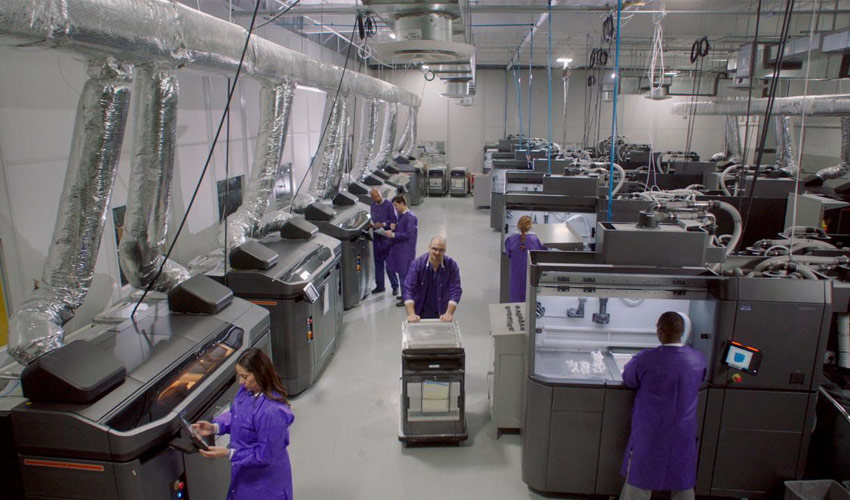 NewsHP and SmileDirectClub partner up to offer 3D printed mouth moldsAt Rapid +TCT in Detroit, HP announced a new partnership with SmileDirectClub, an American manufacturer of braces. The company will use 49 HP Multi Jet Fusion 3D printing solutions to create more than 50,000 molds per day. An impressive production…
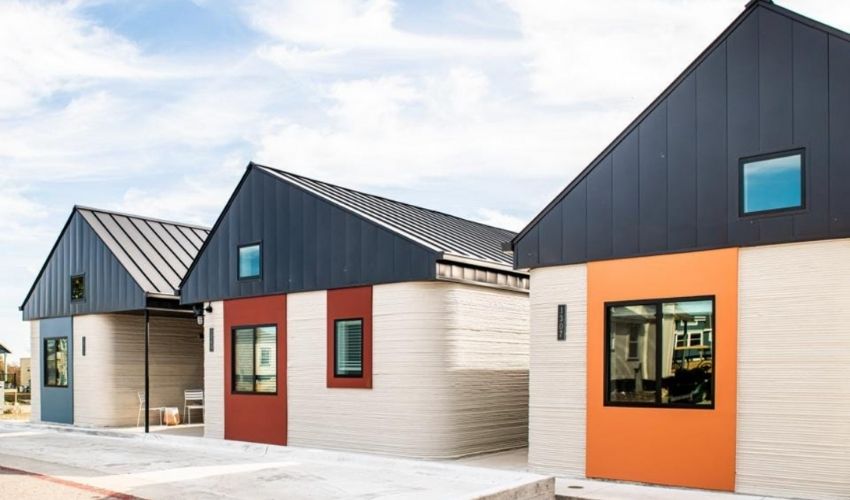 NewsICON Raised $207 million in Series B Round Led by Norwest Venture PartnersTexas-based startup ICON took the 3D printing industry by storm in March 2018 at SXSW in Austin, presenting the first permitted 3D-printed home in the United States, which took about 48 hours to print—a fraction of the traditional construction time.…
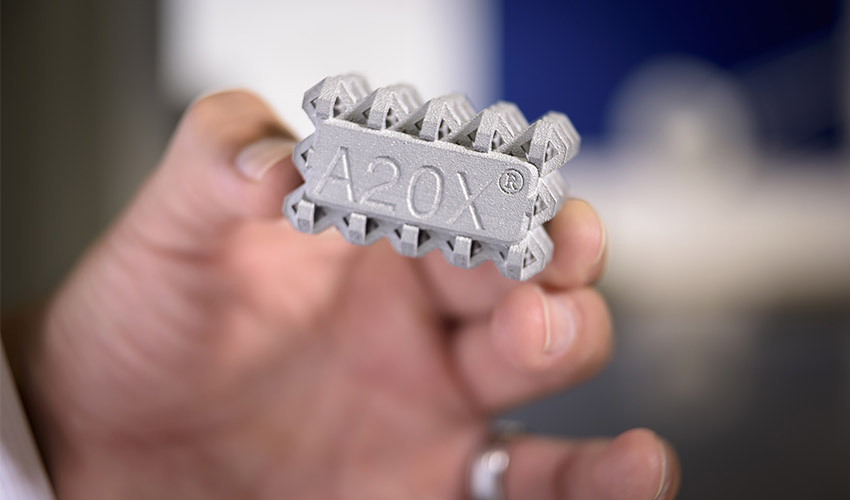 MaterialsA20X is the strongest aluminium powder for additive manufacturingAeromet has reported that its A20X patented aluminium alloy for casting and additive manufacturing has surpassed the 500 MPa UTS (Ultimate Tensile Strength) mark, meaning that it is possibly the strongest aluminium powder for additive manufacturing commercially available today. T
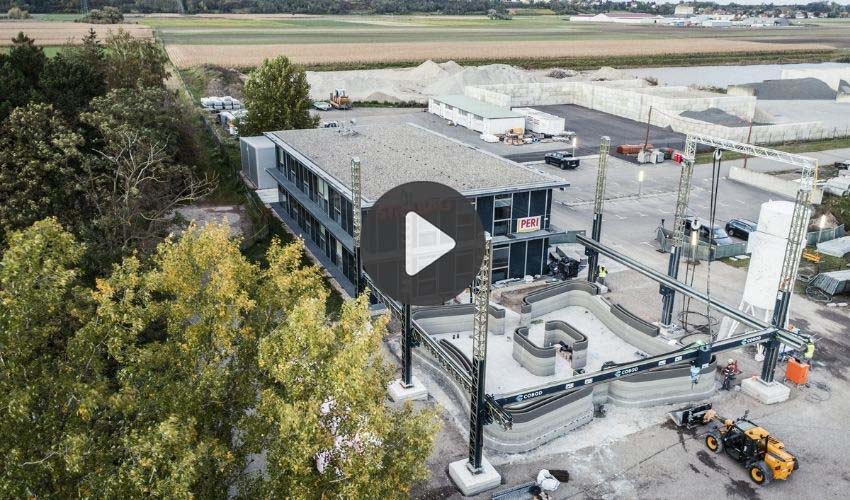 NewsTop 5 Videos: The Biggest 3D-Printed Office Space in EuropeThis week, we invite you to the largest 3D-printed office space in Europe. This new construction is located in Austria. Construction and architecture companies PERI, STRABAG, and COBOD collaboratively built this massive 3D printing feat. Then, 3Dnatives brings you back…