Guides
How to Enhance Traceability in Additive Manufacturing by Integrating Digital Product Passports
One of the biggest benefits of digital manufacturing is the ability to more easily trace parts throughout their lifetime. Product traceability is critical when it comes to quality control, regulatory compliance and supply chain transparency. However, it can be hard…
- 3 min read
- Guides
- Six more stories
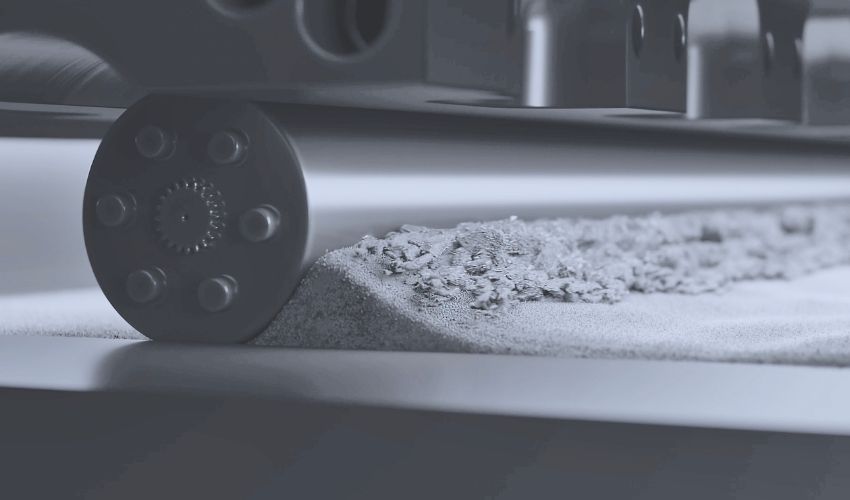
One of the biggest benefits of digital manufacturing is the ability to more easily trace parts throughout their lifetime. Product traceability is critical when it comes to quality control, regulatory compliance and supply chain transparency. However, it can be hard for users to know how to take advantage of this and have a truly secure and verifiable record of a part’s lifecycle. That is why we sat down with Henrik Peiss and Dr. Ulrich Jahnke to talk about how digital product passports can be integrated into Desktop Metal’s additive manufacturing technology, binder jetting, for real-time tracking data. We discuss how this approach enhances authenticity, streamline certification processes, and paves the way for widespread industry adoption.
3DN: Could you tell us about yourself?
HP: I am Henrik Peiss, I have been working for Desktop Metal – based in Germany – since 2021 as the EMEA Application Team Lead and Sales & Technical Manager for DACH & Eastern Europe region. I have a mechanical engineering background and have worked the last 13 years worldwide in multiple roles in the additive manufacturing industry.

Dr. Ulrich Jahnke (left) and Henrik Peiss (right)
UJ: My name is Dr. Ulrich Jahnke. I have over 15 years of experience in 3D printing and the entire additive manufacturing process chain, allowing me to cultivate a deep expertise in this dynamic field. My academic journey began with a degree in engineering informatics, followed by research activities at Paderborn University, specifically within the Direct Manufacturing Research Center (DMRC).
More from the desk
Six other notes from the rest of the bench.
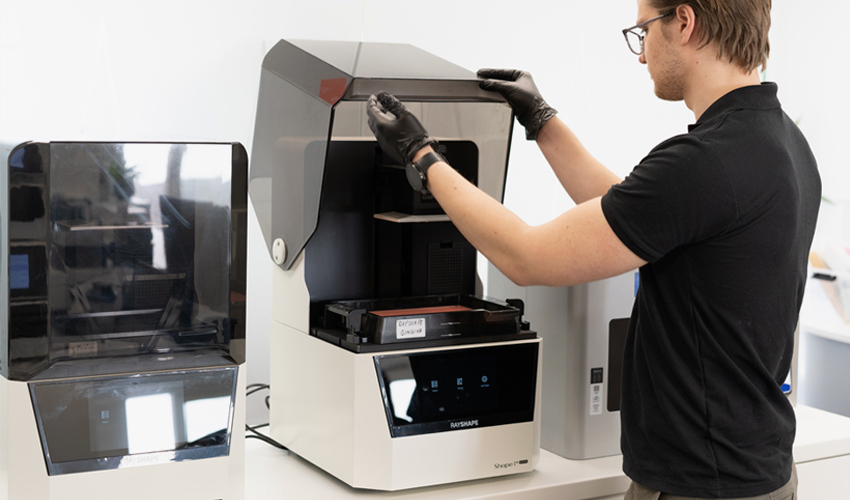 GuidesRAYSHAPE Talks its Continued International Expansion and Resin 3D PrintingSince its creation in the 1980s, resin 3D printing has experienced significant growth worldwide. The technology continues to advance rapidly, enabling the manufacture of prototypes and end-use parts that are remarkable for their precision and high level of detail. One…
 Guides#Working3D: Six Questions for an Industrial DesignerIn our #Working3D interview series, we tell you about exciting professions within the AM landscape. In this latest interview, we learned how exactly AM can be used in product design. To do this, we spoke to Alex Kimber, industrial designer…
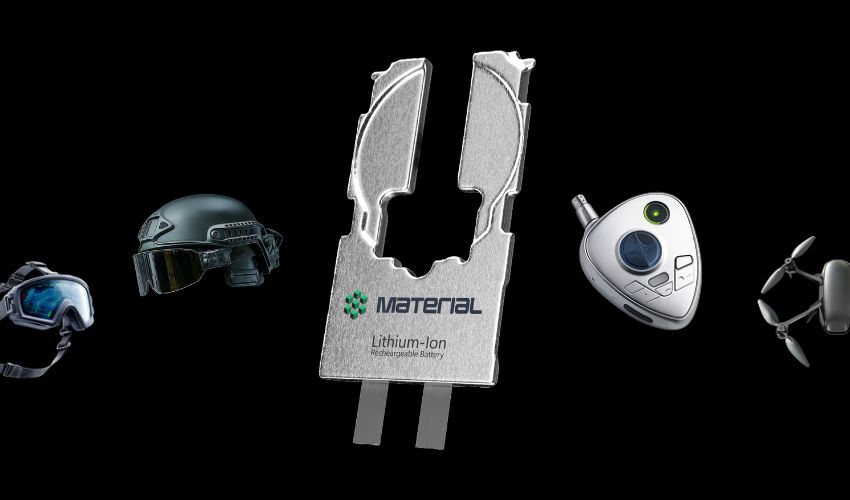 Guides#3DStartup: MATERIAL’s 3D Printed Batteries Could Change the Way We Build DevicesFor decades, hardware design has been dictated by a stubborn reality: the battery is a block. Whether designing a drone or a smartphone, engineers have had to build around the rigid, heavy constraints of traditional cylindrical or prismatic cells, compromising…
 NewsThe First 3D-Printed Plastic House in the Southern HemisphereA house made of plastic? We’ll admit, it’s a rather surprising concept, especially at a time when society is trying to reduce plastic consumption. But in this case, the material being used is recycled plastic. So what exactly is this…
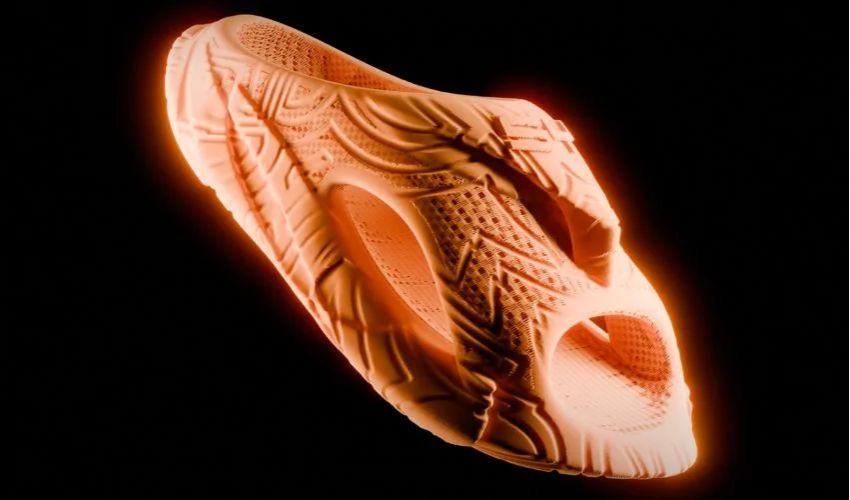 NewsSyntilay Puts 3D Printed, AI-Developed Shoes on the MarketFor several years, we have seen 3D printing for shoe production become a rising trend. Numerous sports shoes now have midsoles made by 3D printers and fashion shoes feature 3D printed elements. Complete footwear from the printer, on the other…
 NewsTop 5 Videos: Aerosint’s New And Innovative Powder RecoaterAnother Sunday means another Top 5 list of videos straight from the world of 3D printing! We start off this week’s top 5 with a video about Aerosint, a Belgian AM company that has developed a new 3D printing solution…