Guides
3D Printing Applications for People with Disabilities
Thanks to 3D printing, the daily lives of many people with disabilities have been improved. The technology enables the creation of objects and services that are easy to use and adapted to disability such as personalised wheelchairs, prostheses, orthoses, etc.…
- 3 min read
- Guides
- Six more stories
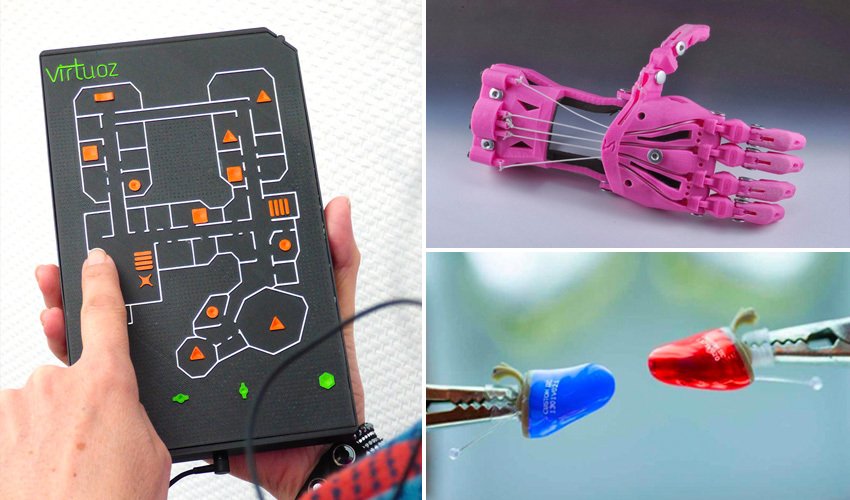
Thanks to 3D printing, the daily lives of many people with disabilities have been improved. The technology enables the creation of objects and services that are easy to use and adapted to disability such as personalised wheelchairs, prostheses, orthoses, etc. Above all, using additive manufacturing makes it easier, faster and cheaper to customize each device to its user. In some cases, it adds an important aesthetic component, changing the way we look at disability. Examples include children’s prostheses inspired by their favourite superheroes. As you will see, the applications for 3D printing in the disability field are becoming more and more numerous. Take a look at some of the innovative projects that we found!
3D Printed Prosthetics
The number of projects combining 3D printing and custom prostheses is increasing, and 3D technologies allow for the design of cheaper and more personalized devices on demand, all in a shorter time. Thanks to the democratization of the FDM process, more and more associations, companies and communities are offering 3D printed prostheses. One example is e-NABLE, which brings together makers from all over the world. They 3D print prosthetic hands for free for people in need, most often for children.
More from the desk
Six other notes from the rest of the bench.
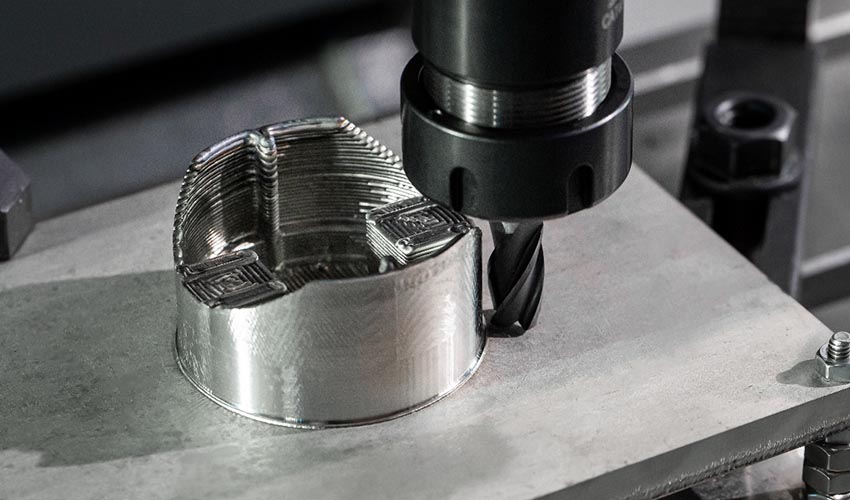 PrintersMELTIO launches 3D printing toolhead to enable hybrid manufacturingMELTIO officially presented the new version of the MELTIO Engine, a fabrication module which enables 3D printing of full density metal parts when integrated with CNC machines, robots and gantry systems. The result is the first affordable hybrid manufacturing solution,…
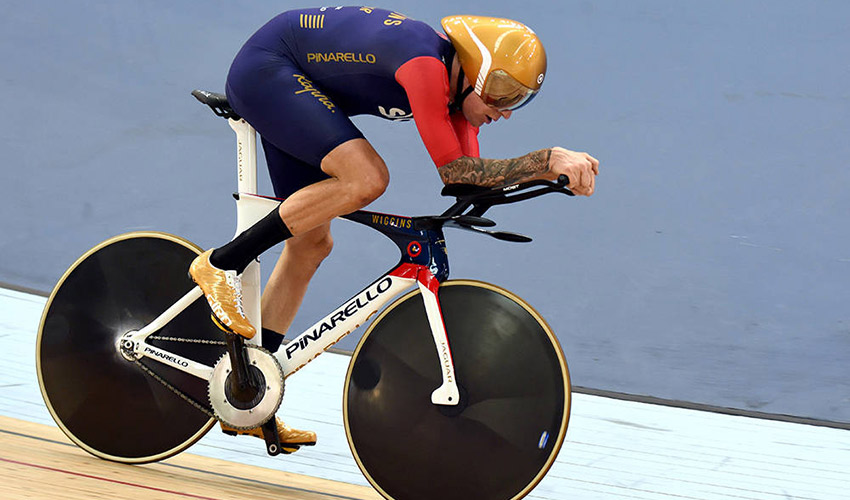 News3D Printing in Sport: Feature StoryAdditive manufacturing is taking over almost all production sectors. 3D printing reduces manufacturing time, lowers costs and allows for more customisation. These benefits are gradually becoming understood by the sports sector with the adoption of innovative equipment to break ne
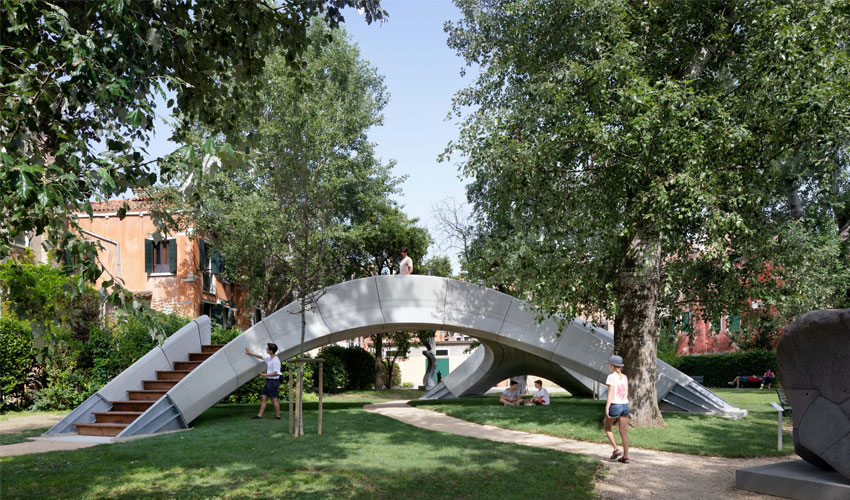 NewsStriatus, The First 3D Printed Bridge Made From Unreinforced ConcreteArchitects and engineers from ETH Zurich, in collaboration with Zaha Hadid Architects and Incremental3D, among others, have designed a 3D printed bridge made of unreinforced concrete. The 12 x 16-meter arched bridge is being installed in a park in Venice…
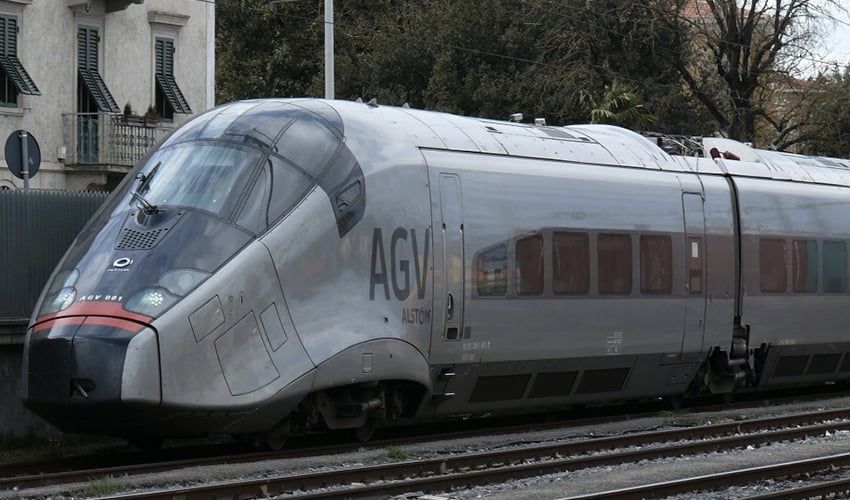 ApplicationsAlstom Turns to 3D Printing to Design Parts for High-Speed TrainsAlstom is a French multinational company that provides sustainable mobility solutions for high-speed trains. One of the company’s fleets, which had been in operation for 10 years, was beginning to deteriorate and was at risk of becoming a safety hazard.…
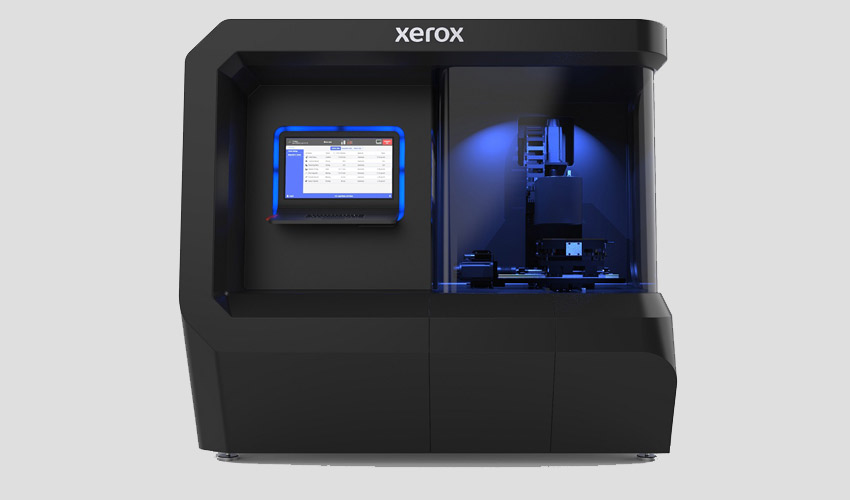 NewsU.S. Navy to use Xerox’s newly-launched 3D printer, ElemXLast year, Xerox announced the acquisition of startup Vader Systems, which specializes in liquid metal additive manufacturing. It clearly stated the ambition to enter the 3D market, convinced of the technology’s potential. One year later, Xerox has introduced its first&hell
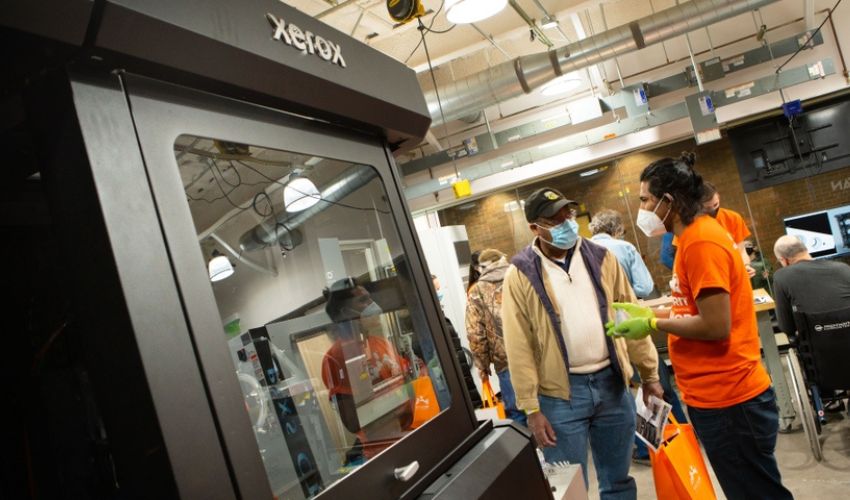 NewsXerox Officially Sells Elem Additive SolutionsIt has been a tumultuous year so far in the 3D printing world. There have been constant discussions of potential mergers and acquisition, for example the uncertainty surrounding Stratasys with Desktop Metal, Nano Dimension (though it has officially pulled out…