Materials
Technical Ceramics in Additive Manufacturing
Technical ceramics, as opposed to artisanal or artistic ceramics, are materials that have been used for centuries in many industrial sectors. They are renowned for their temperature resistance, hardness and mechanical properties. In the additive manufacturing sector, ceramics are
- 3 min read
- Materials
- Six more stories
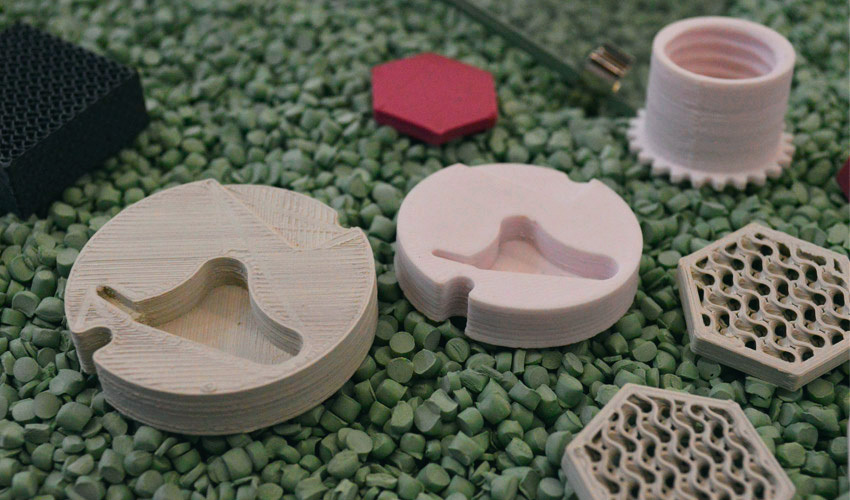
Technical ceramics, as opposed to artisanal or artistic ceramics, are materials that have been used for centuries in many industrial sectors. They are renowned for their temperature resistance, hardness and mechanical properties. In the additive manufacturing sector, ceramics are less popular than polymers or metals and remain a niche market, although 3D technologies are a particularly interesting fit for the materials. Indeed, due to their characteristics, technical ceramics are difficult materials to shape and additive manufacturing represents a relevant alternative in the creation of complex geometries. Currently compatible with photopolymerization, powder bed and extrusion processes, ceramics offer multiple advantages to manufacturers, laboratories and research centers. Among them, the Research Center of the Belgian Ceramic Industry (CRIBC), which has relied on several 3D printing processes, including that of the French manufacturer Pollen AM.
For the past twenty years, CRIBC has invested in additive manufacturing to be able to manufacture parts with complex geometries. Indeed, technical ceramics are fragile and refractory materials and therefore intrinsically difficult to shape. When it comes to creating complex geometries using conventional processes, lead times are extended and the cost of a part is strongly impacted. The promise of additive manufacturing lies precisely in overcoming this pitfall: to offer complex geometries while preserving the properties of ceramics, whatever the material used.
Ceramics are difficult materials to shape. Thanks to additive manufacturing, complex geometries can be imagined (photo credits: 3Dnatives)
Technical Ceramics on the Market
There is currently a very diverse range of technical ceramics that can meet various markets and needs. The family most used in additive manufacturing is undoubtedly oxidized ceramics which, as their name indicates, are composed of metal oxide such as alumina or zirconia. They are used in the medical sector for to make bone implants as well as in the field of watchmaking. Next come the non-oxidized ceramics with nitride materials that combine good mechanical performance and temperature resistance, and carbides that are excessively hard and often used for their tribological resistance. Silicon carbide, for example, is three times harder than steel.
More from the desk
Six other notes from the rest of the bench.
 NewsTop 5 videos: 3D printed steak and moreThis week we found the top 5 videos about 3D printing and the way additive manufacturing is changing production. The technology has infiltrated many sectors, from medical to automotive – check our selection of the week to keep up with the innovations! If you enjoy these, you&hell
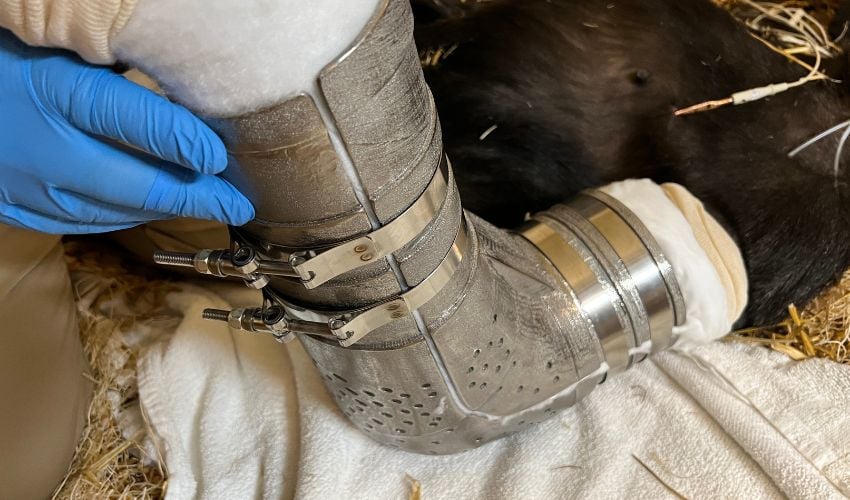 ApplicationsGorilla Receives World’s First, 3D Printed Titanium Cast to Heal Broken ArmWe all know about additive manufacturing’s benefits when it comes to creating prosthetics and orthotics for human beings, but what about one of humanity’s closest living relatives (after chimpanzees and bonobos)? Well, for at least one primate, it seems that…
 NewsWEBINAR: How to Optimize Cost Using An Open Architecture SLS System?It is consistently found that cost savings is one of the most popular reasons for adoption of 3D printing technologies. Indeed, in the Hubs Report 2023, 83% of respondents noted that 3D printing helped save substantial costs in their manufacturing…
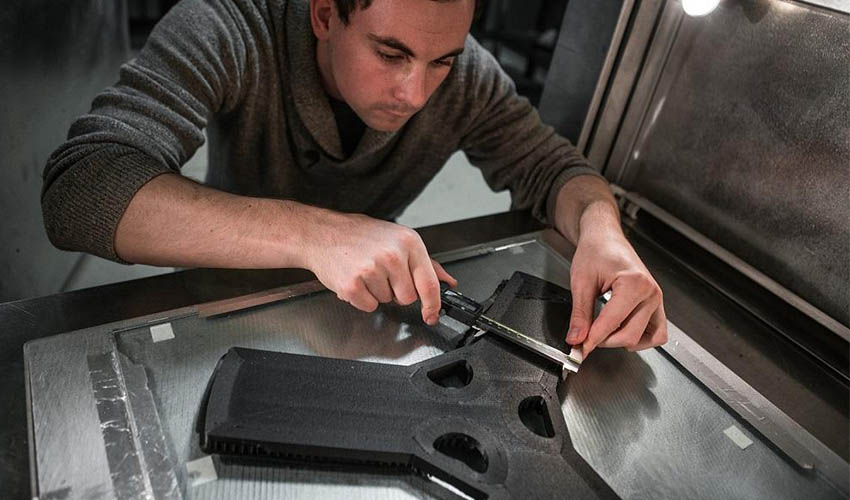 PrintersEssentium announced business expansion initiativesEssentium Inc. has announced a series of business expansion initiatives in response to growing market demand for the company’s platform of industrial-scale additive manufacturing solutions. The company’s High Speed Extrusion (HSE) 180 S 3D printing platform is designed to enable&
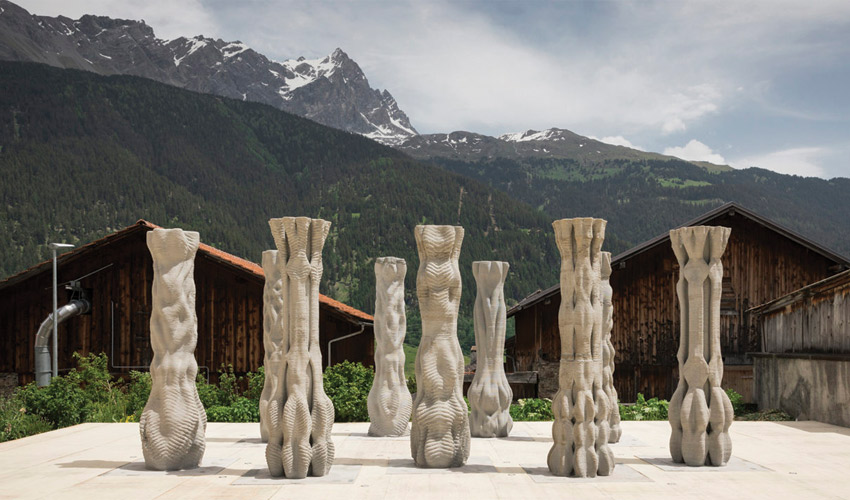 NewsConcrete Choreography are 9 unique 3D printed columnsStudents at ETH Zurich once again presented an innovative project surrounding 3D printing technologies. This time they mixed architecture and new technologies to design 3D printed concrete columns. Nine structures, 2.7 meters (8.9 ft) high were designed for the Origen festival&he
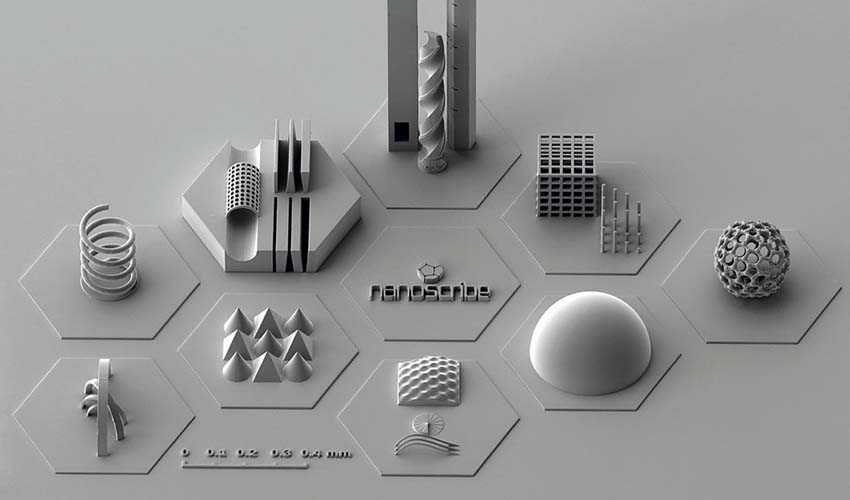 NewsNanoscribe showcases its nano 3D printing capabilitiesNanoscribe set out to rethink microfabrication when it integrated its two-photon polymerization (2PP) technology in 3D printers to enable nano, micro and mesoscale fabrication back in 2007. Today, it counts customers in over 30 countries worldwide, in science and in…