News
See3D; Brings sight to the visually impaired with 3D printing
3D printing has in many ways helped people and the development in various areas. From the implementation in different education systems to how it has helped in developing the medical sector. One organisation that has found a way to help people…
- 3 min read
- News
- Six more stories
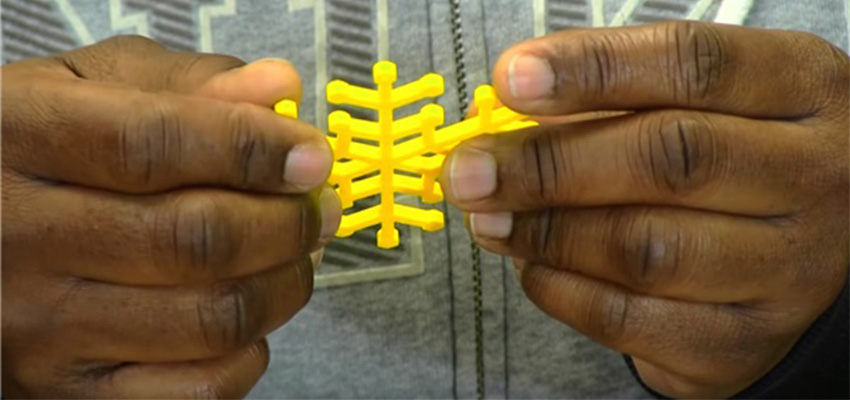
3D printing has in many ways helped people and the development in various areas. From the implementation in different education systems to how it has helped in developing the medical sector. One organisation that has found a way to help people directly through 3D printing is See3D. Based on the fact that blind people don’t get the opportunity to see things in the traditional way. This organisation uses the 3D technology to help the blind see various things by 3D printing them. Working on a voluntary and donate based platform. Its sole purpose; Bring people across all backgrounds closer together. Along with helping blind get a better understanding of what many of us take for granted. We got to talk with the young founder, Caroline Karbowski, to learn more about the initiative.
3DN: Can you please introduce yourself and explain how the idea of See3D came to be?
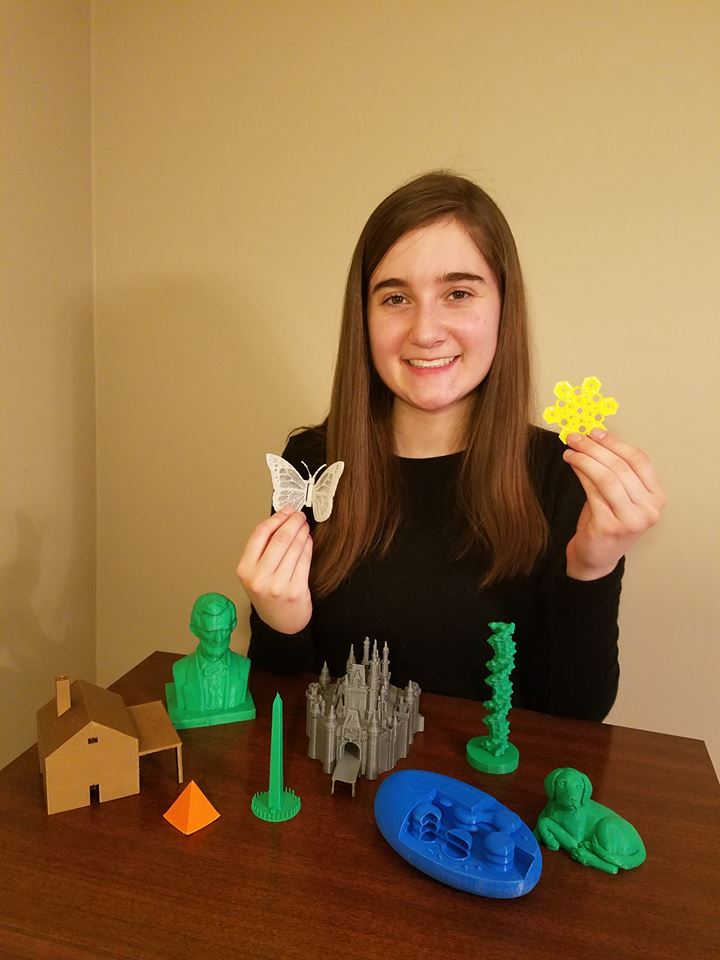
Caroline holds a snowflake (corner_case), and a butterfly (mathgrrl). On the table are models of a house (Nick S./See3D), pyramid (bbennington), Abraham Lincoln bust (TheNewHobbyist), Washington Monument (adams00), castle (gluetolf), chloroplast (xILx), DNA (mtdna), and dog (MustangDave).
My name is Caroline Karbowski, and I am from Cincinnati, Ohio, USA. I am currently a first-year student at The Ohio State University. When I was in 6th grade, I decided to teach myself braille, so I could read books in the car without getting dizzy. While I was learning braille, I came across an article about how 3D printing could be used to make telescope and microscope images tactile, so people who are blind could make their own observations. I decided I could help by 3D printing models and adding braille labels.
However, I didn’t know anyone who was blind who wanted a model, and I didn’t have access to a 3D printer. In high school, we had 3D printers. I realized that many people wanted to print objects because the printers were so fascinating, but they were not sure what to print. We also had a lot of leftover filament from student projects. I thought, “What if we printed models for people who are blind?” and decided to make that the basis for a project to present at TechOlympics, a student-run technology conference in Cincinnati for high school students ( https://techolympics.org/ ).
More from the desk
Six other notes from the rest of the bench.
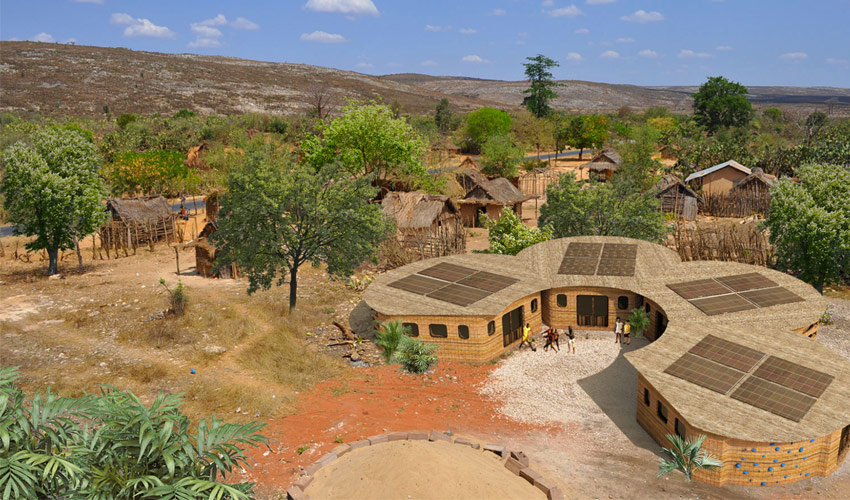 GuidesThinking Huts Relies on 3D Printing to Increase Access to EducationThinking Huts is an association that seeks to promote access to education through 3D technologies. By 3D printing schools, it hopes to rapidly multiply the number of available infrastructures, as well as seeking to create jobs locally while promoting more…
 Printers3Dnatives report: The most popular 3D printersThe 3Dnatives Comparator lists hundreds of 3D printers that range from Desktop and RepRap/kit printers to professional and industrial ones. Our Comparator includes a range of models that are based on various processes such as filament filtration and powder sintering,…
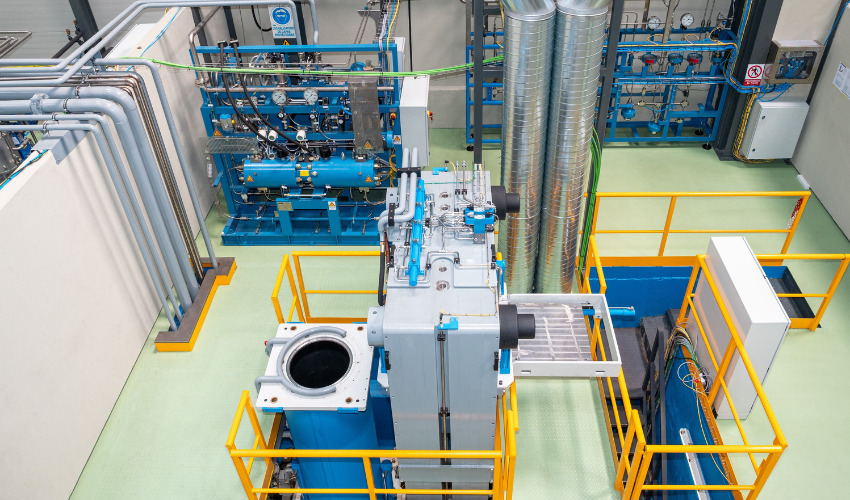 NewsHiperbaric and Aenium Team Up to Show Benefits of Hot Isostatic Pressing (HIP) Technology for Additive ManufacturingSpanish company, Hiperbaric has sealed an Industrial R&D Collaboration Alliance with Aenium, an engineering company specializing in AM technologies. Hiperbaric is a world leader in HPP (high pressure processing), a technology for preserving food and beverages by high hydrosta
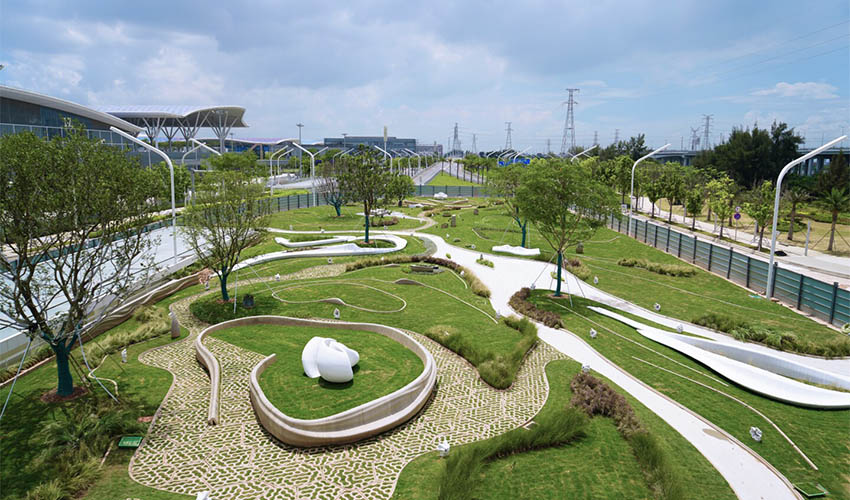 NewsThe First Park to be Built Using 3D Printing is in ChinaUsually when we talk about 3D printing and construction, it’s in relation to the now numerous buildings made with 3D printed walls. Between houses, stores, offices and even schools, there are countless initiatives mixing 3D printing and the building sector.…
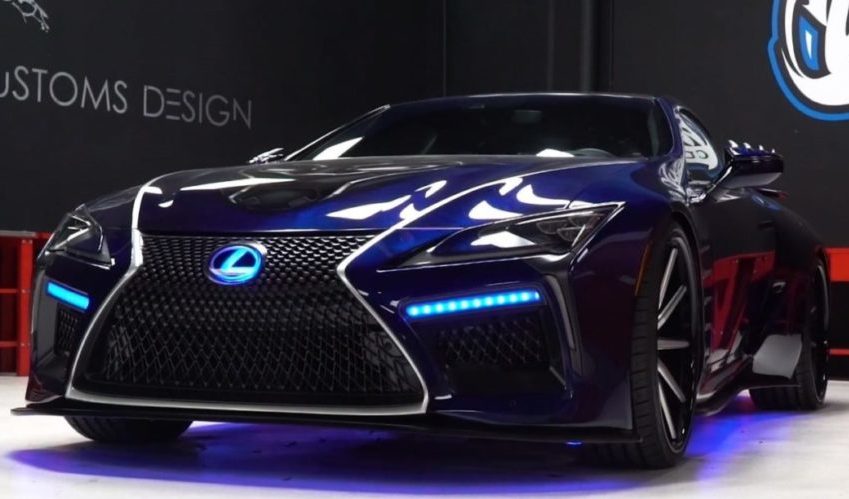 PrintersIconic Black Panther 2 Car Designed Using 3D ScanningWest Coast Customs (WCC) have turned to 3D scanning solutions from Artec 3D to customize a Lexus LC 500 for Black Panther 2, scheduled for release on July 8, 2022. After scanning numerous components of the vehicle and earning approval…
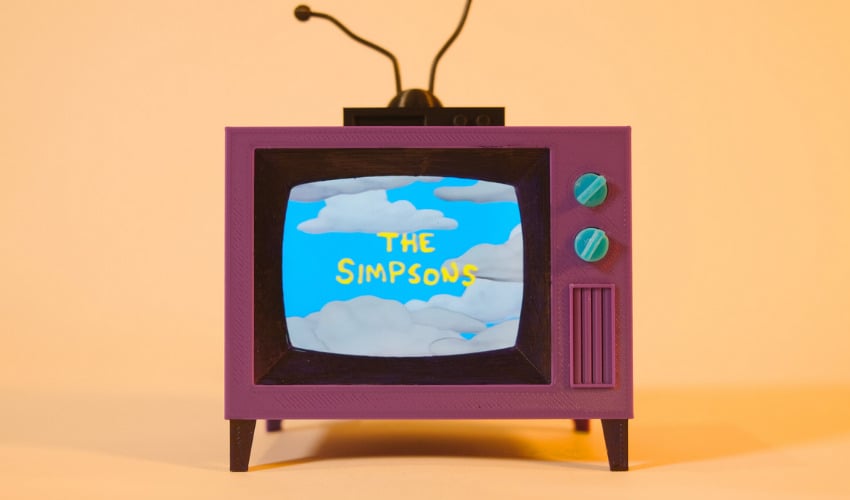 NewsHow to Build a 3D-Printed Mini TV That Broadcasts Episodes of The SimpsonsAlthough it may be difficult to believe, this maker project is not science fiction. Reddit user Brandon Withrow, has combined 3D printing and Raspberry Pi to create a 3D printed mini TV capable of playing the first 11 seasons of…