News
Insight into the lungs of a COVID-19 patient with 3D printing
As we emerge from the first wave of the COVID-19 global pandemic, researchers and scientists around the world are still trying to understand this disease. Today, doctors have warned that COVID-19 survivors could face long-term treatment as the virus often…
- 3 min read
- News
- Six more stories
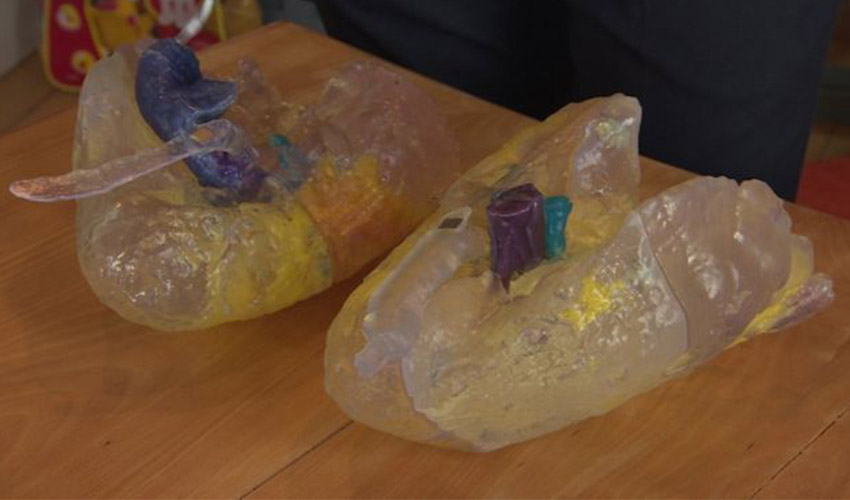
As we emerge from the first wave of the COVID-19 global pandemic, researchers and scientists around the world are still trying to understand this disease. Today, doctors have warned that COVID-19 survivors could face long-term treatment as the virus often causes pneumonia, which can lead to the lungs being critically damaged. Helping doctors understand the effects of this virus is therefore key to offering patients the best treatment pathway. Axial3D, a medical technology company working with 3D printing technologies is playing its part in helping doctors understand the effects of the virus.
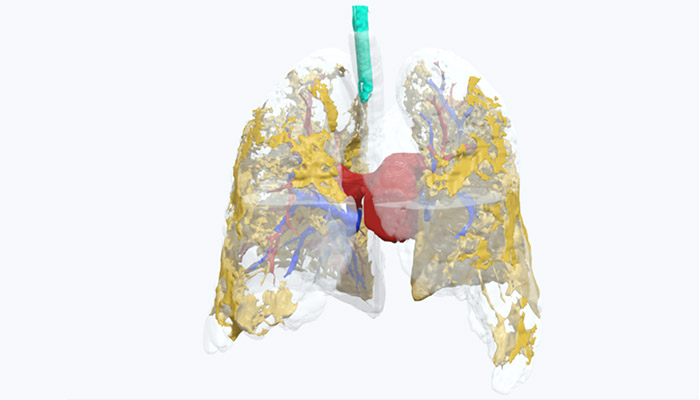
Working with the respiratory team at the Belfast Health and Social Care Trust, Axial3D produced a precision 1:1 scale 3D model of an actual COVID-19 patient’s lungs. The company used CT scans taken on day 14 of infection to reproduce the model. Once the model existed, the team used Formlabs’ SLA technology to produce this scale model on the Form 3 3D printer. They printed the lungs in 8 parts, which were then joined together with precision placed magnets. They explain that splitting the model enables to provide a range of views of just how deep the infection is, delivering unique insights into the virus and how it affects the patient’s lung.
In the medical sector 3D printing technologies can be used in a range of applications. From the creation of custom-made medical devices such as prosthetics and orthotics, to anatomical models, the technology enables the creation of precise and patient-specific models. This is the reason why Axial3D decided to integrate 3D printing, and specializes in making 3D printing accessible to the entire healthcare sector. In the case of COVID-19 patients, this sort of expertise can be of great help to the medical profession.
More from the desk
Six other notes from the rest of the bench.
 NewsTOP 5 videos of the week: 3D printing in medical advances and moreWe found the TOP 5 videos of the week related to 3D printing and additive manufacturing here. Share your videos and comment on the article below or on the 3Dnatives’ Facebook or Twitter account. Hope you’ll enjoy and have a…
 NewsCarbon Makes a 3D Printed Baseball GloveIn the sports world, Carbon has proven time and again that it can provide valuable services to this industry. For example, in partnership with Adidas, the American company helped create more than 100,000 pairs of FutureCraft 4D, a sneaker from…
 News3D Printing: A Summary of 20172017 was an eventful year in 3D printing and additive manufacturing. 3D printing startups received hundreds of millions of dollars in investments, announced intentions to build 3D printed supercars and flying cars, and well-established names like GE and HP made…
 News#3DOpinion | Is There Hope for the Additive Manufacturing Market in 2025?To a certain extent, doom and gloom characterized the additive manufacturing industry over the course of 2024. Between firings, bankruptcies, failed mergers and more, no one was feeling particularly optimistic about the 3D printing market. But could that be changing…
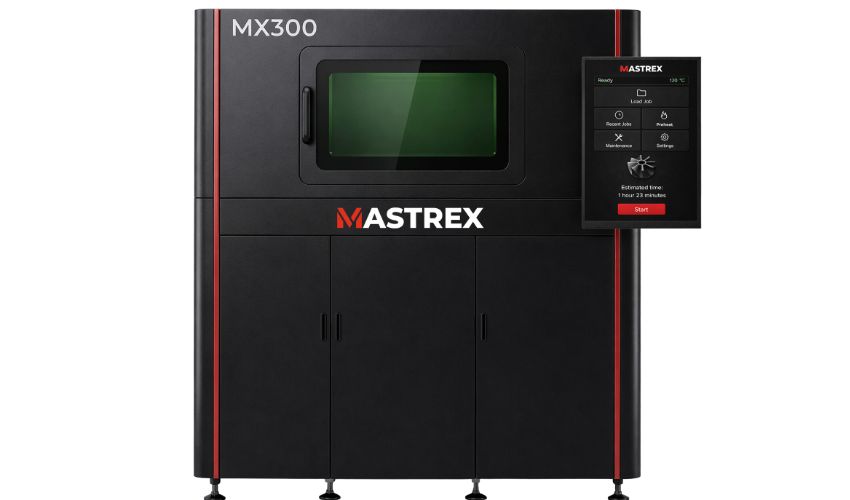 PrintersMastrex Expands Access to Metal AM With Affordable MX-Series LPBF SystemsMetal additive manufacturing has long been associated with high costs and complex infrastructure, keeping the technology out of reach for all but the largest industrial players. A new generation of manufacturers is now working to change that. Among them is…
 ApplicationsUW-Madison Engineers Achieve Zero Gravity 3D Printing of RAMStudent engineers at the University of Wisconsin-Madison have taken a giant leap toward self-sustaining space exploration by successfully 3D printing Random Access Memory (RAM) devices in zero gravity. This achievement, realized in March 2024, represents a significant advancement