News
SavorEat Partners With Sodexo to Distribute its 3D Printed Meat Alternative in American Universities
Israeli startup SavorEat, which specializes in developing alternatives to meat via 3D printing, has announced a partnership with Sodexo to offer gluten-free, kosher and vegan products to American universities. To be more precise, the American subsidiary of the multinational, Sode
- 3 min read
- News
- Six more stories
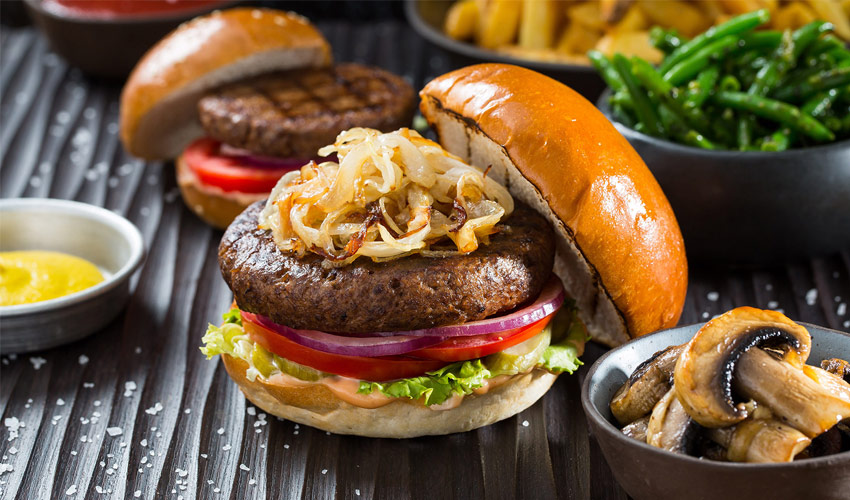
Israeli startup SavorEat, which specializes in developing alternatives to meat via 3D printing, has announced a partnership with Sodexo to offer gluten-free, kosher and vegan products to American universities. To be more precise, the American subsidiary of the multinational, Sodexo Operations, will offer SavorEat’s products to young students, who are increasingly sensitive to the contents of their plates. The startup’s goal is to strengthen its position in the U.S. market, test consumer expectations and see how their products are perceived. SavorEat designs an alternative to meat wherein it 3D prints various plant cells to reproduce the look and feel of an animal steak. Thanks to this partnership, it should be able to increase its notoriety and reach an audience that may be more sensitive to the consequences of slaughter and meat production.
For a few months, we have seen multiple initiatives develop around this idea of “3D printed meat“. Just look at the number of startups that have decided to position themselves on this niche. If we take the example of SavorEat, it is interesting to see that last December, the startup raised 42.6 million Shekel (about $13,212,866.69 USD) after its listing on the Tel Aviv Stock Exchange.
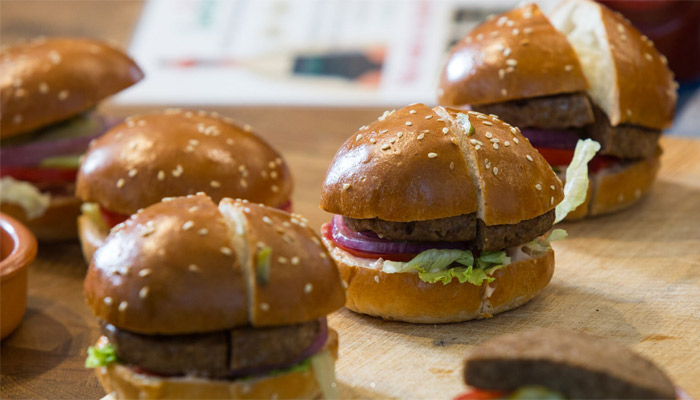
More and more companies are specializing in 3D printing of meat…without meat (photo credits: SavorEat)
SavorEat Aims to Conquer the United States
By working with Sodexo, SavorEat can target universities and a younger audience. Racheli Vizman, CEO of the Israeli startup, explained, “The younger population is much more open to food technologies, to innovation, and to change the way we consume food.” She even cited a survey that showed that half of young Americans (in their 20s) now consider themselves “flexitarians,” meaning they eat a mostly plant-based diet with occasional meat consumption.
More from the desk
Six other notes from the rest of the bench.
 NewsNano Dimensions Technologies Ltd. announces patent for BioprintingYou may remember Nano Dimension from our interview we did with them not too long ago, but since our interview it looks like they have been hard at work to bring 3D printing to the next level through 3D Bioprinting.…
 NewsTop 5 Videos of the week: helping dogs run again, the Mooz, & more!This week’s Top 5 videos demonstrate some amazing technology, and some emotional victories. These vary from 3D printing helping blind children write their name, dogs being able to run again, and a printer that triples up as an engraver and…
 GuidesAddmio, an online platform to learn 3D printingWhile 3D printing is gradually taking hold in our businesses and industries, it is still a technology that is difficult to grasp. Specific skills are required to enter this market, whether in terms of materials, equipment or design. A number…
 NewsBlack Panther Movie Features 3D Printed Costume Parts3D printing in movies is an exciting application of the technology. Movie buffs will probably have seen Black Panther: Wakanda Forever’, already popular all over the world despite having hit the screens only a short time ago. If you have…
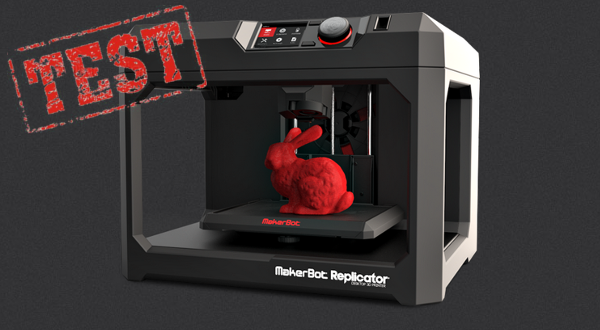 News3Dnatives Lab: Our Test of the Replicator 5GEveryone can agree that these are the days of the 3D era, which is one of the reasons why we love doing these test. It gives us an opportunity to check out this fascinating technology, and to help you in…
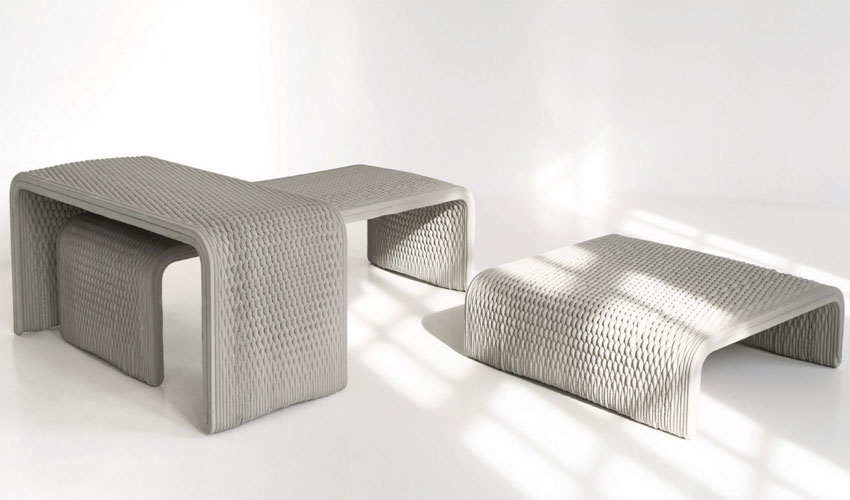 NewsXtreeE prints concrete 3D printed benches with complex patternsThe French Startup XtreeE – 3D Concrete Printing Specialist – is presenting one of his latest works in collaboration with Studio 7.5, a German design firm. Together, they created three 3D printed concrete benches, all with the same woven pattern. The…