News
Have Researchers Found Way to Make Stronger Sand Parts Using Binder Jetting?
Researchers from the Department of Energy’s Oak Ridge National Laboratory have created a new polymer that can be used to bind and strengthen silica sand for binder jetting. In their study, “Additive manufacturing of strong silica sand structures enabled by…
- 3 min read
- News
- Six more stories
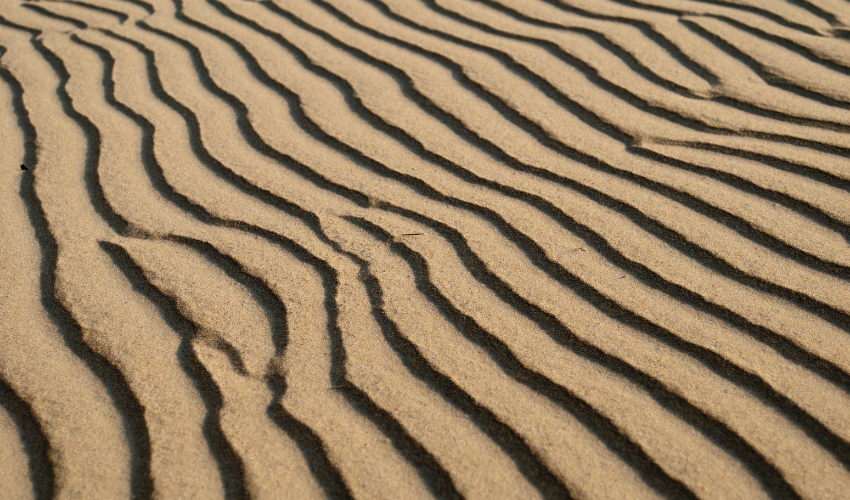
Researchers from the Department of Energy’s Oak Ridge National Laboratory have created a new polymer that can be used to bind and strengthen silica sand for binder jetting. In their study, “Additive manufacturing of strong silica sand structures enabled by polyethyleneimine binder,” by Gilmer et al., they found that thanks to this new binder, sand structures could be created that were significantly stronger than counterparts made with conventional binders, with one object holding 300 times its own weight. Indeed, the created binder was able to double the strength of parts.
This is one of many additive manufacturing projects that have come from the ORNL this year. Already, we have seen 3D printed fuel assembled brackers which were installed in a Nuclear Powder plant in Alabama as well as tests with ExOne, a leader in binder jetting technology, to create ceramic-metallic parts. This latest project continues to push the limits of binder jetting technology, though now in respect to sand.
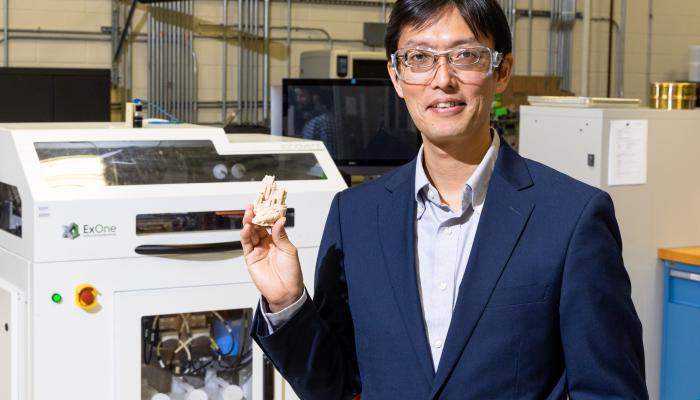
Tomonori Saito shows a 3D-printed sandcastle at the DOE Manufacturing Demonstration Facility at ORNL (photo credits: Carlos Jones/ORNL, U.S. Dept. of Energy)
A Stronger Sand for Binder Jetting
Though sand is a common material for binder jetting, it is not often used for end-use parts, with certain exceptions. In the study, the researchers point notably to the inability to form strong green parts, or the parts made before debinding and sintering, with conventional binders. The discovery of the polyethyleneimine (PEI) binder for silica sand could thus help to increase usage of binder jetting in more load-bearing parts. This is also important as binder jetting has increased in popularity as it is both cheaper and faster than many other 3D printing methods.
More from the desk
Six other notes from the rest of the bench.
 ApplicationsU.S. Soldiers Are Using 3D Printing to Build Battlefield-Ready DronesSoldiers from the U.S. Army’s 173rd Airborne Brigade are now taking battlefield adaptability into their own hands. After the Army retired the RQ-7B Shadow drone in March 2024, a team called Hawkeye Platoon, from the 1st Squadron, 91st Cavalry Regiment,…
 NewsTop 5 videos: 3D printing metal parts for the automotive industry, and moreThis week we found the top 5 videos about 3D printing and the way additive manufacturing is changing production. The technology has infiltrated many sectors, from medical to automotive – check our selection of the week to keep up with the innovations! If you enjoy these, you&hell
 NewsWEBINAR: Improving Investment Casting Processes With 3D Printed Stereolithography PatternsInvestment casting is one of the oldest metal-forming techniques that is still around today. Indeed, in 2021 it was estimated to be worth $15.83 billion by Grand View Research and is only expected to grow. Moreover, like all techniques, it…
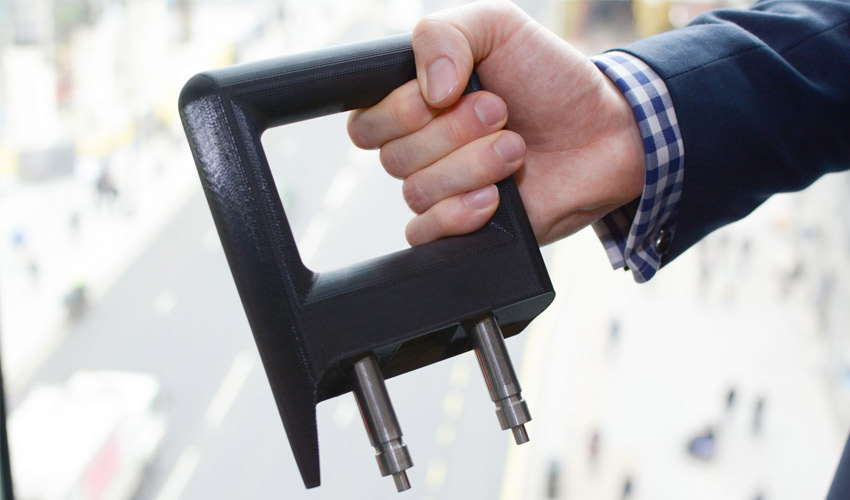 NewsAngel Trains and Stratasys; Collaboration developing railway additive manufacturingAngel Trains is one of the largest train hire specialists in Britain; They recently partnered with ESG Rail and the manufacturer Stratasys to 3D print certain interior components of their trains. This including certain spare parts establishing railway additive manufacturing. Toge
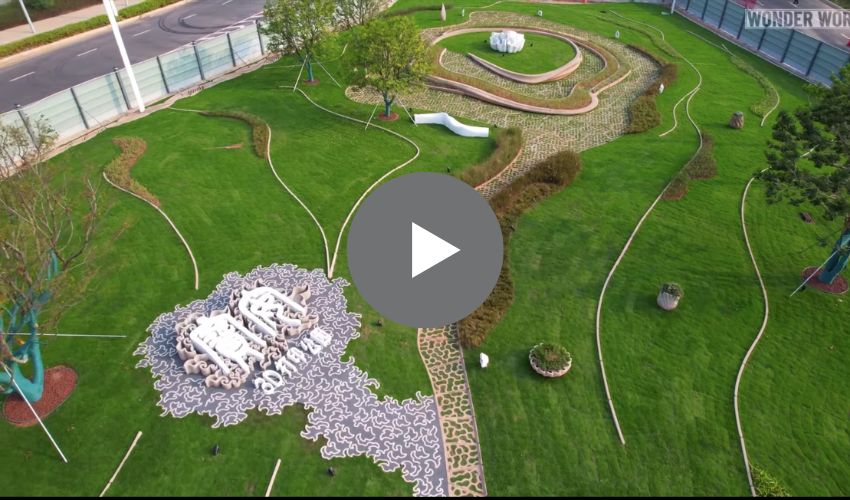 NewsTop 5: The World’s First 3D Printed Concrete ParkHello everybody and happy Sunday! We hope you are enjoying the end of October. For your top 5 videos this week, we have collated a list of some of the most exciting projects and talks, including the world’s first 3D…
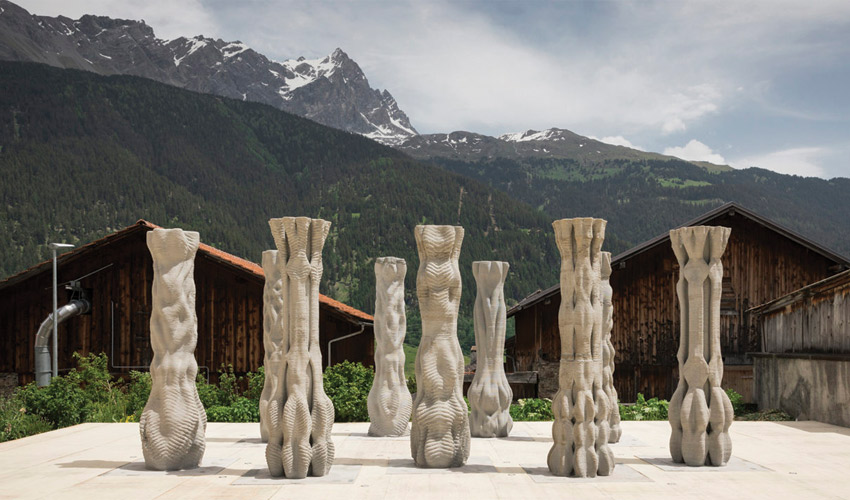 NewsConcrete Choreography are 9 unique 3D printed columnsStudents at ETH Zurich once again presented an innovative project surrounding 3D printing technologies. This time they mixed architecture and new technologies to design 3D printed concrete columns. Nine structures, 2.7 meters (8.9 ft) high were designed for the Origen festival&he