Applications
Researchers Have Successfully 3D Printed Hair Follicles
Hair is a tricky subject – always desired on the head where it thins out over the years while fought against and declared superfluous on other parts of the body for aesthetic reasons. In this respect, nature is more intelligent…
- 3 min read
- Applications
- Six more stories

Hair is a tricky subject – always desired on the head where it thins out over the years while fought against and declared superfluous on other parts of the body for aesthetic reasons. In this respect, nature is more intelligent than we may want to admit, because the fine hairs on the skin actually fulfill important tasks. For example, hair follicles produce sweat, help regulate body temperature and contain stem cells that promote skin healing. In addition, some medicines and cosmetics enter the body through the skin, which is why the hair follicles on the skin play a crucial role in dermatological tests.
Reconstructed skin models have been developed for such medical tests for decades, but there are still gaps in terms of their complexity and completeness. To date, no skin model has fully developed hair follicle units. However, the steady emergence of 3D bioprinting technologies could close this gap and create biologically and physiologically representative skin models that more closely resemble natural skin and are better suited for efficacy studies than currently available skin models. This is where a study by researchers at the Rensselaer Polytechnic Institute (RPI) comes in.

Until now, skin models from the laboratory have been incomplete and lack hair follicles (photo credits: Chanel)
The scientists, led by Dr. Pankaj Karande, Associate Professor of Chemical and Bioengineering, have succeeded in using 3D printing to incorporate hair follicles into human, lab-grown skin tissue for the first time. This first-of-its-kind example provides a glimpse of how 3D printing could pave the way for future drug testing and skin transplants. “Dr. Karande’s work is a great example of advances being made by RPI researchers at the interface of engineering and life sciences with impact on human health,” said Shekhar Garde, Ph.D., dean of the Rensselaer School of Engineering. “Bringing multichannel 3D printing to the biological realm is opening exciting opportunities that would have been hard to imagine in the past.”
More from the desk
Six other notes from the rest of the bench.
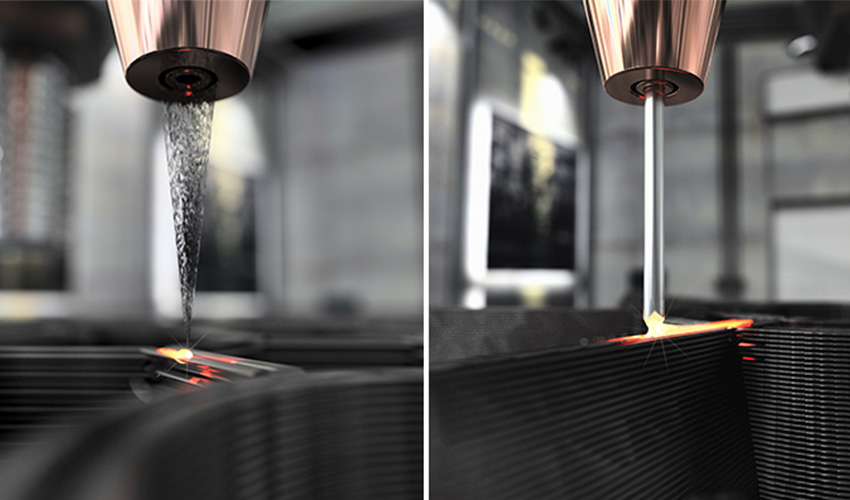 Printers3E Metal Deposition: Meltio’s new metal technology comes to FormnextA few weeks ago we introduced you to Meltio, the new actor in metal additive fabrication, who will showcase its new 3E Metal Deposition technology and M450 3D printer during the new edition of Formnext. The difference between Meltio’s 3D…
 GuidesUpprinting Food, Using Food Waste to 3D Print Sustainable MealsUpprinting Food is a startup that was developed in the Netherlands. Its main objective is to create 3D printed dishes from all kinds of food waste. Elzelinde van Doleweerd and Vita Broeken are behind this circular economy project that aims…
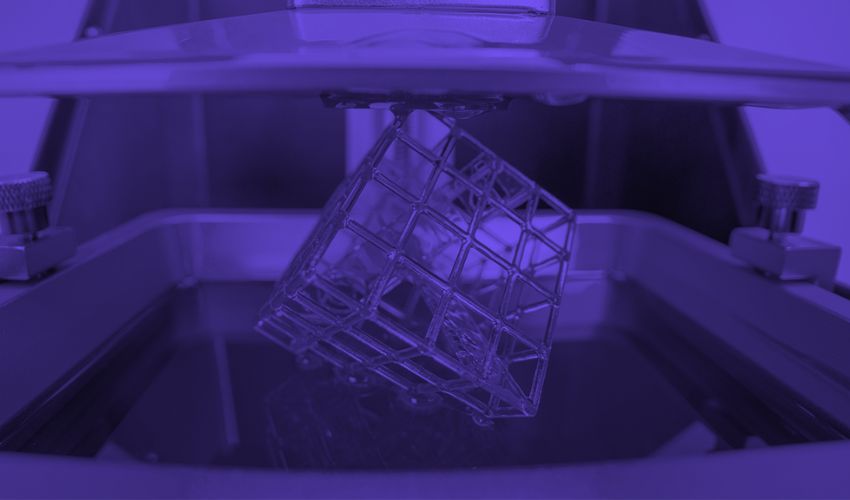 NewsADDITIV Polymers World Puts a Spotlight on the Plastics Sector in 3D PrintingAfter the success of our previous ADDITIV virtual events, which have brought together additive manufacturing professionals with key players in different industries, the leading virtual event platform for additive manufacturing is back once again. This time, join on October 5th&he
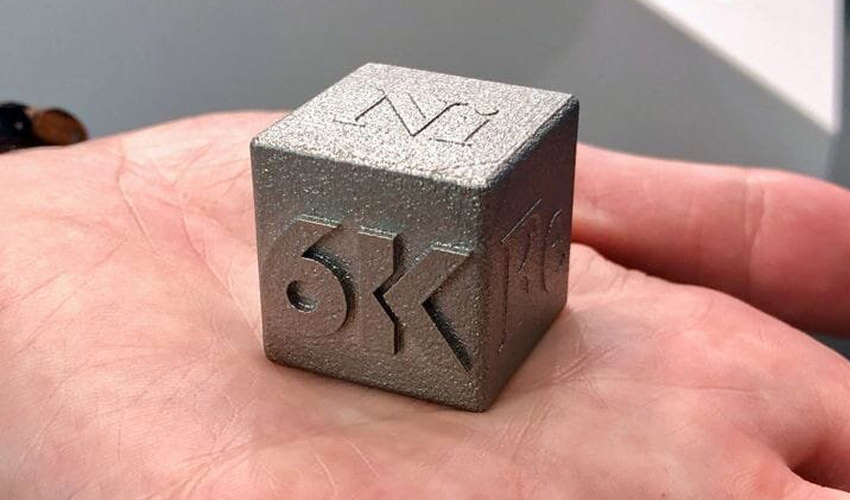 Materials#3Dstartup: 6K on creating advanced materials for additive manufacturingThe U.S. company 6K is focused on creating premium materials to advance relatively new industries such as additive manufacturing, renewable energy, and more. If we focus on additive manufacturing, the company has identified the growing demand for metals that can…
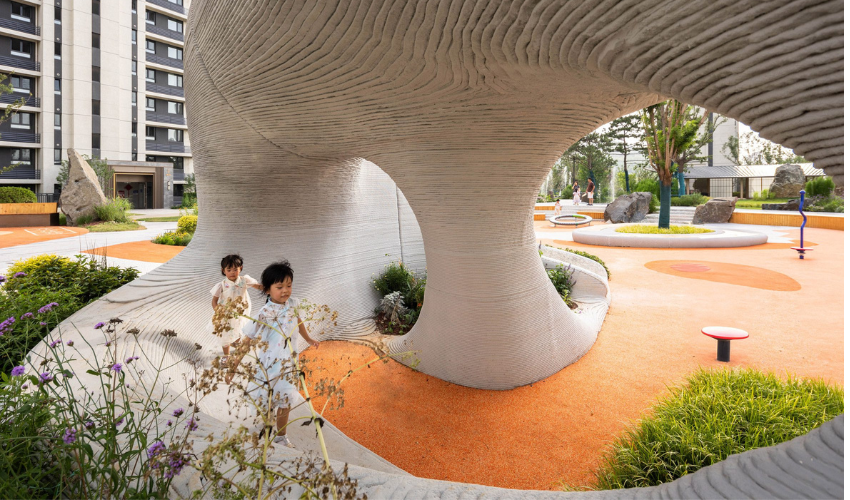 NewsBoulder Park in China Features 3D Printed Concrete PlayscapeXISUI Design, a creative studio from Shanghai, just introduced a new public project that showcases how 3D printing can reshape public spaces with the opening of Boulder Park in Jinan, Shandong province. The new playscape relies on three large 3D…
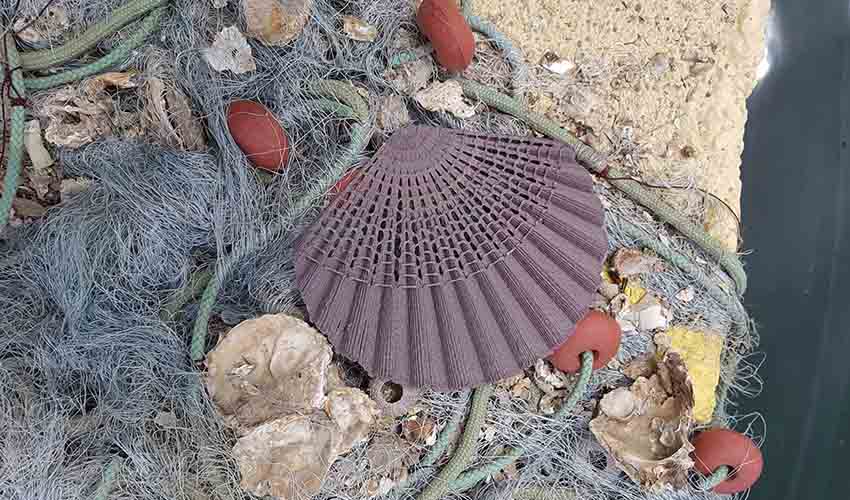 MaterialsSecond Nature: giving marine plastic a second life thanks to 3D printingSecond Nature is a new project from The New Raw that aims to raise awareness of the environmental issues of plastic pollution and the corresponding challenges of wildlife preservation caused by abandoned fishing nets. Once again, The New Raw is…