Applications
Purdue Propels Hypersonic Research with 3D Printed Scramjet Prototypes
As aerospace technology advances, Purdue University‘s research continues to push the boundaries of hypersonic travel. Leveraging cutting-edge 3D printing technology, researchers at the Purdue Applied Research Institute (PARI) have successfully produced fully functional supe
- 3 min read
- Applications
- Six more stories
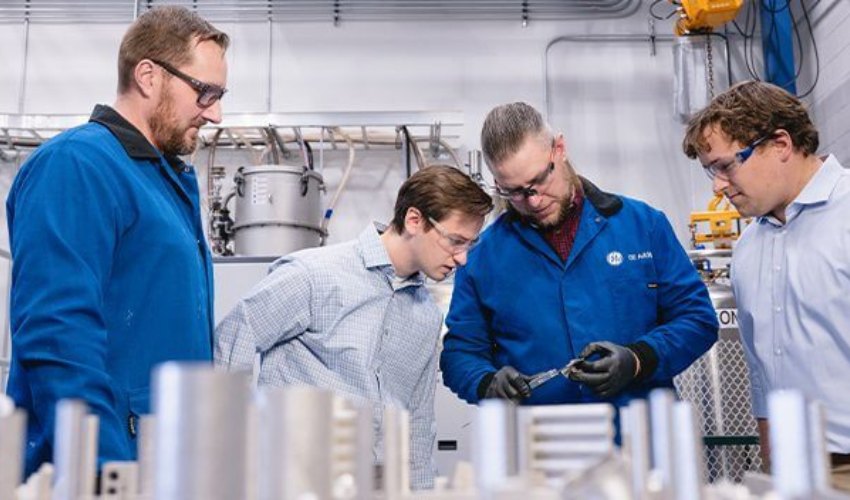
As aerospace technology advances, Purdue University‘s research continues to push the boundaries of hypersonic travel. Leveraging cutting-edge 3D printing technology, researchers at the Purdue Applied Research Institute (PARI) have successfully produced fully functional supersonic combustion ramjet (also known as scramjets) prototypes. These innovative and powerful engines have the potential to propel future aircraft at hypersonic speeds exceeding Mach 5.
Led by the Hypersonic Advanced Manufacturing Technology Center (HAMTC) at Purdue, this breakthrough signifies a monumental leap forward in the hypersonics industry. This is because the new scramjet design offers a cost-effective and time-saving approach to prototyping and manufacturing in the field.
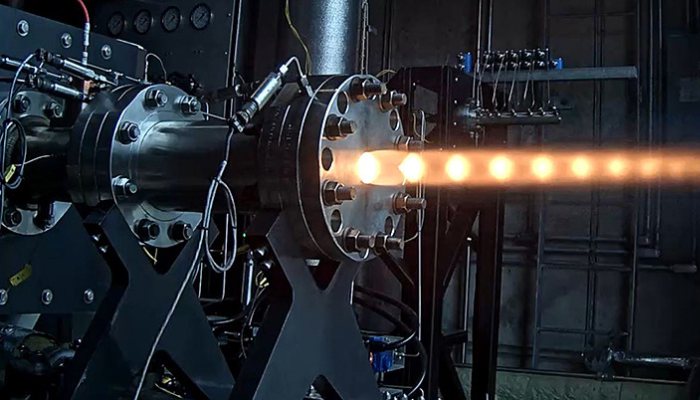
Scramjet at Purdue’s Maurice J. Zucrow Laboratories
Scramjets are crucial in the aerospace industry for their ability to sustain combustion at incredibly high speeds, allowing aircraft to travel beyond Mach 2. Obtaining this speed is often particularly challenging, and as described by Nick Strahan, HAMTC senior test engineer, the task is akin to “lighting a candle in a hurricane,” as flames need to be sustained at rapid velocity. However, with innovative combustor designs and efficient fuel combustion techniques, Purdue researchers have overcome these challenges with the scramjet, paving the way for unprecedented advancements in aerospace technology.
More from the desk
Six other notes from the rest of the bench.
 Guides#3Dstartup: CASTOR on unlocking the benefits of industrial 3D printingOur 3D startup of the month, CASTOR, comes from Israel and has developed a software solution to help manufacturers reduce their lead times and manufacturing costs in 3D printing. Its objective is to take advantage of all the benefits of…
 NewsFormnext Connect: what products are launching at the event?Formnext is undoubtedly the largest additive manufacturing event, bringing together players and users from all over the world every year to exchange and share the latest market innovations. The current context has obviously forced the organisers of the show to…
 Printers3Dnatives Lab: Testing the Artec Leo 3D ScannerOver the years, the manufacturer Artec 3D has made a name for itself in the professional 3D scanner market thanks to the success of its portable Eva and Spider models. More recently, the manufacturer has evolved its range with the…
 ApplicationsFirst Critical Submarine Component With 3D Printed Impeller to be Installed in U.S. Navy VesselThe U.S. Navy continues to show its interest in additive manufacturing, especially for its submarines. This time, Curtiss-Wright’s EMS Division has announced that it has delivered what it considers to be the first submarine component with a 3D printed impeller…
 ApplicationsDoD Is Expected to Spend Even More on Additive Manufacturing for DefenseThe American Department of Defense (DoD) has been one of the biggest drivers of growth for additive manufacturing adoption for military applications. This has been shown through many different use cases in the American military in particular and it has…
 NewsIndian Manufacturer, Signify, Makes 3D Printed Luminaries to Reduce its Carbon FootprintKnown for its use in the automotive, aerospace and architectural sectors, 3D printing is now present in many fields. And the interior design sector is no exception. To decorate our homes and obtain functional objects, additive manufacturing offers several advantages.…