Applications
PROTIQ and its New Solution for Orthopedic Shoes
In the orthopedic sector and more broadly in medicine, additive manufacturing has become an essential technology. Whether for the production of prostheses, orthoses or implants, 3D printing allows medical devices to be manufactured in a short period of time and…
- 3 min read
- Applications
- Six more stories
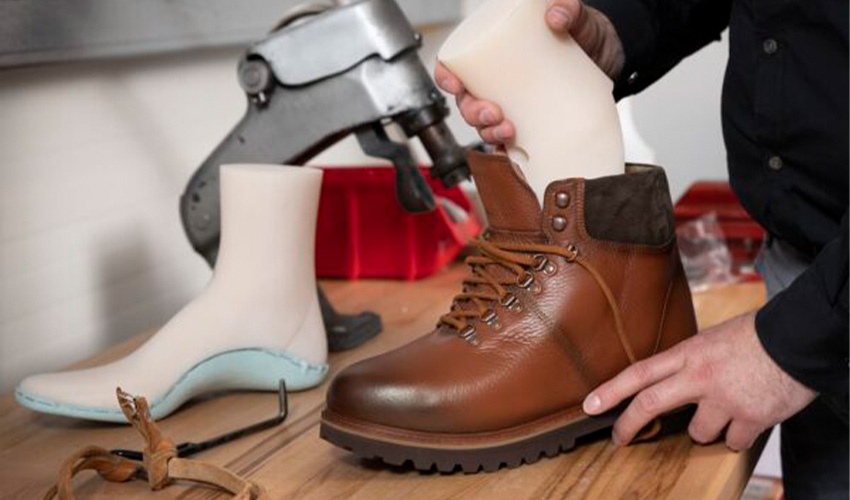
In the orthopedic sector and more broadly in medicine, additive manufacturing has become an essential technology. Whether for the production of prostheses, orthoses or implants, 3D printing allows medical devices to be manufactured in a short period of time and at a reduced cost. However, for the creation of custom orthopedic footwear, additive manufacturing has had its faire share of limitations until now. Traditional orthopedic shoes are made of wood and 3D printed shoes were not of similar quality. To overcome this problem, American company PROTIQ has developed a new solution.
In collaboration with orthopedic experts, PROTIQ has developed a material that can be used for 3D printing orthopedic shoes. The material in question is a TPU polymer, which the additive manufacturing company says offers the same properties as wood, while being elastic and extremely lightweight. Thanks to these characteristics, PROTIQ’s TPU can be seen as a viable alternative to wood. To print its TPU, the company uses selective laser sintering technology, which though similar to many metal powder-based methods like laser-powder bed fusion uses polymer powders.
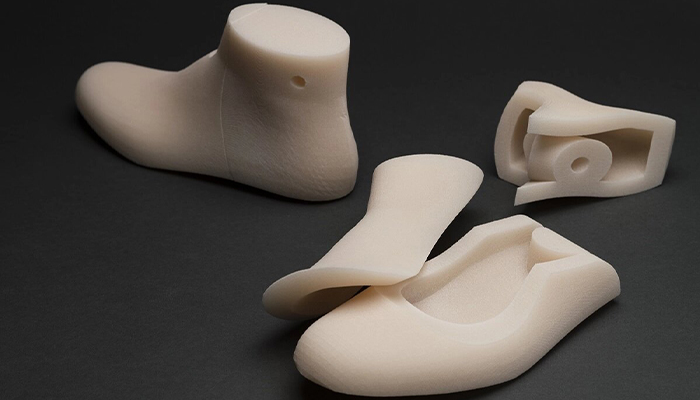
Photo Credits: PROTIQ
According to PROTIQ, they used SLS rather than a technology like Fused Deposition Modeling (FDM), because it allows for much greater precision and technique. Additionally, thanks to this, the shoe lasts can be glue, polished and stapled in the same way as their wooden counterparts. Thus making it easier for shoemakers to make the switch. PROTIQ holds that their solution not only saves time but also meets the high demands of professional shoemaking.
More from the desk
Six other notes from the rest of the bench.
 ApplicationsThe University of Sydney Takes a Leap Towards Functional 3D Printed Human TissuesEmbarking on a journey that seems ripped from the pages of science fiction, a recent breakthrough has brought us one step closer to the future of 3D printing functional human tissues. A collaborative effort between bioengineers and biomedical scientists from…
 PrintersLLNL is able to reduce metal powder spatter during fabricationAt the Lawrence Livermore National Laboratory (LLNL), a team of researchers has developed a technique to reduce the defects that can occur during the metal 3D printing process, particularly during laser powder bed fusion. Using a computer model, they were…
 Printersdp polar presents its AMpolar i2 solution for industrial scale productionAt Formnext, 3Dnatives saw for the first time in person the AMpolar i2 from German manufacturer, dp polar. This machine seeks to be an additive manufacturing solution for industrial scale production, it employs the manufacturer’s proprietary technology, called High-Speed Rotative
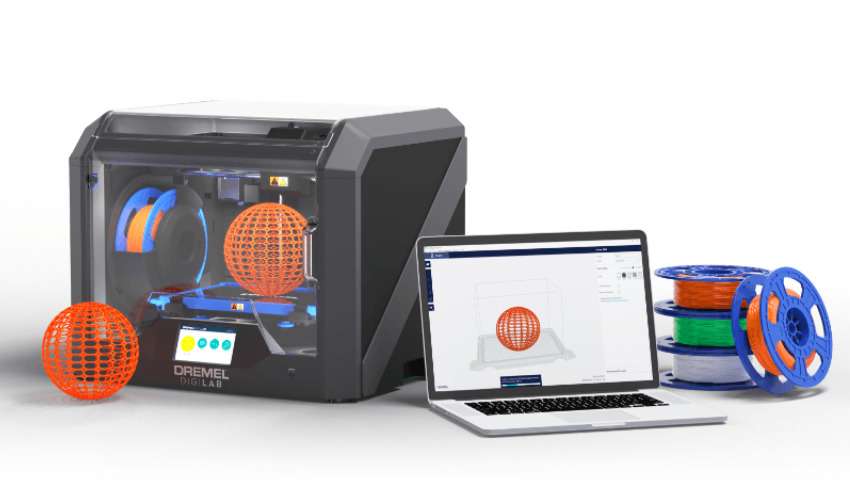 PrintersWhich Dremel 3D Printers Are Currently On the Market?In 2014, Dremel Manufacturing Company moved into 3D printing market with their offshoot, Dremel DigiLab. In line with their focus to shape the new generation of pioneers, their motivation, according to the website, centers around using their products and machines…
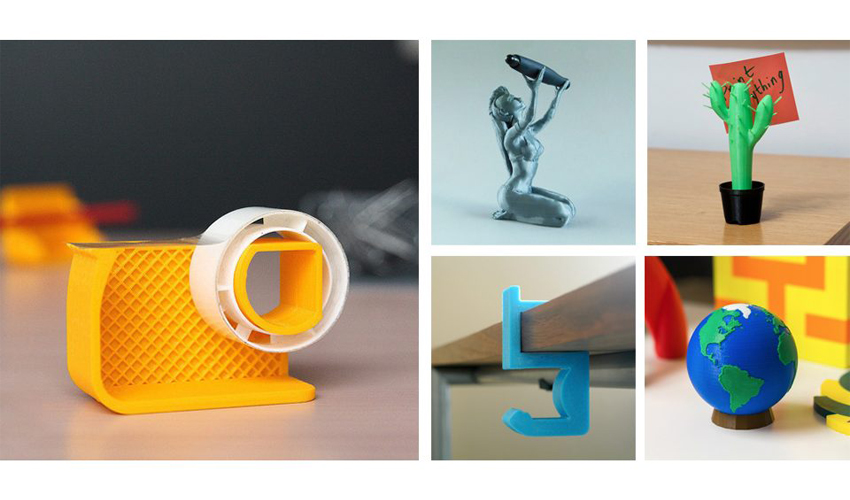 GuidesTOP 10 Back to school 3D printable filesAs the summer comes to a close, there is one thing that is on everyone’s mind and that is back to school! While school shopping can sometimes be a headache, what better excuse do you need to light up your…
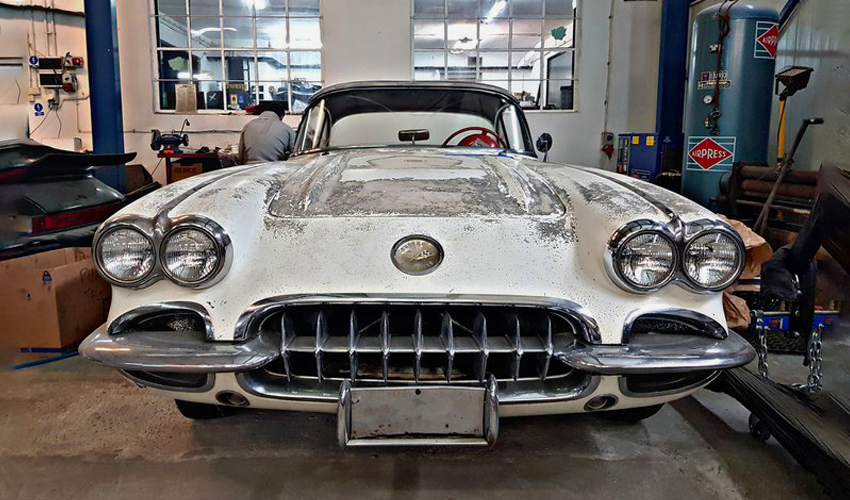 NewsRebuilding classic cars using SLA 3D printingThe use of additive manufacturing in the automotive sector is increasingly present today. In fact, many companies, such as Porsche, use this advanced technology to create customized parts and original seats for their sports cars. The new success story is…