News
Polymer 3D Printing Is Revolutionizing the Production of Tooling Fixtures
Recent developments in additive manufacturing with high-performance polymers, particularly when it comes to improved dimensional accuracy and surface quality, are enabling the adoption of this technology for the production of more durable tools. Indeed, AM is now making it possib
- 3 min read
- News
- Six more stories
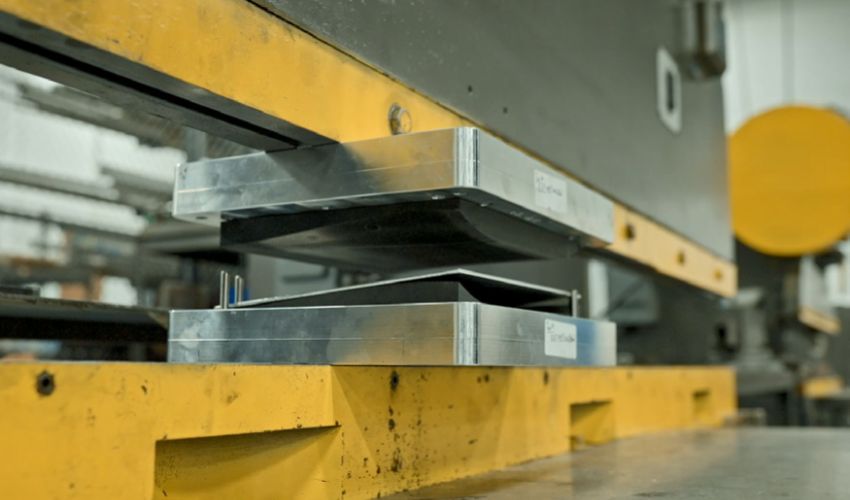
Recent developments in additive manufacturing with high-performance polymers, particularly when it comes to improved dimensional accuracy and surface quality, are enabling the adoption of this technology for the production of more durable tools. Indeed, AM is now making it possible to reduce lead times, labor and costs for tooling as compared to machining.
Major companies in industries like automotive and aerospace—such as Ford and Moog Aircraft Group, among others—have recognized this. As have smaller businesses like machine shops, which are increasingly using technology in their production processes. Today, we are sharing real examples of companies that have chosen the technology from additive manufacturing leader Stratasys to make tooling fixtures faster and at a lower cost. We took a closer look to understand how 3D printing can help solve common tooling challenges and how these companies are already using the technology and seeing its benefits.
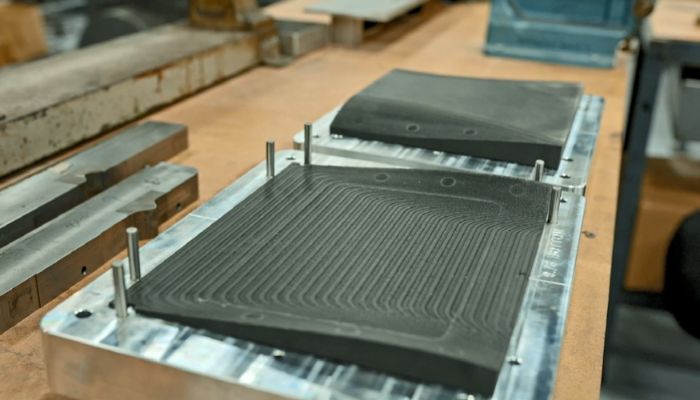
East/West Industries prints metal forming dies using the Fortus 450 3D printer and Nylon 12CF, achieving 80% cost savings and a production time of 1 week, compared to 8 weeks for machining.
The Main Challenges of Tooling and How AM Can Overcome Them
Traditional machining methods for creating tooling fixtures, for example milling, welding or assembly, are well-established but often slow, costly and limited. Common challenges include shortages of skilled labor (particularly CNC operators), long lead times, high costs (especially for low runs or custom tooling), design constraints and issues related to inventory management. In all these cases, which can stop or slow production, the interest of companies is to find more agile and efficient solutions. This is where additive manufacturing comes in.
More from the desk
Six other notes from the rest of the bench.
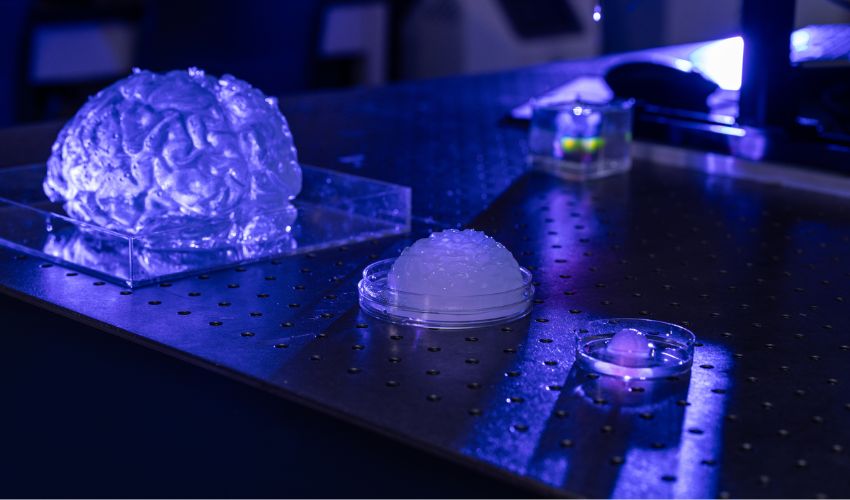 ApplicationsUniversity of Missouri Researchers 3D Print Artificial Human Brain PhantomResearchers at the University of Missouri College of Engineering have successfully 3D printed an artificial human brain phantom. This has the potential to reshape how scientists study neurological conditions, train medical professionals, and develop personalized treatment tools.
 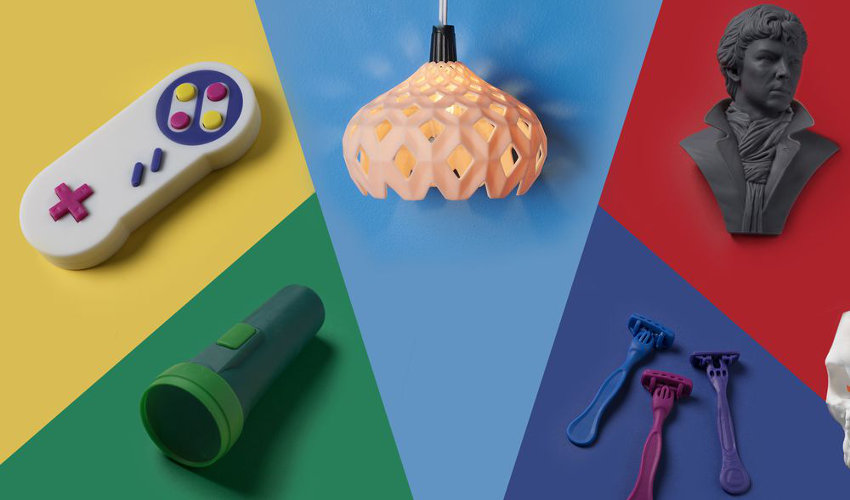 MaterialsFormlabs Announces Color Printing for their SLA 3D Printers3D printer manufacturer Formlabs will launch a new range of resins for their SLA machines including color. The Color Kit is available for their Form 2 3D printer, and will print color parts. This is important as it eliminates the…
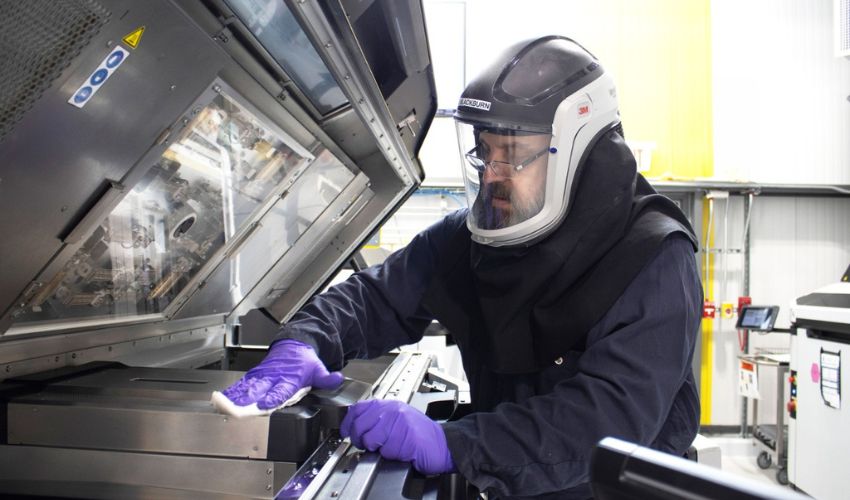 ApplicationsGM Uses Additive Manufacturing for Better Car ManufacturingFerrari, BMW, Rolls-Royce, Lamborghini, Audi, Volvo…nowadays, it seems that all the major car manufacturers are using 3D printing. This includes in the United States, where companies like Ford have hardly made a secret of their appreciation for 3D technologies for…
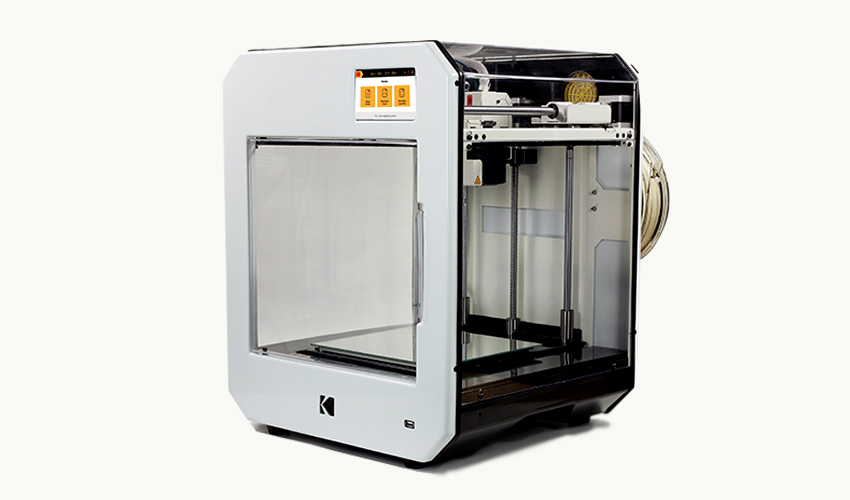 Printers3Dnatives Lab: Testing the KODAK Portrait 3D PrinterKODAK, the company that brought us the disposable and digital cameras entered the 3D printing market in 2018. With the launch of the Portrait, KODAK is officially competing in the market of desktop FDM 3D printers. It has to be…
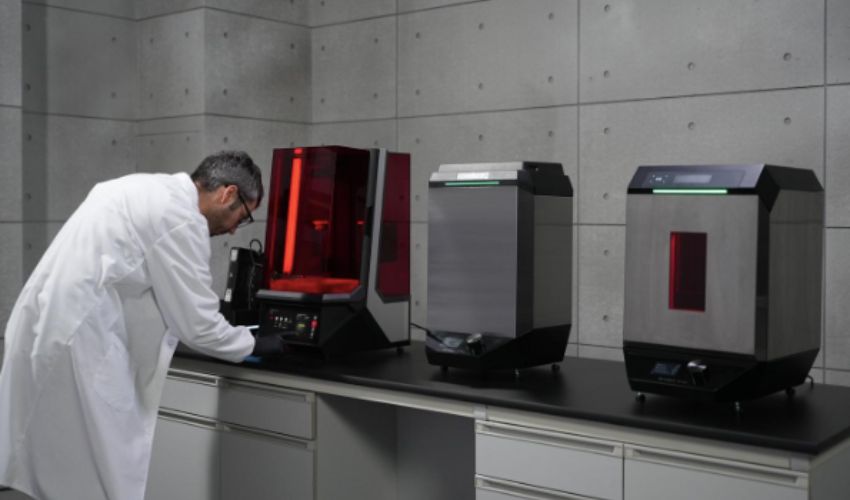 PrintersRaise3D Launches Its First Resin 3D PrinterWhile the additive manufacturing world gathers in Frankfurt for Formnext 2023, it is no surprise that many companies use this opportunity to unveil their newest and most cutting-edge products. The annual event brings together industry players, big and small, from…
 MaterialsResearchers mimic wood’s ultrastructure with 3D printingAt Chalmers University of Technology in Sweden, a team of researchers announced they succeeded in 3D printing parts using a wood-based ink, perfectly imitating the ultrastructure of the natural material. This is good news for the industry, which wants to…