Materials
All You Need to Know About Polycarbonate (PC) for 3D Printing
Polycarbonate (PC) is a family of thermoplastic polymers defined by the carbonate groups in their molecular structure. Engineering-grade PC is prized for its exceptional impact resistance, and certain grades are optically transparent, combining strength, durability and clarity in
- 3 min read
- Materials
- Six more stories
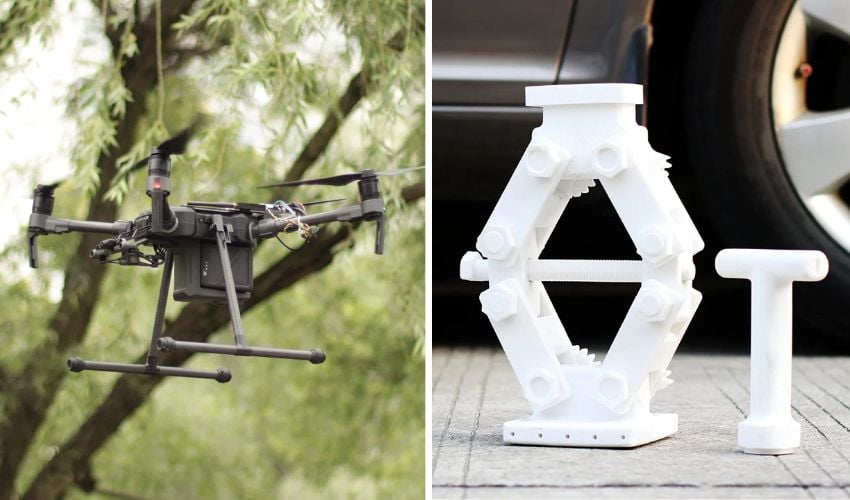
Polycarbonate (PC) is a family of thermoplastic polymers defined by the carbonate groups in their molecular structure. Engineering-grade PC is prized for its exceptional impact resistance, and certain grades are optically transparent, combining strength, durability and clarity in a single filament. This lightweight yet high-performance polymer is widely used across professional and industrial applications.
PC is not the easiest material to 3D print. Unlike PLA or PETG, it demands high extrusion and build plate temperatures, along with a properly enclosed setup to prevent warping. That extra complexity pays off, however: PC parts deliver outstanding thermal resistance, mechanical strength and, in some formulations, optical clarity that few other filaments can match.
Demand reflects this performance edge. According to Dataintelo, the global PC filament market reached USD 526.4 million in 2024 and is projected to grow at a CAGR of 7.8% between 2025 and 2033, reaching an estimated USD 1,064.3 million by 2033. PC is most commonly used in FDM filament form, though there are also PC resins compatible with photopolymerization processes.
More from the desk
Six other notes from the rest of the bench.
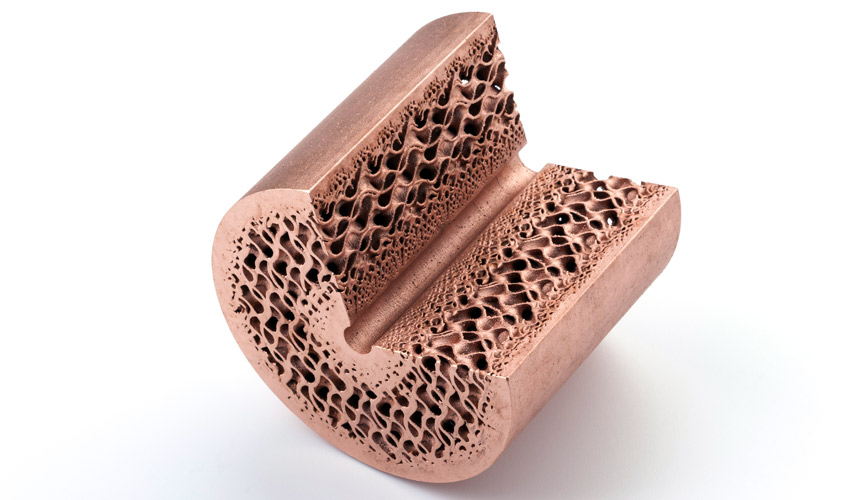 GuidesDesigning objects as complex as nature: Interview with HyperganicWhat if you could design objects as complex as nature? What would you produce? Since the majority of current software tools for additive manufacturing are not yet adapted to this complexity, the Munich-based company Hyperganic offers a technology that overcomes…
 NewsResearchers Create First 3D Printed Plasma Sensors for Space SatellitesResearchers from the Massachusetts Institute of Technology (MIT) have succeeded in 3D printing the first completely digitally manufactured plasma sensors, that can be used for space satellites. They used vat polymerization to create these plasma sensors, which are also known&hell
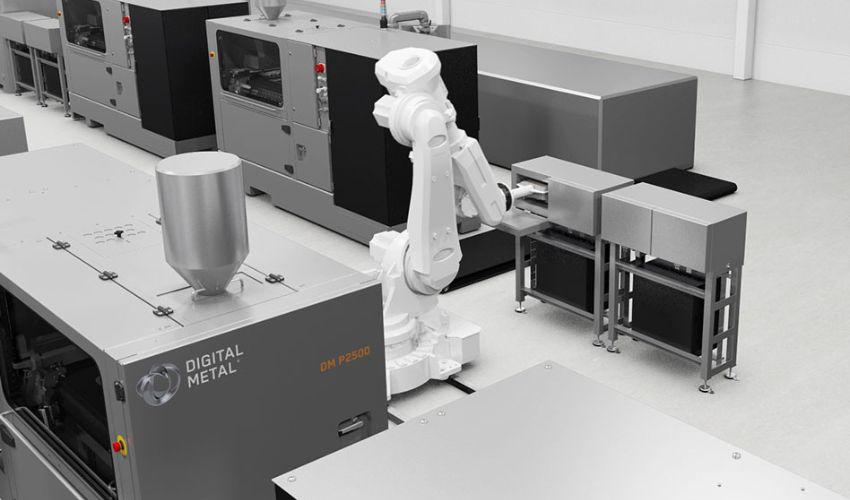 NewsMarkforged Moves into Binder Jetting Market With Digital Metal AcquisitionIn more exciting business news from the additive manufacturing market, leading carbon fiber and metal 3D printer manufacturer Markforged has announced that it has entered a definitive agreement with Höganäs AB to acquire Digital Metal. This move will allow the…
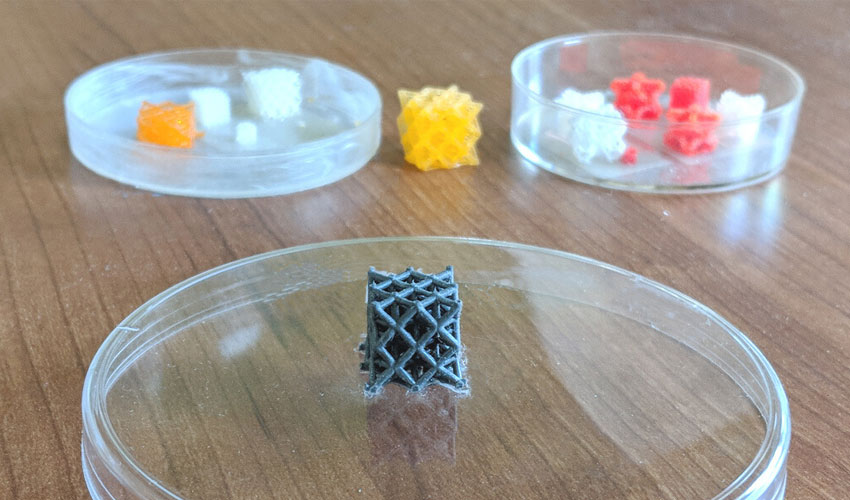 Materials3D printed metamaterials to control sounds and vibrationsA team of researchers from Viterbi University in Los Angeles has found a new way to control sound and vibrations through 3D printing. The team has developed 3D printed metamaterials that are able to block sound waves and mechanical vibrations…
 ApplicationsRocket Lab launches rocket with a 3D printed engineJust over two years ago, the California based startup ‘Rocket Lab’ announced that they had developed the world’s first battery-powered rocket. This same Electron rocket is now here, and incorporates a 3D printed Rutherford engine with with the aim of…
 NewsVertico 3D prints a bridge using 60% less concreteIn the Netherlands, Vertico has 3D printed a bridge in collaboration with the University of Ghent: the startup company is exploring the potential of concrete additive manufacturing, convinced that it can reduce CO2 emissions by saving the amount of material…