Applications
POLARIS Spaceplanes Tests a 3D Printed Aerospike Rocket Engine
German aerospace start-up POLARIS Spaceplanes, based in Bremen, has achieved a key milestone by successfully testing a 3D printed Aerospike rocket engine. This achievement highlights the growing importance of 3D printing technology in the aerospace sector. During the tests, the&h
- 3 min read
- Applications
- Six more stories

German aerospace start-up POLARIS Spaceplanes, based in Bremen, has achieved a key milestone by successfully testing a 3D printed Aerospike rocket engine. This achievement highlights the growing importance of 3D printing technology in the aerospace sector. During the tests, the five-meter-long MIRA II prototype completed taxi and flight tests, distinguishing itself by its innovative LOX/Kerosin-AS-1 engine produced by additive manufacturing. The company expects the prototype to be operational in scheduled flights as early as 2028.
How was MIRA II built? The MIRA II prototype was developed from the original MIRA demonstrator, which crashed during a test flight in May 2024. Since this incident, POLARIS has made progress. The new prototype has completed a three-hour engine test on an airstrip and successfully passed unmanned flight tests over the Baltic Sea. In the final test, the demonstrator took off from Peenemünde airport with four turbojets. Once ignition was reached, the AS-1 engine produced a three-second burn, generating 900 newtons of thrust and an acceleration of 4 m/s².

The demo unit MIRA II. (Photo: POLARIS Spaceplanes)
What’s more, the Aerospike engine represents a more efficient alternative to traditional rocket engines with bell-shaped nozzles. The MIRA II incorporates a dart-shaped nozzle, offering several advantages. One of the main advantages is weight reduction, thanks to a compact, mass-saving design. The engine can also adapt to different altitudes and pressures, guaranteeing optimum performance at all times and effectively adjusting thrust to suit conditions.
More from the desk
Six other notes from the rest of the bench.
 NewsWEBINAR: Revitalizing the Naval Industry with Elastomer Additive ManufacturingThe benefits of additive manufacturing in a variety of sectors are well-known. Though one industry that is perhaps less discussed but has been rapidly integrating AM thanks to its unique advantages is maritime. This is especially due to the many…
 MaterialsThe Common Kitchen Spice That Could Neutralize Light Scattering During Ceramic 3D PrintingYou might not be familiar with curcumin, but you certainly know turmeric: the vibrant spice native to Southeast Asia. Curcumin is the active chemical compound within turmeric responsible for giving it that iconic bright yellow hue. Extracted from the Curcuma…
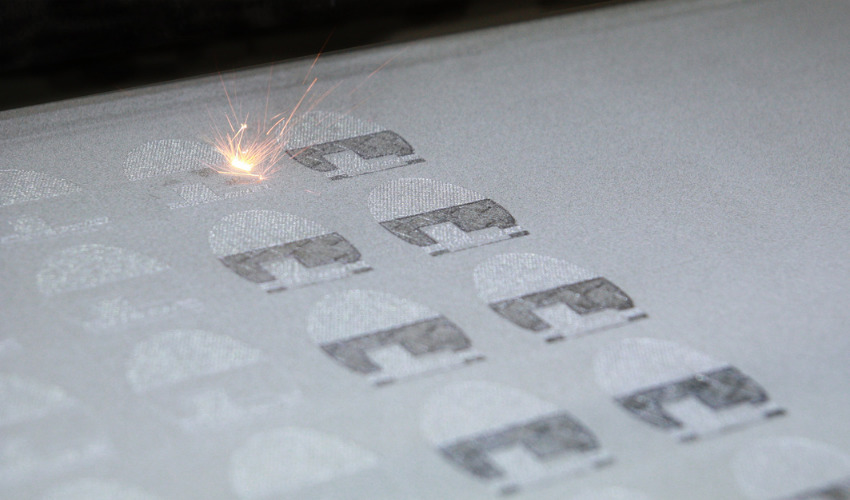 NewsMetal 3D Printing: EOS and Audi Reach Another MilestoneThe automobile manufacturer Audi has been using additive manufacturing to build prototypes and to manufacture auxiliary tools for years. For example, in the Audi ramp-up and analysis center in Neckarsulm, plastic 3D printing has been an integral part of the production process for
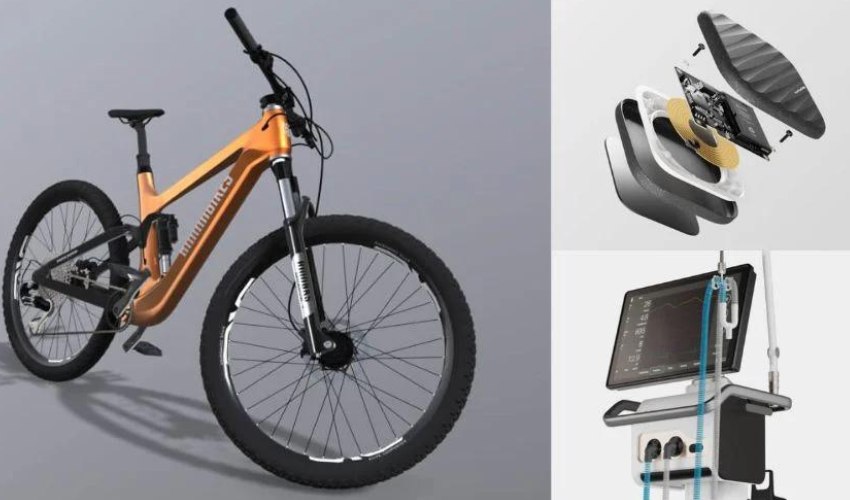 SoftwareVectary: The Interactive Platform for 3D Modeling and Augmented RealityCreated in 2014 by a Slovakian company, Vectary is 3D modeling software. Since the addition of augmented reality features, it offers an enriching experience for lovers of experimentation and creativity. Vectary is designed for designers, engineers, product developers, and marketi
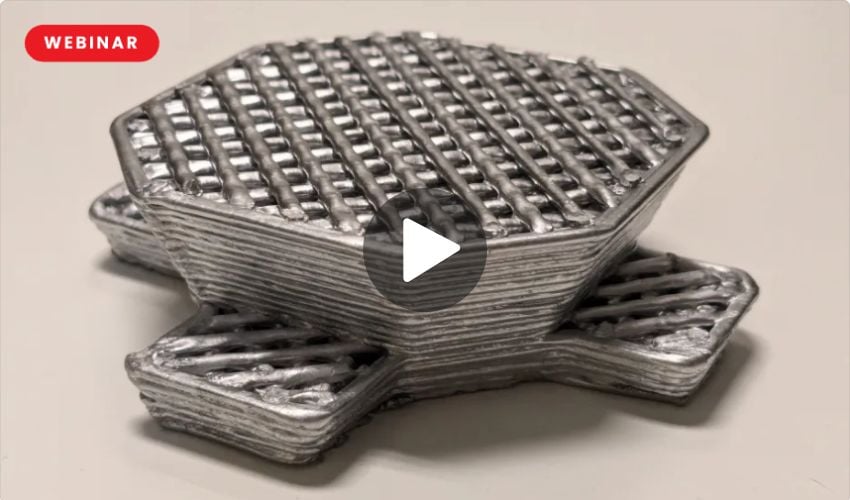 PrintersWEBINAR: Aluminum AM in Your Lab: Manchester and Twente on ValCUN’s MMD TechnologyMetal additive manufacturing has never been an easy fit for a research lab. Laser powder bed fusion (LPBF) means a laser safety enclosure, powder handling protocols, an inert atmosphere and three-phase power. Binder jetting adds a debinding and sintering chain…
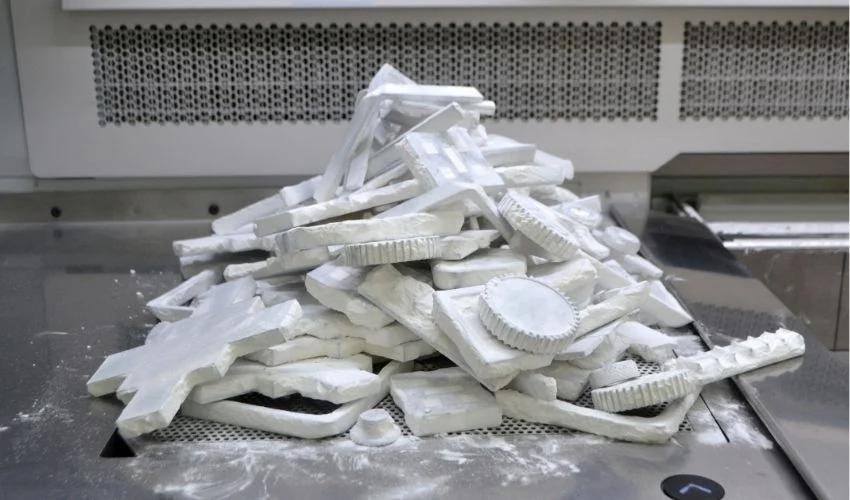 NewsAdditive Manufacturing Gears Up for Increased Volume Production and Specialized MaterialsRecently, Protolabs released a comprehensive report shedding light on the latest trends within the additive manufacturing market, spanning uses, innovations, and key statistics. According to the report, the printing market is projected to soar to $28.07 billion by 2024 and&hellip