Printers
WEBINAR: Aluminum AM in Your Lab: Manchester and Twente on ValCUN’s MMD Technology
Metal additive manufacturing has never been an easy fit for a research lab. Laser powder bed fusion (LPBF) means a laser safety enclosure, powder handling protocols, an inert atmosphere and three-phase power. Binder jetting adds a debinding and sintering chain…
- 3 min read
- Printers
- Six more stories
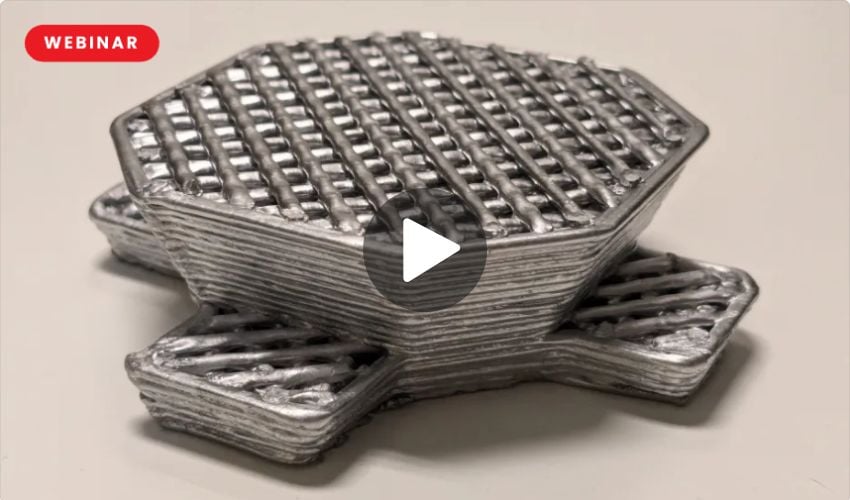
Metal additive manufacturing has never been an easy fit for a research lab. Laser powder bed fusion (LPBF) means a laser safety enclosure, powder handling protocols, an inert atmosphere and three-phase power. Binder jetting adds a debinding and sintering chain on the back end. Either way, aluminum research sits behind a wall of infrastructure that most departments cannot justify. In this webinar, 3Dnatives and ValCUN looked at what changes when that requirement disappears, with researchers from the University of Manchester and the University of Twente presenting what they found working with ValCUN’s Minerva printer and its Molten Metal Deposition (MMD) process.
What We Covered:
MMD melts industry-standard aluminum wire and deposits it in a single step. The Minerva system runs on a single-phase 110 V or 230 V connection, weighs 1.1 tonnes and fits through a standard doorway, with no ATEX certification, gas infrastructure or clean room required. Process parameters, data capture, nozzle configuration and material selection are all left open to the user.
▸ Where MMD sits among aluminum processes: how single-step wire deposition compares with powder-based aluminum AM on cost, footprint and lead time, and which applications it does and does not suit.
More from the desk
Six other notes from the rest of the bench.
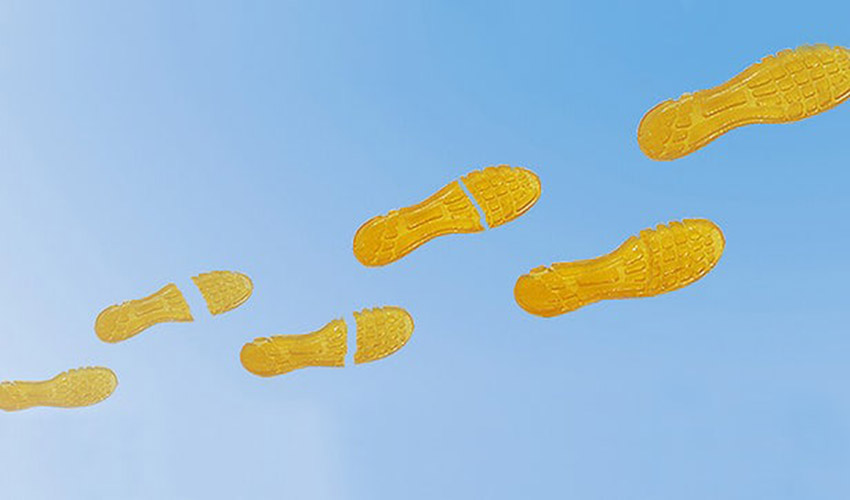 NewsBroken shoe? This new 3D printing material repairs itselfResearchers at the University of Southern California, Viterbi School of Engineering, have developed a 3D printing material that repairs itself on its own after being fractured or punctured. These materials could be game-changing for many industries such as the shoe,…
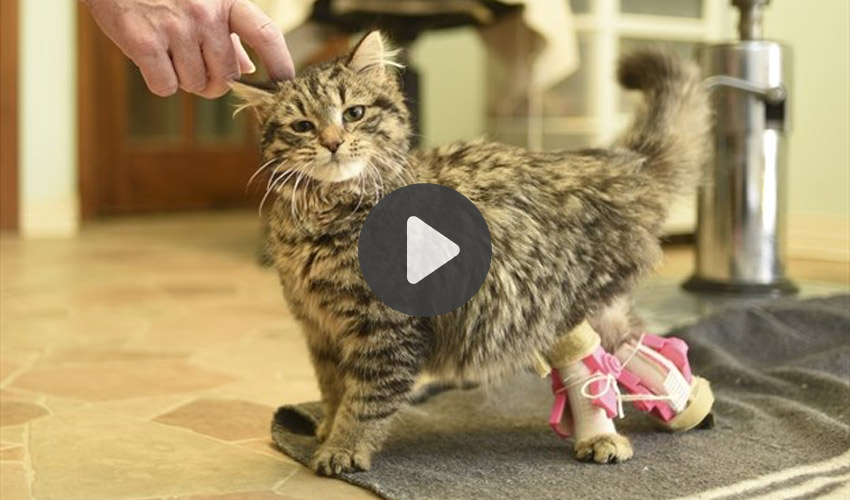 News#TOP5 Videos: cat can walk again thanks to 3D printing, 3D printed collarbone and more!We found the TOP 5 videos of the week about 3D printing and the way additive manufacturing is shaping and changing our society. This week we touch on Carly, the cat that can walk again thanks to 3D printing, 3D printed…
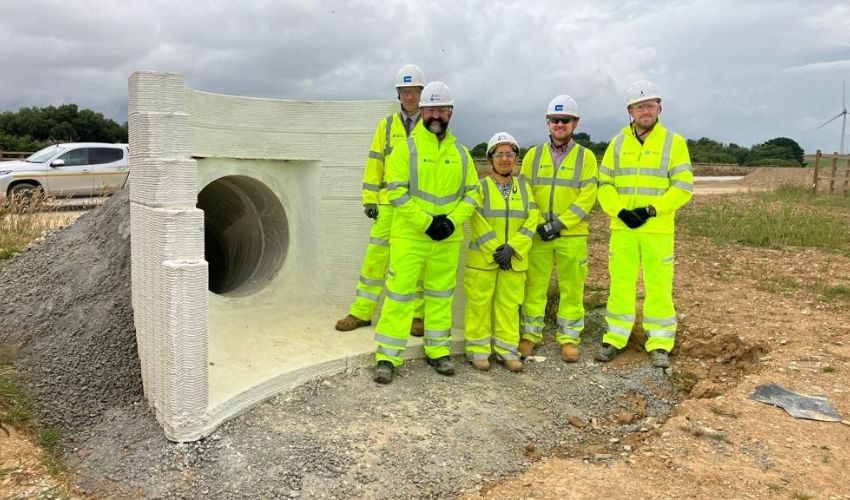 NewsCambridge Researchers 3D Print Smart Wall on UK National HighwaysCambridge researchers have achieved a significant milestone by developing the first 3D printed concrete infrastructure for a National Highways project. The innovative structure, known as a headwall, has been installed on the A30 in Cornwall and is equipped with sensors…
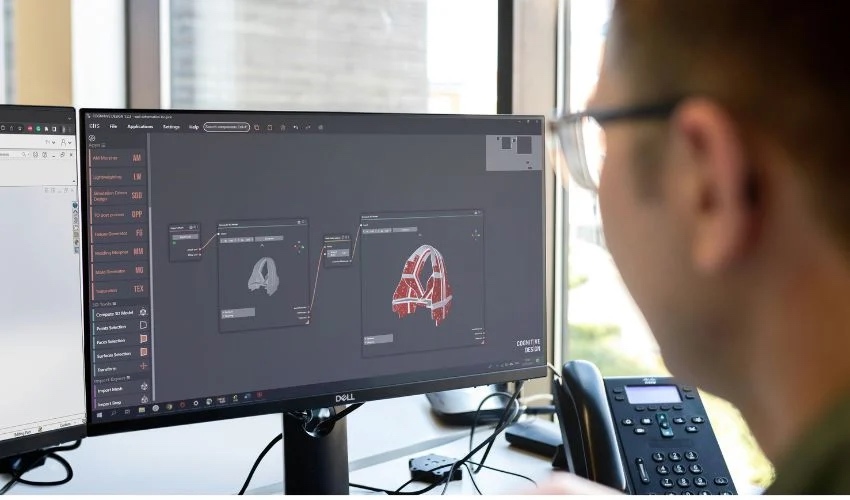 SoftwareCognitive Design, the Software That Optimizes Design and Ensures Part Manufacturability, Whatever Their ComplexityEngineers are always looking for reliable solutions to optimize their designs and ensure that they can be manufactured in the best possible way, whatever their complexity. However, most of these solutions often involve a lot of back-and-forth between design, simulation,…
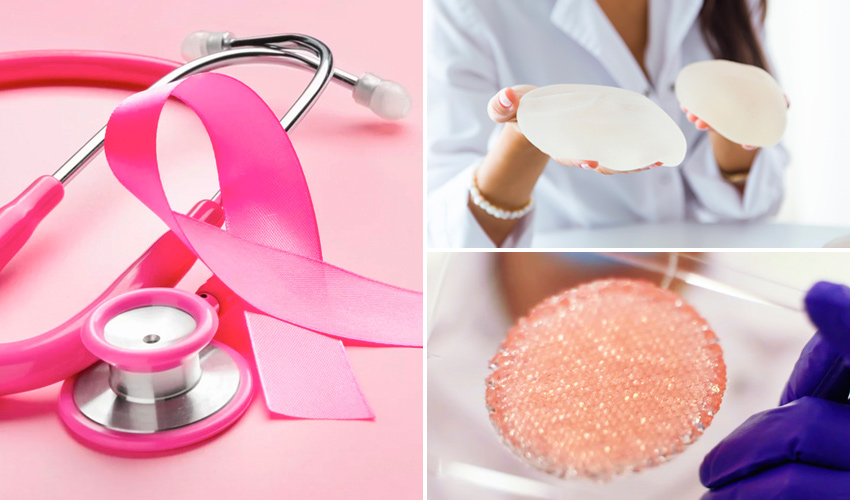 Guides3D Printing Applications in the Fight Against Breast CancerBeing a woman is the biggest risk factor for developing breast cancer. Even though men are not immune to this type of cancer and around 1% are diagnosed with it every year, breast cancer was the most common cancer in…
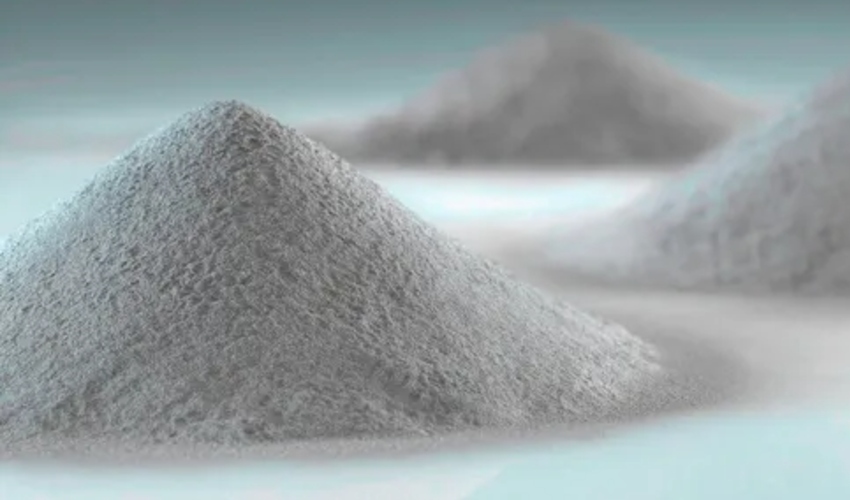 MaterialsResearchers Develop the Strongest Ever 3D Printed Aluminum OxideResearchers at the Montanuniversität Leoben in Austria, known for the fields of mining, metallurgy and materials science, have successfully 3D printed aluminum oxide with a tensile strength of 1 GPa (equivalent to 1,000 MPa). The project was made possible by the multi-material 3D