Materials
Researchers Develop Multi-Material DLP Method For Plastic-Metal Composites
Both plastic and metal are key materials within many 3D printing processes and applications. When combined to make plastic-metal composites, the properties are modified to apply to a number of fields as the final product has metal and plastic integrated…
- 3 min read
- Materials
- Six more stories
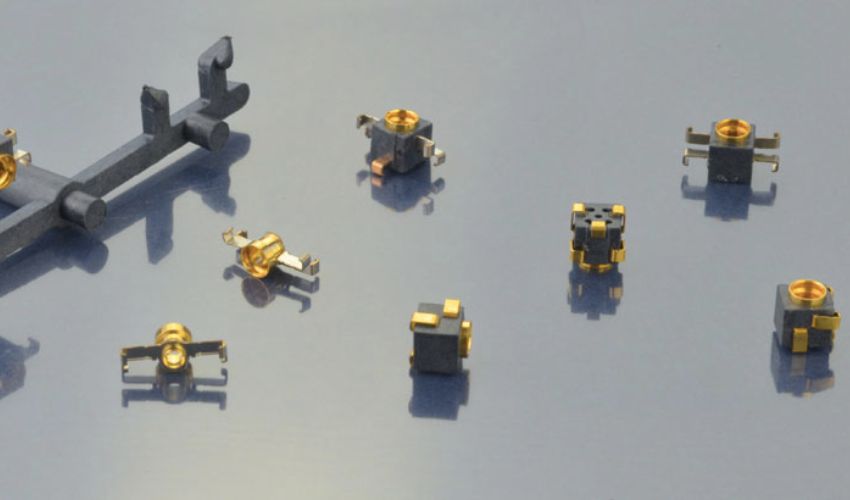
Both plastic and metal are key materials within many 3D printing processes and applications. When combined to make plastic-metal composites, the properties are modified to apply to a number of fields as the final product has metal and plastic integrated within its structure. However, current methods to do this are expensive. Researchers at Waseda University, Japan, and Nanyang Technological University (NTU), have therefore developed a process for the fabrication of these structures, known as multi-material DLP additive manufacturing or MM-DLP3DP.
The researchers performed a multi-step process. To start with, they prepared active precursors: that is, the chemical which was transformed into a different chemical. They used NH4Cl in 50 mL of deionized water, to which 270 mg of PdCl2 was added. Once fully prepared, they mixed this with one of the light-curable resins. The palladium ions allow the metal particles in solution to be deposited in ELP: this essentially means that the metal ions settle onto a pre-existing surface to form the metal pattern. In short, this first step consisted of the creation of modified resins for the ELP process.
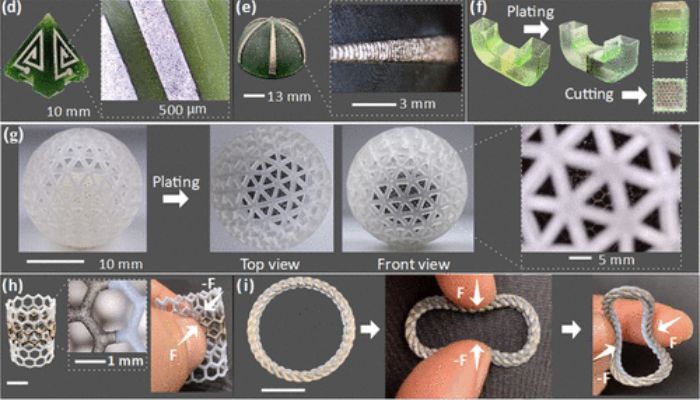
Examples of plated parts made with multi-material DLP 3D printing. (Photo credit: Waseda University)
Next the MM-DLP3DP process was used to make micro-structures of nested regions of the resin or active precursor together. Finally, they plated the materials and added 3D metal patterns with the use of ELP. To demonstrate the usefulness of this technology, they manufactured a 3D circuit with a double-sided structure which was connected by a through-hole, and also a series of sensors which can be integrated with the product being measured (a general example would be a thermometer manufactured with an integrated temperature detector). As they showed, MM-DLP4DP has ‘higher resolution and thus allows the construction of microstructured surfaces with special functions’ when compared to multiple-nozzle printing.
More from the desk
Six other notes from the rest of the bench.
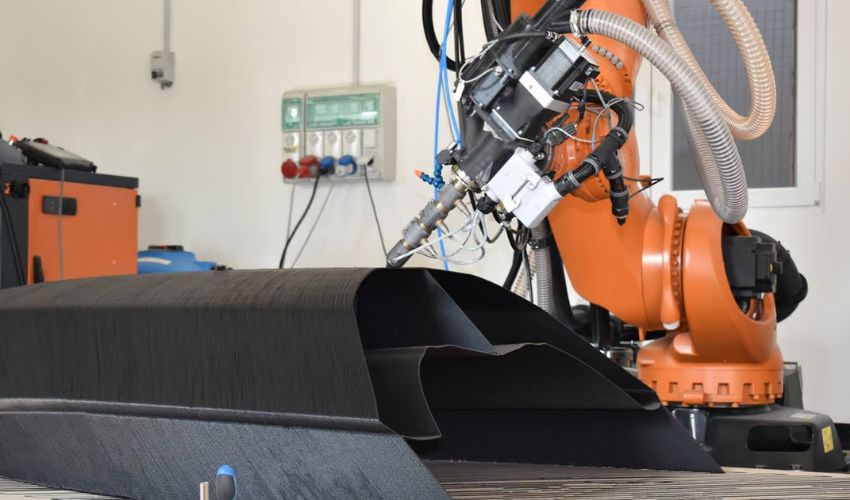 Guides8 Reasons to Use a Robotic Arm for 3D PrintingRobotic arms—motorized, programmable and designed for precision—have long been a staple of industrial automation. With joints and articulations mimicking a human arm, they enhance efficiency in manufacturing by streamlining repetitive tasks. Sound familiar? These advantages paral
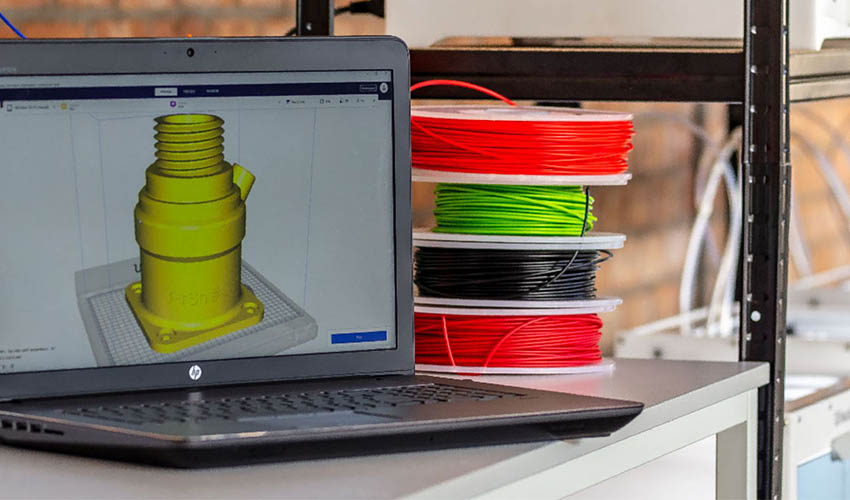 MaterialsThe Ultimaker Material Alliance Program now counts more than 80 contributorsUltimaker, the leading manufacturer of FDM 3D printers launched the ‘Ultimaker Material Alliance Program’ 12 months ago. Recently, the company revealed that the program has more than 80 contributing companies. It was at the Hannover Messe event that the global…
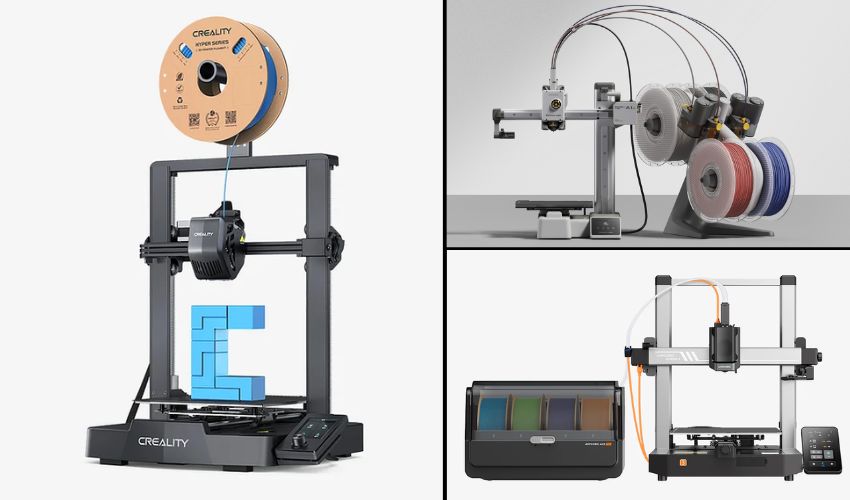 PrintersThe Best 3D Printers for BeginnersBringing 3D printing into your home or office opens the door to endless creative possibilities. Whether you’re looking to create custom parts, gadgets, figurines, or unique decor, 3D printers offer a diverse range of applications for both utility and fun.…
 NewsAmerica Makes announces AM education challengeThere is no doubt that 3D printing is a technology that we will continue to see grow into the future; But when we discuss the future, it is important to remember who our future is, and that would be kids.…
 NewsWhat Did Attendees Think of RAPID + TCT 2024?Now that RAPID + TCT 2024 has come to an end, one question remains: who exactly enjoyed the event the most? Well, according to our latest video that answer is pretty simple, it was the attendees! With people both in…
 GuidesMorningbird Space Develops 3D Technologies to Accelerate Space ConquestIt’s hard to ignore additive manufacturing when it comes to aerospace and space conquest. It would seem that the technology has become an essential means of designing more efficient parts and tools, rather like artificial intelligence. This is the context…