News
University of Minnesota Duluth Receives Orbital Composites Robotic 3D Printer
Orbital Composites, a provider of advanced carbon fiber and robotic 3D printers designed for space additive manufacturing applications, has just announced that it has shipped one of its Robotic 3D printers to the University of Minnesota Duluth (UMD). The printer,…
- 3 min read
- News
- Six more stories
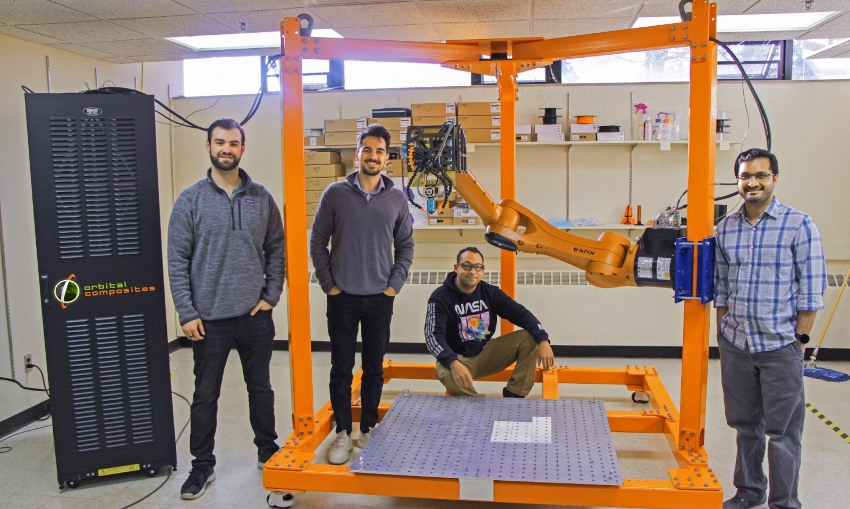
Orbital Composites, a provider of advanced carbon fiber and robotic 3D printers designed for space additive manufacturing applications, has just announced that it has shipped one of its Robotic 3D printers to the University of Minnesota Duluth (UMD). The printer, along with Orbital Composites’ commercially available Orbital S AM platform, will facilitate UMD’s research into polymer and composite additive manufacturing. This event is a milestone for both UMD and Orbital Composites. This is because the acquisition of the robotic 3D printer will play a key role in the university’s endeavor to expand its teaching and research capabilities in large-scale, out-of-plane robotic 3D printing of thermoplastic polymers. It also marks Orbital Composites’ first commercial shipment of a turnkey robotic 3D printer.
UMD’s research will be conducted under the guidance of Dr. Gireesh Menta, professor of Mechanical Engineering. According to Menta, the 3D printer “not only enables us to conduct research in this exciting next-generation manufacturing technology but also allows us to bring true interdisciplinary instruction to our classrooms. We expect this technology to improve UMD’s competitiveness in the Additive Manufacturing field and result in job opportunities with students gaining extremely valuable skills in robotics, AI, and additive manufacturing.”
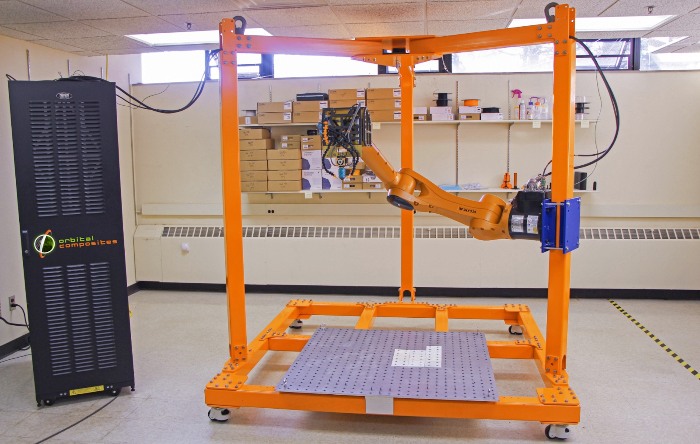
Orbital Composites’ robotic 3D printer has now been shipped to UMD.
Orbital S is a multi-talented platform, compatible with modular, robotic, additive, and subtractive manufacturing. As such, it will enable students to gain hands-on knowledge of a variety of subjects including robotics, software programming, material science, and, of course, 3D printing of polymers and composites. Equally the students will receive interdisciplinary learning experience in mechanical and electrical design, chemistry, programming, as well as other subjects, by learning to operate the robotic 3D printer.
More from the desk
Six other notes from the rest of the bench.
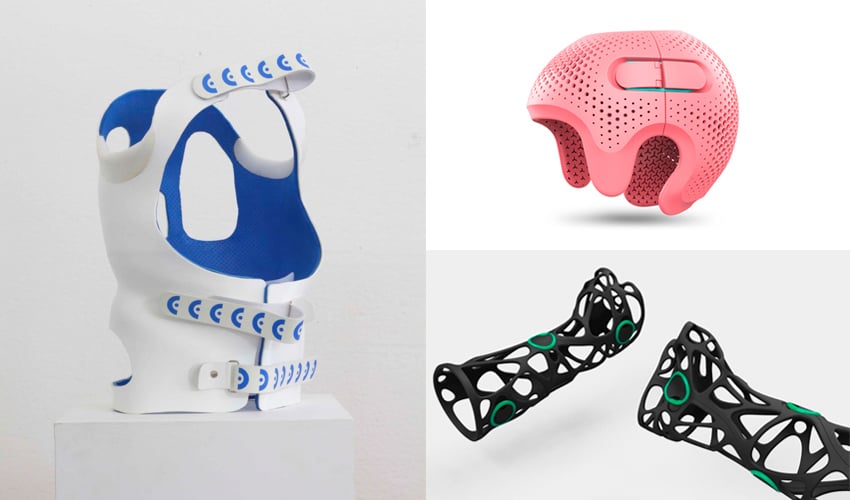 GuidesTop 3D Printed OrthosesIt is becoming increasingly evident that additive manufacturing has a pivotal role to play within the medical sector. This is largely due to the ability to create and customize solutions tailored to each individual. From bioprinting projects for tissue development…
 News3D Hubs and Protolabs Want to Create the World’s Largest Manufacturing PackageLast January, Protolabs 3D Printing Service announced the acquisition of 3D Hubs online manufacturing service. Launched in 2013, the service has undergone a number of developments over the past few years, starting with a 3D printing platform where customers could…
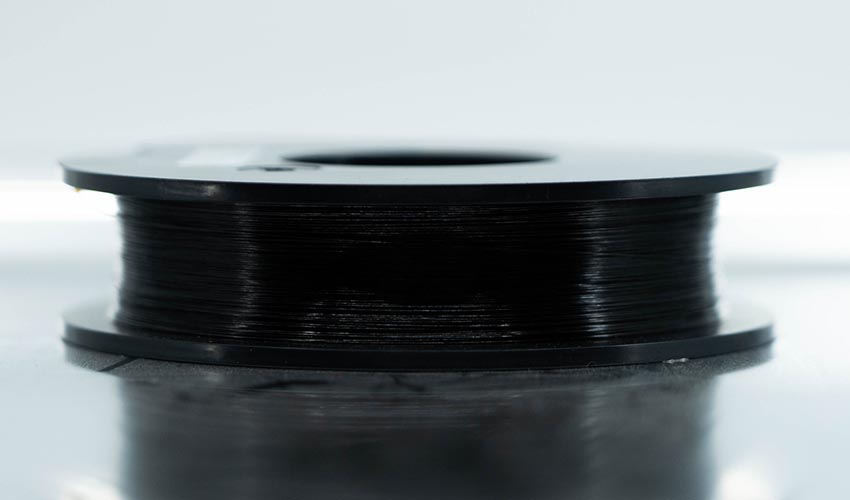 MaterialsAll You Need to Know About Carbon Fiber for 3D PrintingThe advent of 3D printing has brought about a transformative revolution in the fields of design and manufacturing. And now, with the emergence of 3D printed carbon fiber composites, a whole new realm of possibilities is unfolding. Carbon fiber, which…
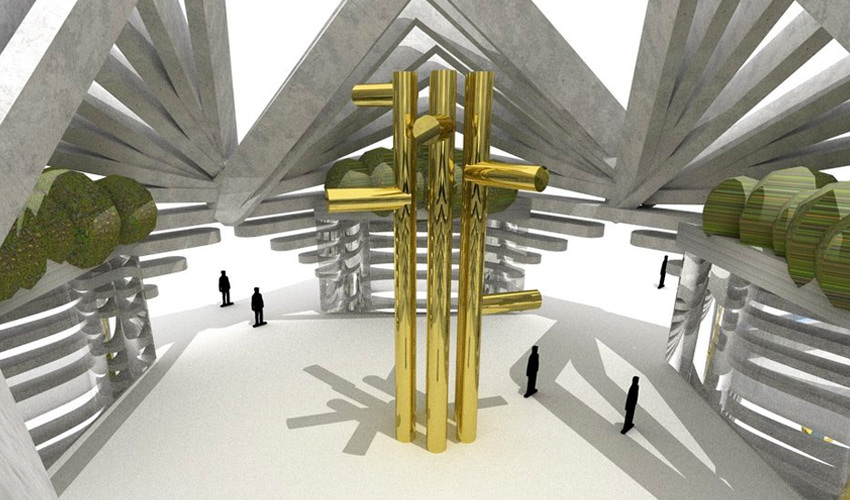 SoftwareMorphi, an Intuitive 3D Modeling Software for BeginnersMorphi is a user-friendly application designed for beginners in the field of 3D modeling, developed by Inventery, a New York-based company. The application is compatible with both Mac and Windows and can be used online or offline. However, the mobile…
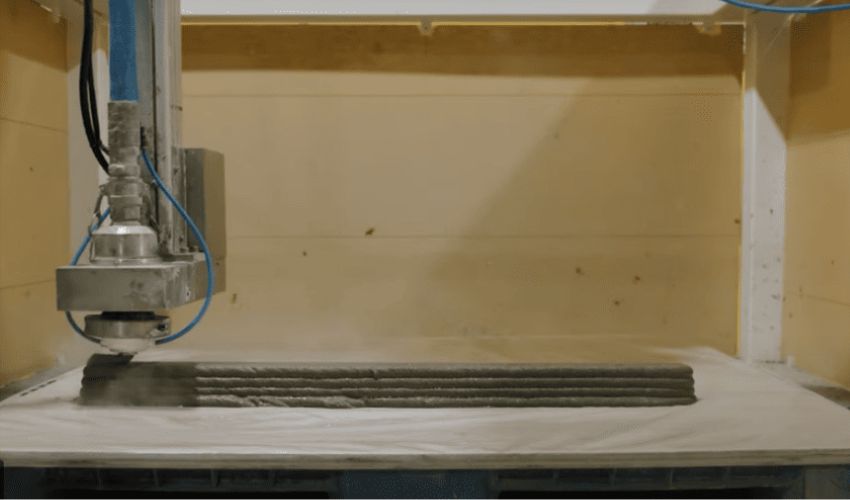 NewsNew Concrete 3D Printing Method Reduces Ecological Footprint3D printing is gradually transforming the construction industry. Various projects, from houses to shopping malls, have already been created thanks to this technology. Today, one project in particular is attracting attention: researchers at Nanyang Technological University in Sing
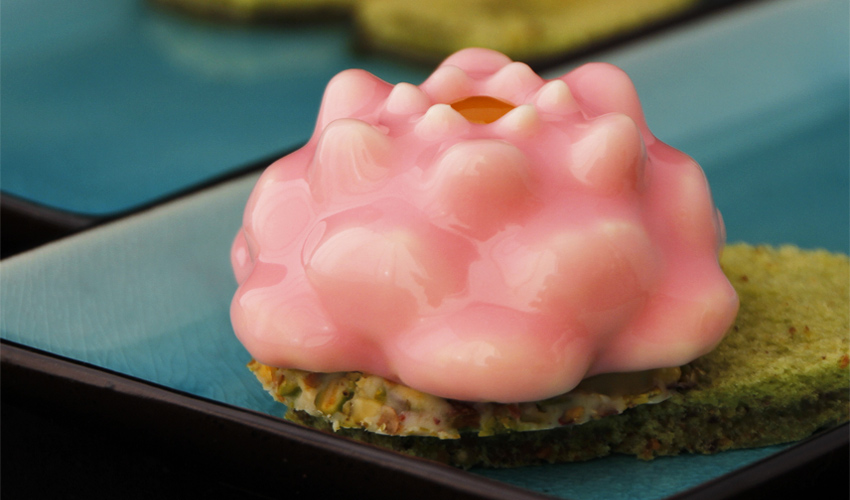 Guides3D Treats Talks 3D Printing Original DessertsAs we know, food 3D printing is growing rapidly. This manufacturing method involves creating models by extruding food and stacking them layer by layer. Many solutions have been developed based on this technology, the most common being chocolate 3D printers.…