News
New Concrete 3D Printing Method Reduces Ecological Footprint
3D printing is gradually transforming the construction industry. Various projects, from houses to shopping malls, have already been created thanks to this technology. Today, one project in particular is attracting attention: researchers at Nanyang Technological University in Sing
- 3 min read
- News
- Six more stories
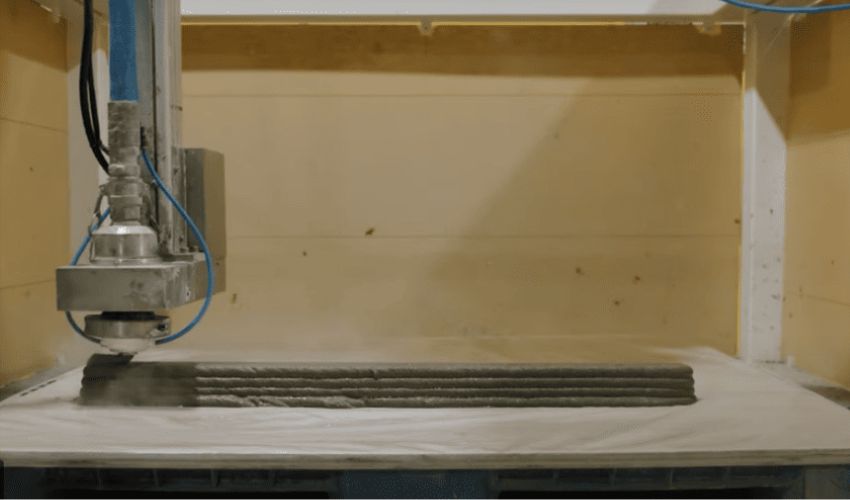
3D printing is gradually transforming the construction industry. Various projects, from houses to shopping malls, have already been created thanks to this technology. Today, one project in particular is attracting attention: researchers at Nanyang Technological University in Singapore (NTU Singapore) have developed a concrete 3D printing technique capable of capturing carbon. This innovation opens up new prospects for reducing the ecological footprint of construction. The project also arrives just a few months after researchers at the University of Virginia developed a concrete formula for 3D printing that lowered carbon emissions by 31 percent, evidence of a global effort to make construction 3D printing more eco-friendly.
This new technique, presented in the Carbon Capture Science & Technology journal, could transform the construction industry. It tackles the environmental impact of cement, which is responsible for around eight percent of global CO2 emissions. By optimizing the use of materials, speeding up construction times and reducing labor requirements, this approach promises to make traditional methods, such as reinforced concrete, less necessary. Let’s find out how it works.
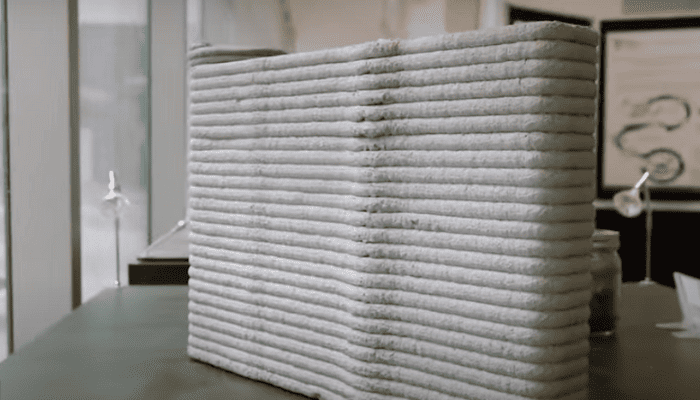
Eco-Friendly, High-Performance 3D Concrete Printing
This new 3D printing method integrates CO2 and steam, recovered as by-products of industrial processes, directly into the concrete mix. This process enables the CO2 to become permanently fixed in the structure of the concrete, improving its mechanical performance compared with conventional 3D printing methods. In concrete terms, the team has designed a system in which the 3D printer is connected to CO2 pumps and a steam jet. During printing, the CO2 reacts with the concrete components to solidify, while the steam increases the concrete’s capacity to absorb this gas, making the structure more robust.
More from the desk
Six other notes from the rest of the bench.
 NewsNew Ink for Emerging 3D Printing Technology to Make Cheaper Cultured MeatLab-grown meat is created by the reproduction of meat (animal muscle) cells in vitro. The process has great potential to offer eco-friendly and ethical meat to those who require the nutritional benefits of the food source but who take issue…
 GuidesLithography-Based Metal Manufacturing: How Incus Is Scaling Metal AMFor decades, the production of small, precise metal components at scale has been largely defined by Metal Injection Molding (MIM), known for its speed, consistency, and cost efficiency. Replicating these characteristics with additive manufacturing has remained a challenge, partic
 NewsOur Picks for Top 3D Printers at Formnext 2019In Formnext 2019, 3D printer manufacturers from all around the world gathered together to meet and showcase their latest, innovative products. Both desktop and industrial, attendees could find printers designed to suit any possible 3D printing need that they might…
 NewsHeyGears Expands the Possibilities of Resin 3D PrintingHeyGears is a manufacturer of 3D printing solutions, best known for its resin machines that allow countless users to unleash their creativity and produce a wide variety of parts. At Formnext 2025, the company unveiled a series of innovations designed…
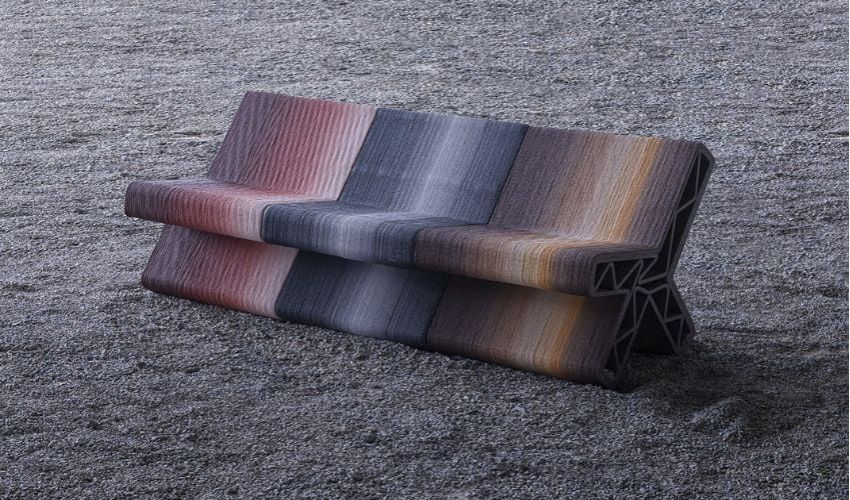 NewsBENTU DESIGN 3D Prints Street Furniture Using Construction WasteThe construction industry is undoubtedly one of the world’s biggest generators of waste. Depending on the statistics and what is included in this waste, it is estimated that 2 to 3 billion tons are produced each year—accounting for 30 to…
 News3D Printed Smart Buoys for Monitoring Marine EnvironmentsAs today is official world water day, we are taking the opportunity to tell you about the seawater battery-based, additively manufactured, smart buoy designed to monitor and collect data on the marine environment. These were developed as part of the…