Printers
How to optimise post-processing in 3D printing: Experts give their advice!
There are many steps in the 3D printing process: from 3D modeling the piece you wish to create, to slicing your model and finally sending it to the 3D printer, each step has its importance. Once the part has been…
- 3 min read
- Printers
- Six more stories
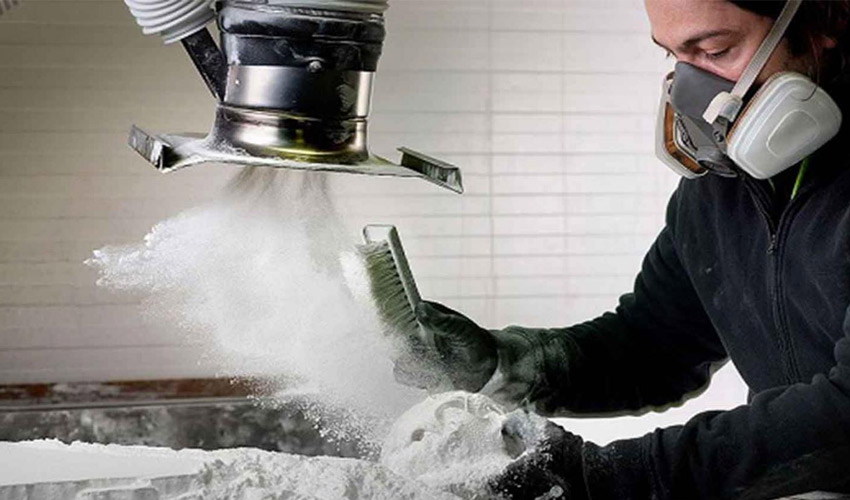
There are many steps in the 3D printing process: from 3D modeling the piece you wish to create, to slicing your model and finally sending it to the 3D printer, each step has its importance. Once the part has been printed, there is often a last step, namely post-processing. The aim of this step can be to reduce the laminated appearance of a part, to colour it or to reinforce its structure. Post-processing being the final step doesn’t mean it is not crucial, and it is no coincidence that some manufacturers have developed machines with integrated solutions for this step, such as the Velox 3D printer or companies like DyeMansion. In order to better understand the importance of post-processing in 3D printing and the different techniques that exist, we interviewed 3 experts in additive manufacturing to give you their exclusive advice.
Our first expert is Andy Kottage, Lead Technical Trainer at PostProcess – the company has developed an automated and intelligent approach to address the post-printing step of the additive manufacturing workflow. PostProcess is rooted in software and has also designed complementary hardware and chemistry to solve post-printing challenges specific to the materials and demands of the industry. They offer a range of comprehensive solutions for soluble support removal, resin removal, powder removal, and surface finishing across all technologies. Our second expert is Vincent Icart, Program Leader of MOVINGLight at Prodways. The MOVINGLight DLP technology is a patented photopolymerization process for producing prototypes or functional parts with high resolution and high speed. Last but not least, our third expert is Fabien Pettelot, Application Engineer at Protolabs, one of the largest 3D printing services for custom prototypes and production parts.



What are the post-processing techniques for 3D printing?
Given the multiplicity of additive manufacturing technologies and compatible materials, it is not surprising to see that there are various post-processing methods. Conventional plastics, such as PLA or ABS will not be treated in the same way as aluminium and titanium for example. In general, Andy Kottage explains: “Looking at most of the industry at the moment, you will find post-printing techniques that heavily rely on a combination of manual labor and retrofitted traditional manufacturing equipment. For support removal and surface finishing, these include dunk tanks, water jets, rock tumblers, and vibratory bowls.” He goes on to explain that often software is a key component of solving today’s post-printing challenges.
More from the desk
Six other notes from the rest of the bench.
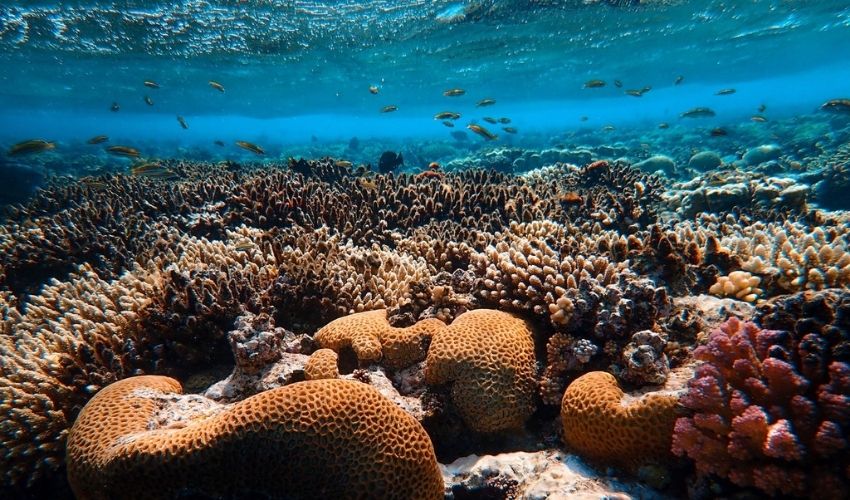 MaterialsArchiREEF’s 3D-Printed Terracotta Tiles Restoring Coral in Hong KongIn 2020, a team of scientists from The University of Hong Kong (HKU) launched ArchiREEF, a startup on a mission to restore marine life in the coral reefs near Hong Kong. We previously covered ArchiREEF’s 3D-Printed terracotta tiles but there…
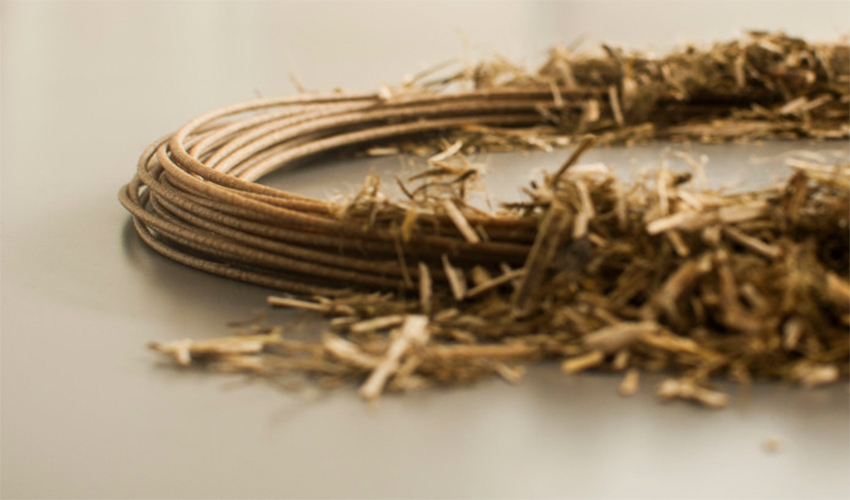 MaterialsHemp 3D printer filament: A sustainable alternativeCannabis has over recent time been a growing topic of debate. As it is discussed in various ways for its medical uses, environmental benefits and sustainable abilities, it is only natural that Hemp 3D printer filament would also come up…
 NewsTop 5 Videos of the Week: 3D printing at the Met Gala…This week we found the top 5 videos about 3D printing and the way additive manufacturing is shaping our society. The technology has infiltrated fashion, as seen by the 3D printed dresses at the Met Gala, not only this, it…
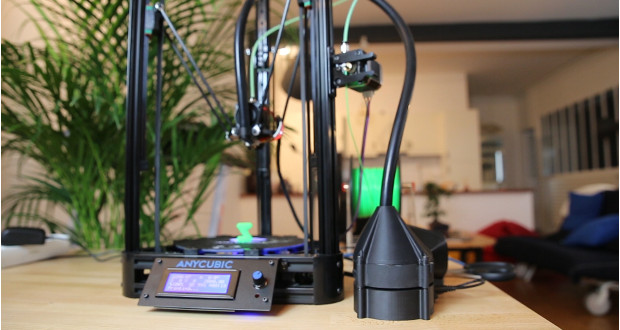 PrintersZimple: 3D Printing without Toxic EmissionsNicolas and Antoine of “Zimple” launched their Kickstarter campaign earlier this year for a 3D printer filtration system that helps to significantly reduce the toxic emissions that are produced during printing. Their filtration system called the “Zimpure”
 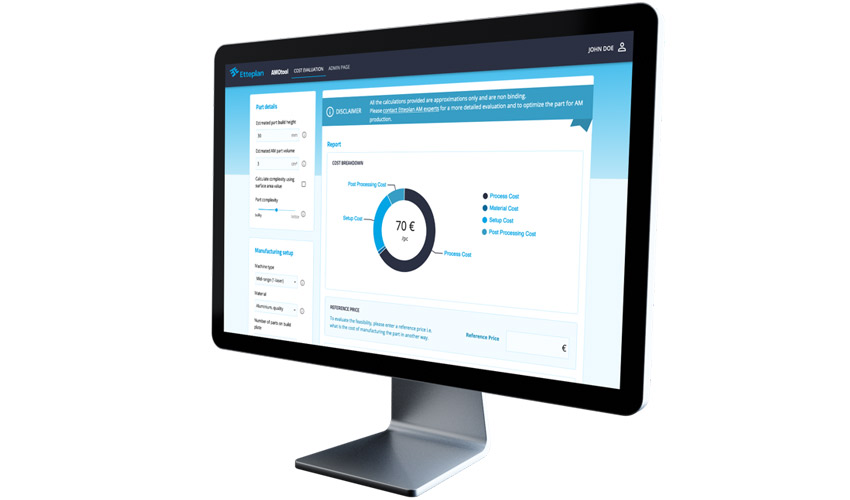 NewsAMOTool, a free solution to estimate the cost of metal additive manufacturingWhat if you could estimate the production costs associated with additive manufacturing? This is what AMOTool, the new online tool developed by the Finnish company Etteplan, offers. It is actually designed for metal 3D printing technologies and would allow companies…
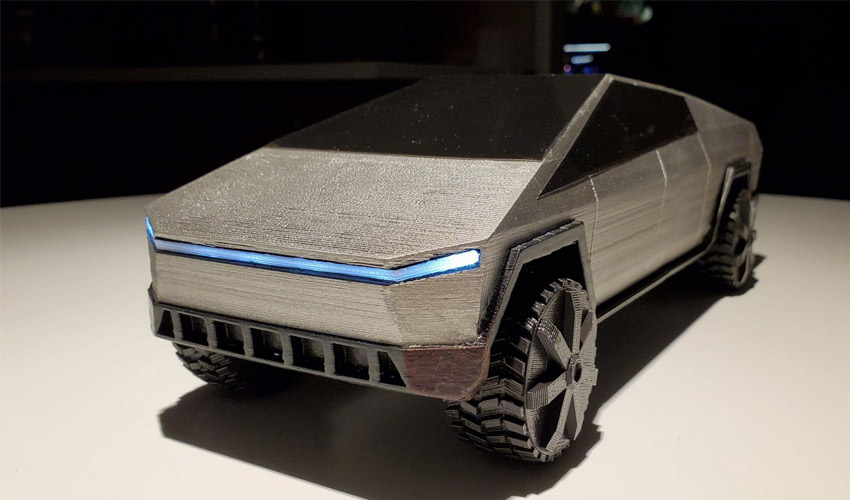 News3D print the Tesla Cybertruck directly at homeWhy not 3D print your own Tesla Cybertruck? A smaller model of course. This was the idea of designer Roger Kappler who created a small-scale 3D model of the famous pickup truck that should be released in 2021. He started…