Materials
ArchiREEF’s 3D-Printed Terracotta Tiles Restoring Coral in Hong Kong
In 2020, a team of scientists from The University of Hong Kong (HKU) launched ArchiREEF, a startup on a mission to restore marine life in the coral reefs near Hong Kong. We previously covered ArchiREEF’s 3D-Printed terracotta tiles but there…
- 3 min read
- Materials
- Six more stories
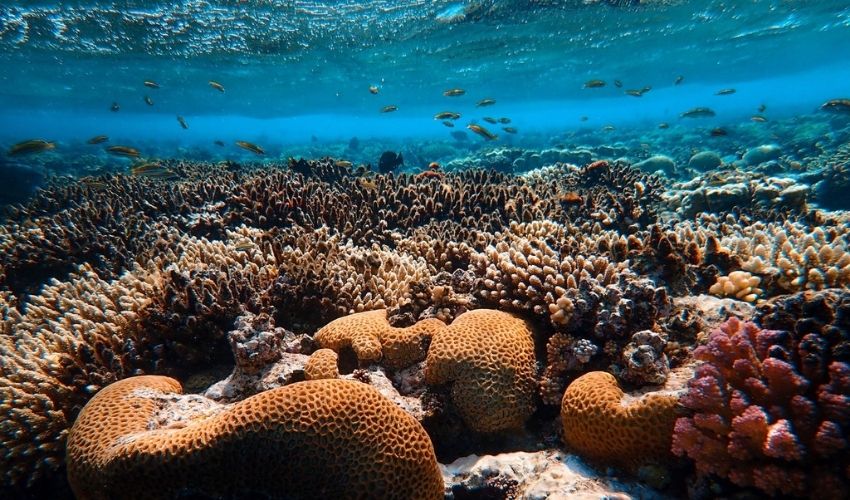
In 2020, a team of scientists from The University of Hong Kong (HKU) launched ArchiREEF, a startup on a mission to restore marine life in the coral reefs near Hong Kong. We previously covered ArchiREEF’s 3D-Printed terracotta tiles but there has been a happy update for the project. Over a period of six months, the team was able to re-populate 4-times the amount of coral, in comparison to traditional concrete methods of coral preservation. As climate change and urban development continue to devastate the biodiversity found in coral, it is a relief to know that ArchiREEF is helping to tackle this global crisis with the help 3D printing technology.
It has been estimated that nearly 90% of all coral will be eradicated over the next 20 years—this is alarming for humans, as these invertebrate animals, known as coral polyps, actually support $200 Billion in the global supply of food and medicine, in addition to protecting coastlines from storm erosion. While ArchiREEF’s 3D-printed tiles have been able to speedily restore coral habitats, coral still requires 3-5 years to mature. “Restoration should be the last resort; we should protect before we restore”, urged Pui Yi Apple Chui, coral restoration researcher at the Chinese University of Hong Kong. That being said, there are a number of restoration projects, including several using 3D printing in some capacity, that are currently active as researchers hope to reverse the damage already done.
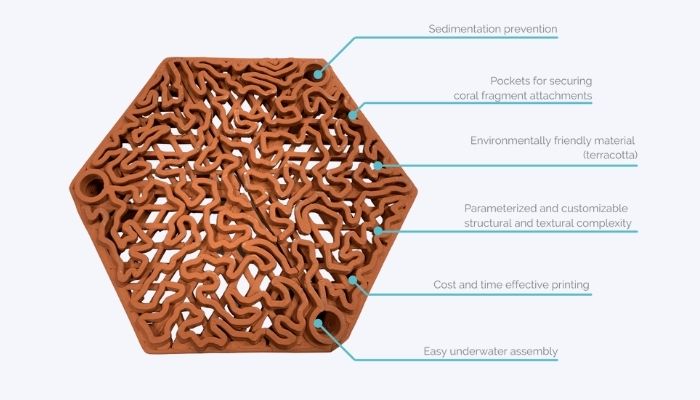
ArchiREEF Coral Restoration in Hoi Ha Wan Marine Park
The 3D-printed coral reef tiles used at the Hoi Ha Wan Marine Park were invented through collaboration between the faculty of architecture and the school of biological sciences at HKU. An algorithm was used to accurately print the biomimicry patterns. The tiles imitate the naturally occurring shape of “brain coral”, platygyra. The cavernous turns on platygyra serve as a great host to marine life that can nest in the valleys or hide from predators.
More from the desk
Six other notes from the rest of the bench.
 NewsThe Sugar Lab 3D Prints Christmas Candy and DecorationsThat’s it, the halls are decked, the gifts are (almost) ready, and the Christmas tree is sparkling. Christmas has never been this close and despite the circumstances, we wanted to share a fitting story. This collection of 3D printed candy…
 NewsHow will the health crisis impact the metal AM market in the next decade?Over recent years, metal additive manufacturing experienced greater growth than other plastic 3D printing processes such as FDM or SLS. Mainly used for prototypes, tooling, and replacement parts, the industry also witnessed this technology being used for production runs of&hellip
 SoftwareSPREAD on Its Mission to Streamline EngineeringThe world of engineering and manufacturing is rapidly evolving, driven by advancements in technologies like 3D printing. In this interview, we sit down with Robert Göbel, co-founder of SPREAD GmbH, a pioneering force in simplifying access to product information through…
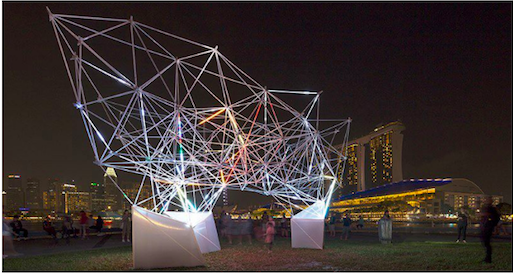 News3D printed art installation installed at the iLight Marina Bay Festival in Singapore3D printing is now taking on the art world with this new mesh-like art installation that was erected for the iLight Marina bay festival in Singapore. Designed by professors Felix Raspall and Carlos Bañón from the Singapore University of Technology…
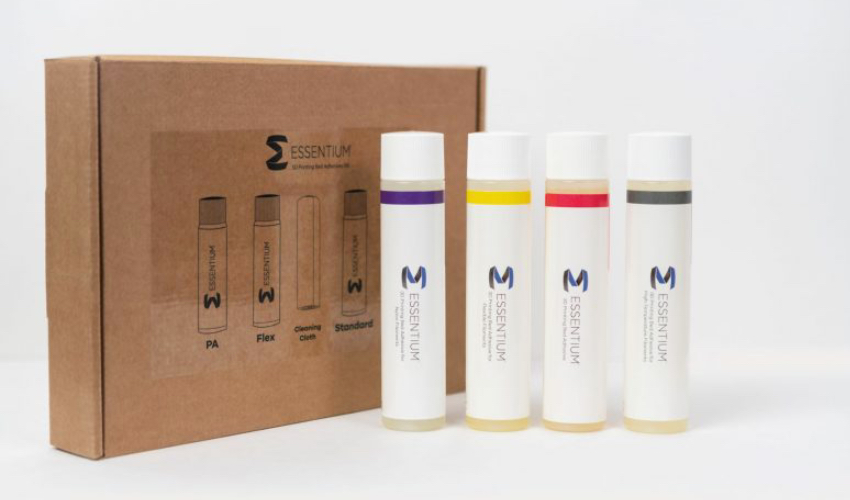 NewsEssentium releases 3D printing adhesives in partnership with Magigoo3D printers based on Fused Deposition Modeling, be it a desktop or an industrial one, typically require an adhesive solution for the print to stick to the print bed. Otherwise, there is a risk of the piece falling, which would obviously…
 MaterialsNew Sustainable Resin for 3D Printing Developed at Penn StatePennsylvania State University, better known as Penn State, has often been cited as being at the forefront of numerous advances in 3D printing technologies, such as recent research utilizing 3D printing in the fight against breast cancer. Now, a team…