News
Using metal additive manufacturing to produce nuclear reactors
BWX Technologies (BWXT) is currently working on the development of metal additive manufacturing technology for nuclear component design in collaboration with the U.S. laboratory in Oak Ridge. The goal is to produce parts from high-temperature alloys and refractory metals for&hell
- 3 min read
- News
- Six more stories
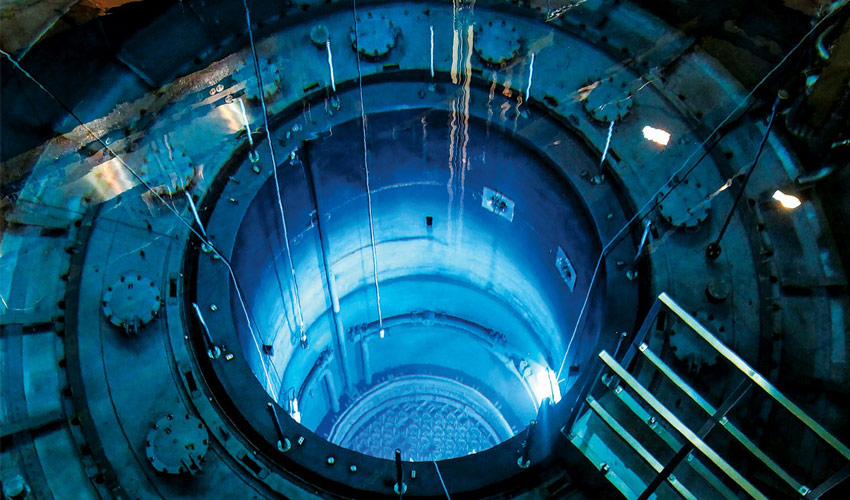
BWX Technologies (BWXT) is currently working on the development of metal additive manufacturing technology for nuclear component design in collaboration with the U.S. laboratory in Oak Ridge. The goal is to produce parts from high-temperature alloys and refractory metals for a nuclear reactor. Thanks to this 3D printing method, the researchers could optimize the components in question, withstanding temperatures of up to 1,482°C (2,700°F), and reaching overall plant efficiencies of approximately 50%.
Back in May, Oak Ridge National Laboratory presented its first advancements in the fabrication of a 3D printed nuclear core, hoping to bring it into service in 2023. This development confirmed the benefits of additive manufacturing in the energy sector, in particular thanks to the directed energy deposition (DED) process, which allows to repair damaged metal parts or to add material to existing components. A few months later, the laboratory approached BWXT to go further in the project, and propose a reliable and sustainable manufacturing method.
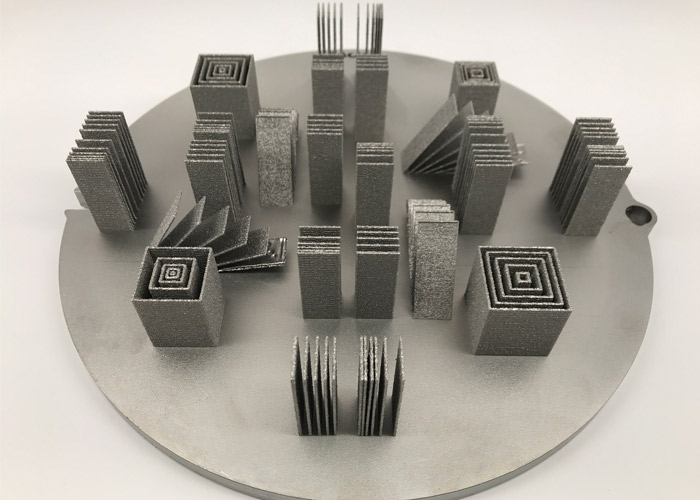
Nuclear reactor parts
3D printed nuclear reactor parts
The teams opted for nickel-based superalloys and refractory metal-based alloys, materials that would enable them to meet the strict requirements and constraints of the nuclear industry. Additive manufacturing gave them the ability to design models with better thermal energy management, increased safety margins and accident tolerant features. By developing a method to model and 3D print complex nuclear components, the team managed to deploy these components quickly while building on the environmental and design benefits of additive manufacturing. Ken Camplin, President of BWXT’s Nuclear Services Group, added, “We have a uniquely talented group of engineers and designers at BWXT. Their work will make it far easier for advanced reactor developers to move forward in dealing with a number of critical technical challenges inherent in many of these designs.”
More from the desk
Six other notes from the rest of the bench.
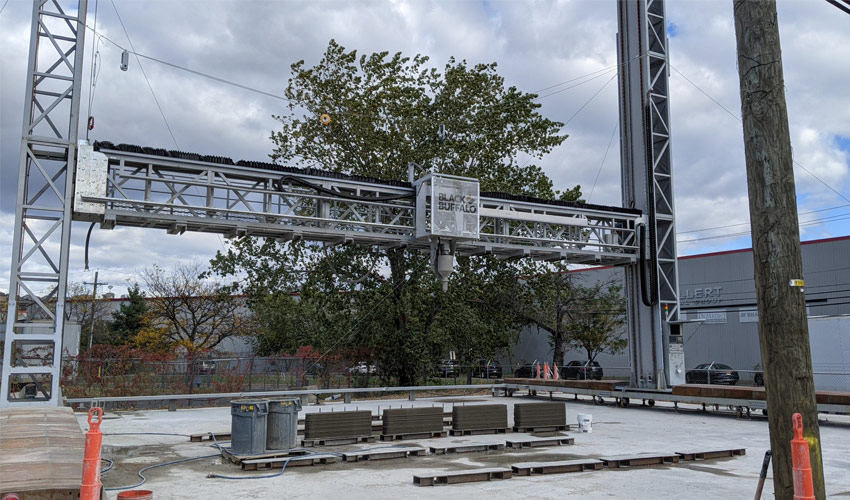 GuidesBlack Buffalo 3D Wants to Reduce Construction’s Carbon Footprint Using 3D PrintingBlack Buffalo 3D is a company specializing in additive manufacturing for the construction industry. It has been working for several years on the development of 3D printers and materials for a demanding market, one in which the environmental impact is…
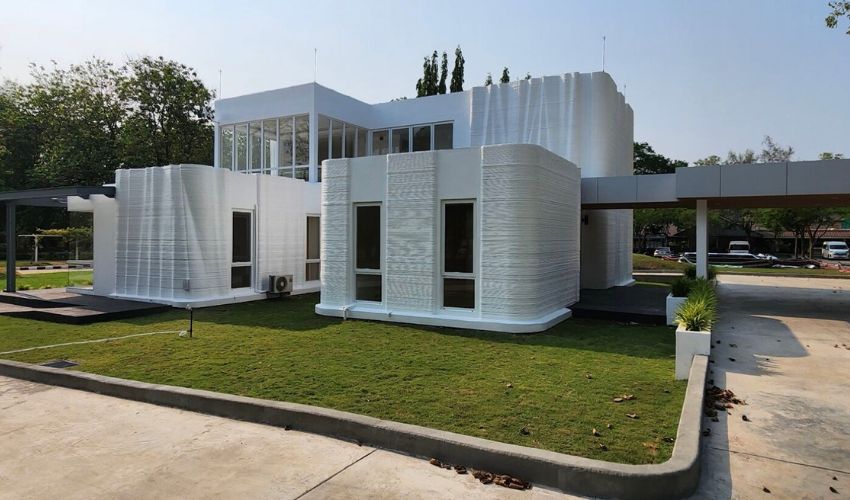 NewsThe First Ever 3D Printed Medical Center Has Been Unveiled in ThailandIn a groundbreaking development, Thailand has witnessed the construction of its first-ever 3D printed medical center. This cutting-edge facility, built by SCG (Siam Cement Group) using COBOD’s BOD2 printer, showcases the immense potential of additive manufacturing in revolutioniz
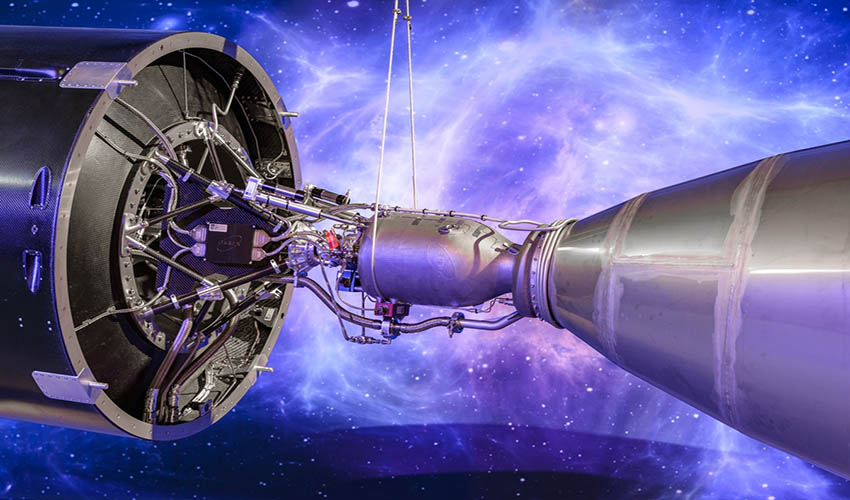 NewsOrbex unveiled largest 3D printed rocket engine in the worldThe British aerospace company Orbex regularly launches small, micro and nano satellites into accurate low Earth orbits. Until now, the company had not drawn much attention to its additive manufacturing activities or developments. However, they recently revealed that they have&hel
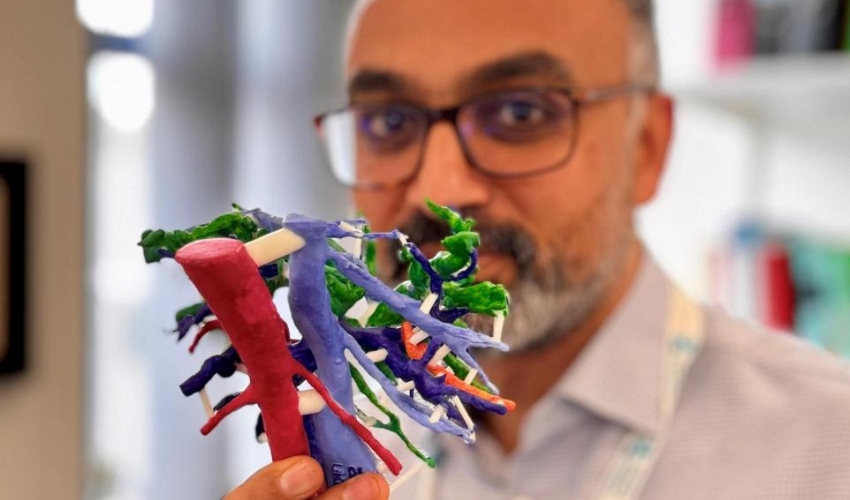 Applications3D Printed Tumor Models Enhance Surgery PrecisionAt Southampton University Hospital, surgeons are turning to the power of 3D printing to craft highly detailed tumor models, generated from CT and MRI scans. This initiative aims to enhance the precision of intricate cancer surgeries, focusing mainly on patients…
 NewsWEBINAR: 2023’s Must-Know Tech Trends in Dental 3D Printing and How to Implement Them in LabsAs the world of digital dentistry continues to evolve and accelerate, it is essential to keep up with the latest trends and advancements and take advantage of them. And considering how fast the sector is growing, with the market already…
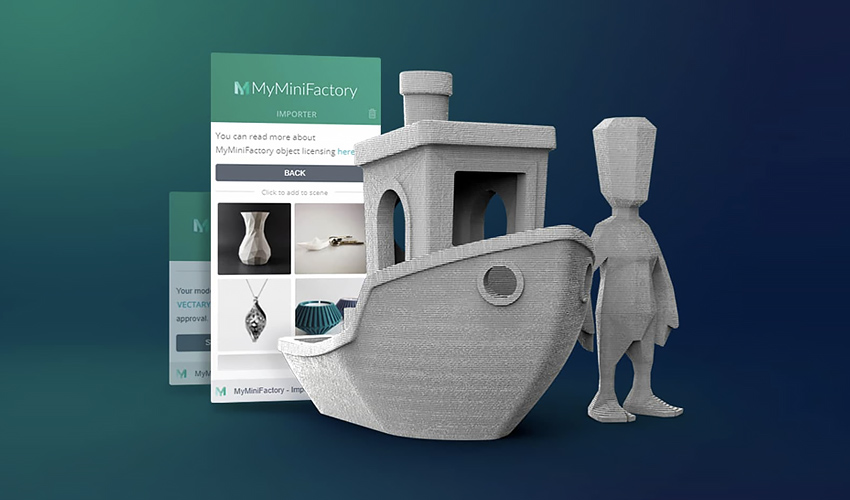 SoftwareMyMiniFactory, The Platform For Guaranteed Printable Free STL FilesWhether hobbyist or professional, anyone using a 3D printer is very likely to be using an STL file to print their project. An STL file, along with a 3D slicer, transmits data from a computer to 3D printer hardware. But…