News
NovaMeat presents version 2.0 of its 3D printed steak
The Barcelona startup NovaMeat has just unveiled version 2.0 of its plant-based 3D printed steak! Having presented its first product to the public last year, the startup has continued to develop and improve on its vegan meat alternative. Its aim…
- 3 min read
- News
- Six more stories
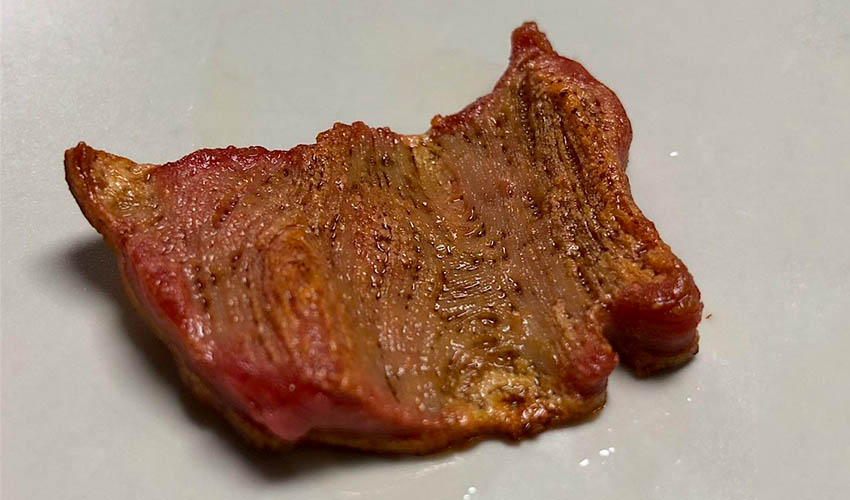
The Barcelona startup NovaMeat has just unveiled version 2.0 of its plant-based 3D printed steak! Having presented its first product to the public last year, the startup has continued to develop and improve on its vegan meat alternative. Its aim is to support a more humane and sustainable global food system through this initiative.
Giuseppe Scionti, the founder of NovaMeat, explained that what is particularly hard to simultaneously achieve with plant-based meat is texture, taste, appearance and nutritional value: the four parameters that define the successfulness of a meat alternative if you will. For example, plant-based ground meat exists, it looks and tastes like mince beef but the texture of meat hasn’t been nailed. To achieve these four parameters, the startup holds a patent on the microstrain that imitates the natural texture of meat tissue. Essentially, NovaMeat’s technology manages to reorganize the nanofibers from vegetables’ proteins to make them seem like animal proteins.
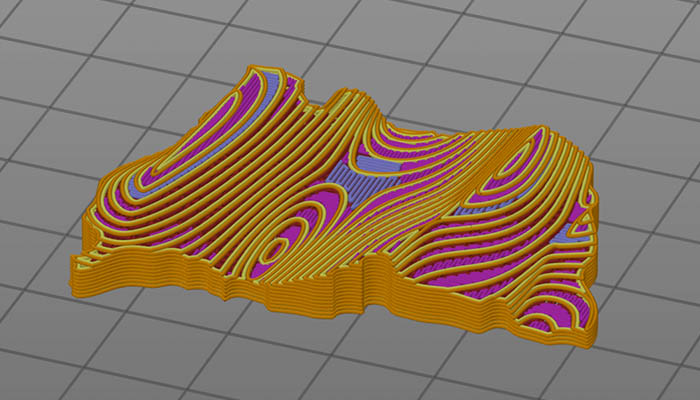
The plant-based meat is modeled on CAD software and later 3D printed | Credits: NovaMeat
An increasing number of companies have been developing meat alternatives, however not many are using 3D printing technologies to do so. Recently, a new version of NovaMeat’s 3D printed steak was unveiled, showing impressive improvements in texture and appearance. Moreover, the startup revealed that costs are also dropping, costing around US$1.5 to produce 50 grams. In terms of ingredients used, the plant-based protein is extracted from rice, peas and algae fibres. Additionally, it contains natural plant-based colourants like paella for appearance, and some fats such as olive, canola and coconut oil in their food paste formulation. The next step will be to make improvements in taste and nutritional value to truly offer an alternative that can compete with meat.
More from the desk
Six other notes from the rest of the bench.
 NewsTop 5 Videos: Formlabs’ Fuse 1, DMLS explained, 3D printed schools and more!We’ve selected the top 5 videos on additive manufacturing and how the industry has influenced our society. This week’s selection covers the latest innovations and applications across many sectors including Formlab’s latest product launch, the first ever 3D print
 MaterialsFilaret is Recycling Cigarette Butts Into 3D Printing FilamentsfiFilaret, an Estonian startup that makes sustainable 3D printing materials, is working with the Estonian government to turn cigarettes discarded on the country’s beaches into filament. According to local authorities in Tallinn, the capital of Estonia, cigarette butts are o
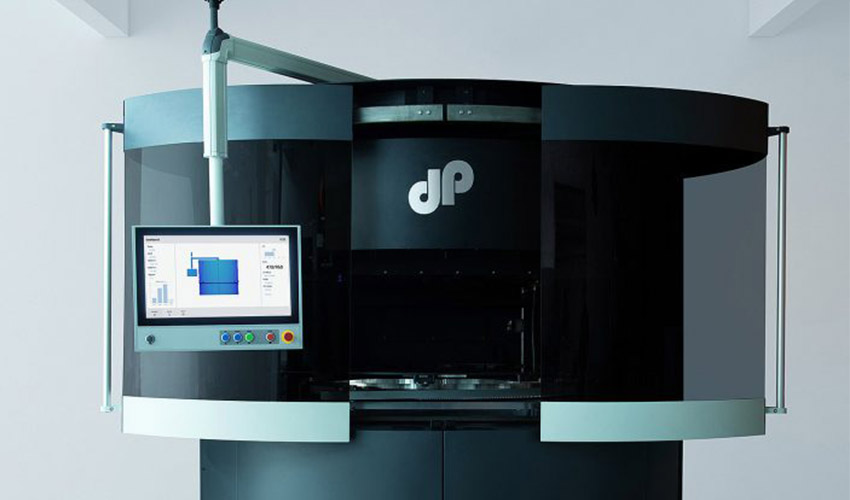 Printersdp polar presents its AMpolar i2 solution for industrial scale productionAt Formnext, 3Dnatives saw for the first time in person the AMpolar i2 from German manufacturer, dp polar. This machine seeks to be an additive manufacturing solution for industrial scale production, it employs the manufacturer’s proprietary technology, called High-Speed Rotative
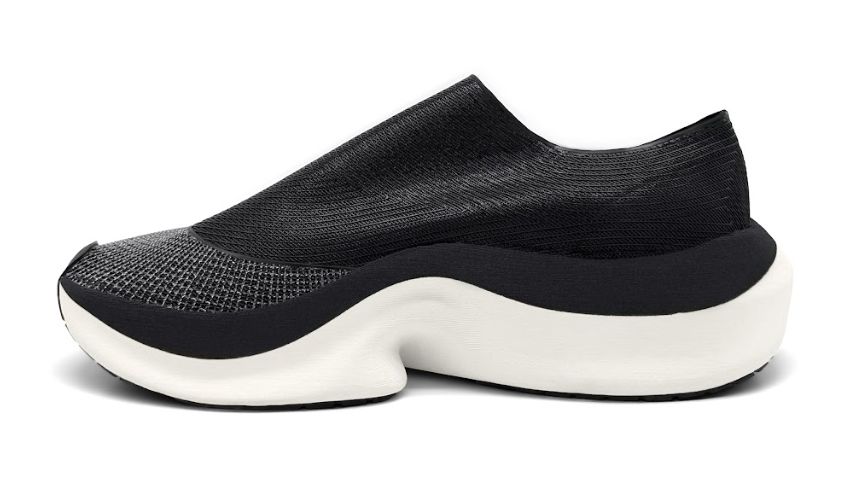 NewsWhale-Inspired 3D Printed Shoe Released by Elastium x LaLaLand3D printed shoes have been circulating in the footwear market for years. From high fashion shoes to running sneakers, we’ve seen many brands, including adidas, Dior, and ASICS, use 3D printing to create innovative products. LaLaLand Production and Design, California’s…
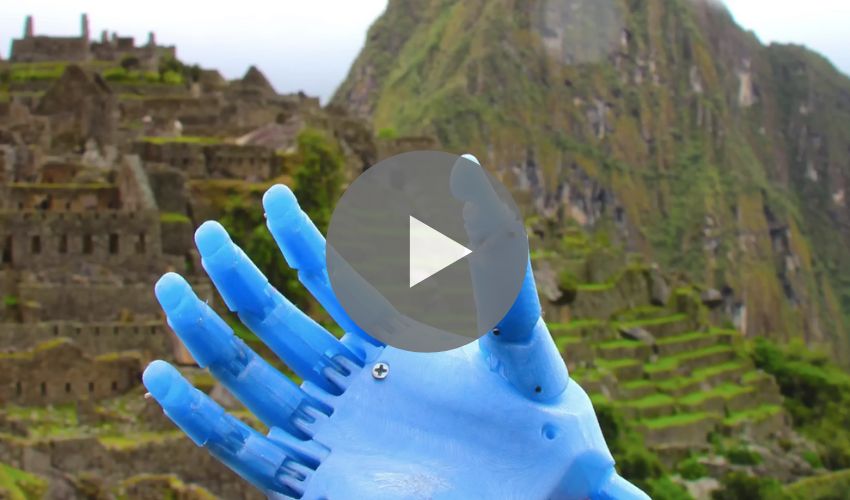 NewsTop 5 Videos: The 3D-Printed Bionics of the FutureIt’s Sunday again and you all know what time it is! It’s time for our selection of Top 5 video right from the exciting world of 3D printing! We start off this week’s selection with an exciting TED talk by…
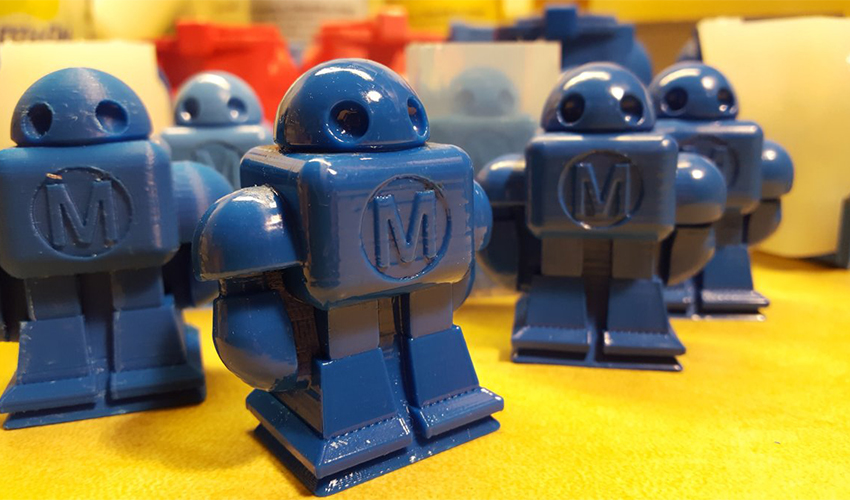 GuidesThe top UK Maker Faires for DIY fans in 2018 and moreWe have in previous weeks collected the biggest and top Maker Faires in the US and Canada. This time we will take a look at what is worth checking out across the pond with the UK Maker Faires and beyond.…