Materials
Maximizing Nitinol Flexibility Through Algorithm-Driven Design and L-PBF
In the world of smart materials, nitinol stands out for its unique functional properties. This nickel-titanium alloy is known for its shape memory and superelasticity. While these capabilities are highly valued in biomedical and aerospace applications, processing nitinol through
- 3 min read
- Materials
- Six more stories
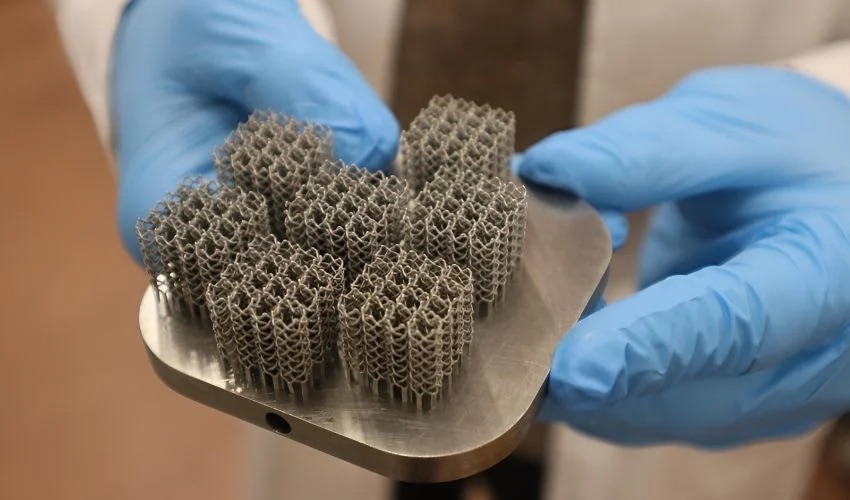
In the world of smart materials, nitinol stands out for its unique functional properties. This nickel-titanium alloy is known for its shape memory and superelasticity. While these capabilities are highly valued in biomedical and aerospace applications, processing nitinol through powder bed fusion (L-PBF) often compromises its mechanical performance. Until now, additively manufactured nitinol parts have shown only about half the recoverable strain compared to components produced by traditional methods.
To overcome this technical limitation, a team from the IMDEA Materials Institute and the Polytechnic University of Madrid (UPM) decided to stop trying to “fix” the material itself and instead optimize its architecture. Their approach focuses on designing intertwined metal structures, or metamaterials, that behave like a textile. Here’s how they achieved it.

Carlo Aguilar holding the 3D-printed metamaterial.
The central problem addressed by the study, published in Virtual and Physical Prototyping, is the mechanical limitation of nitinol after printing. When nitinol is printed, the microstructure of the part often does not match the resilience of conventionally produced material. Instead of searching for a new alloy, the researchers adopted an algorithm-driven design framework to create interlocking metamaterials.
More from the desk
Six other notes from the rest of the bench.
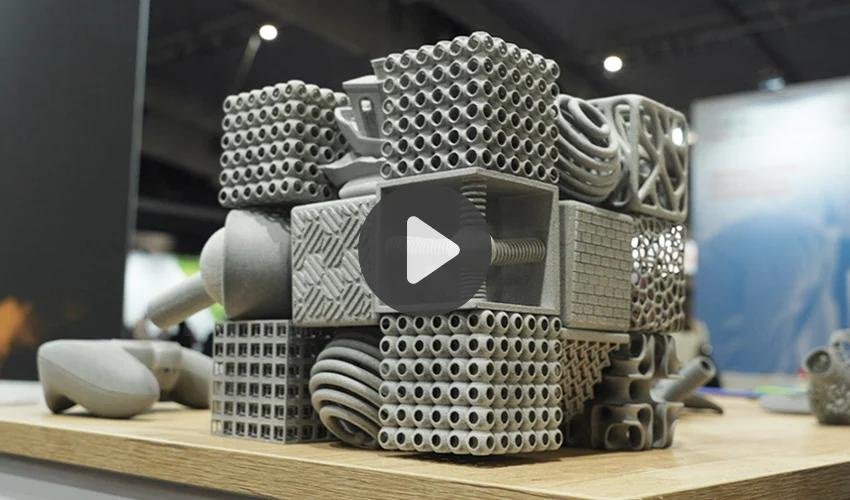 NewsTop 5 Videos: A 360º View of Additive Manufacturing With Excelencia-Tech GroupWelcome to our compilation of this week’s top 5 most compelling 3D printing highlights. We kick off this week’s edition with our very own video, as Excelencia-Tech Group provides an in-depth look at their expansion into the additive manufacturing industry.…
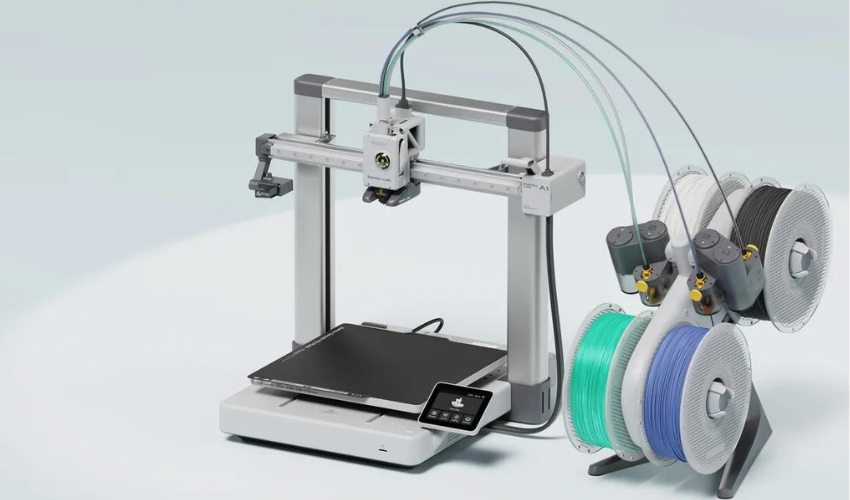 PrintersBambu Lab Issues Update on A1 3D Printer RecallFollowing the initial Bambu Lab announcement of a recall earlier this year, U.S. Consumer Product Safety Commission, has formalized this (5 months later), confirming that it has impacted approximately 12,800 units of A1 3D printers sold before January 30, 2024.…
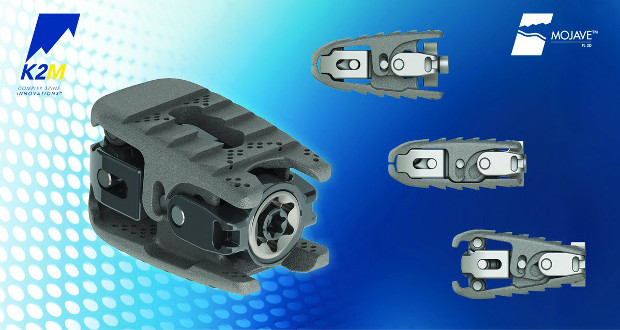 ApplicationsFDA approval for K2M 3D printed spinal implantFollowing a line of 3D printing innovations in medicine this year, such as 3D printed ovaries and skin, the latest medical innovation in 3D printing comes out of the K2M headquarters in Leesburg, Virginia with their announcement of their FDA…
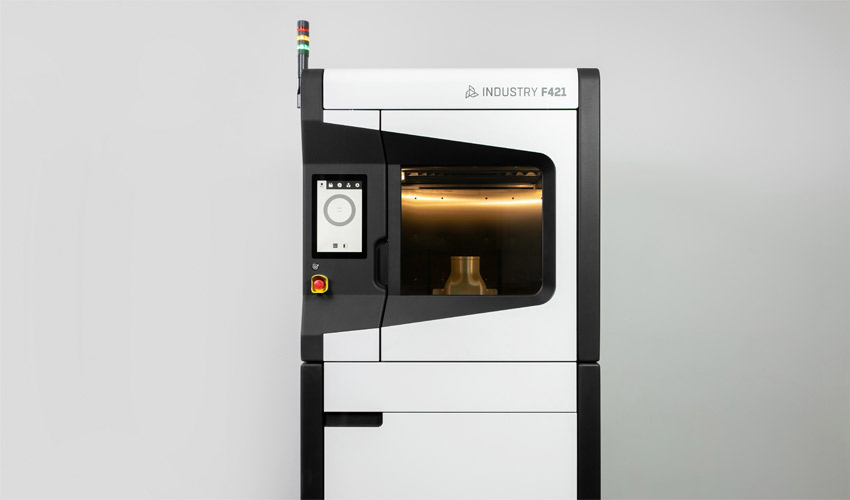 Printers3DGence Focuses on Reliable and Repeatable High-Performance 3D PrintingEuropean manufacturer 3DGence has announced the launch of a new industrial FFF machine which is compatible with high performance materials. Called INDUSTRY F421, it joins the already proven range of printers from the company and seeks to meet the needs…
 NewsAncient Roman Concrete Meets Modern 3D Printing to Save Coral ReefsThe underwater coral reefs of the world are some of our Earth’s most diverse and fascinating, living, breathing ecosystems. Unfortunately due to pollution, climate change and other negative factors, coral reefs are in extreme danger of extinction, with 90% of…
 NewsInfographic: 3D Printing in the Jewelry IndustryAnyone who thinks that 3D printing is only interesting for industry and high-performance applications is wrong! Designers and artists have long since discovered the benefits of additive manufacturing for creative works and we have seen numerous applications for 3D printing&hellip