Materials
New glass 3D printing technique developed at ETH Zurich
Today, additive manufacturing works with multiple different materials, yet glass is one of those materials that remains difficult to work with. Only a few groups of researchers around the world have attempted to produce glass objects using 3D printing technologies.…
- 3 min read
- Materials
- Six more stories
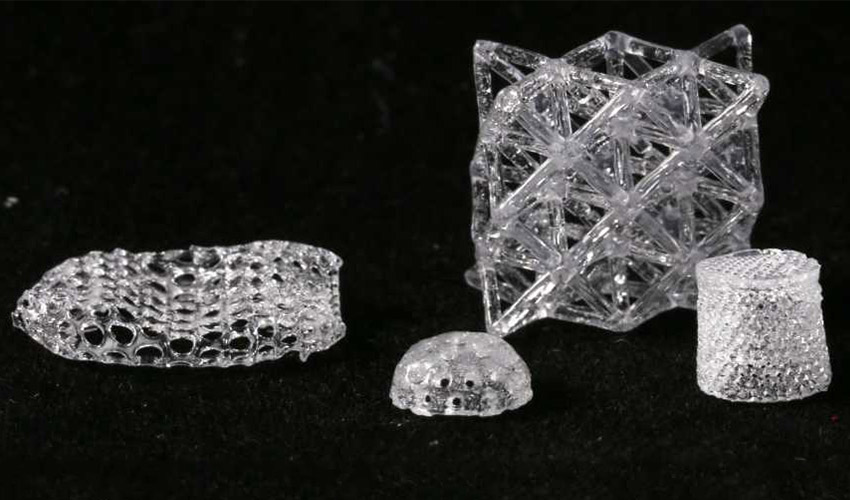
Today, additive manufacturing works with multiple different materials, yet glass is one of those materials that remains difficult to work with. Only a few groups of researchers around the world have attempted to produce glass objects using 3D printing technologies. We can mention a group of researchers from MIT that developed a system named G3DP2. This system was able to create complex geometrical shapes and personalised glass objects. In terms of commercial applications, we can also mention Glassomer, which developed its own glass 3D printing technology. This month, a new technique has emerged from ETH Zurich, this method is based stereolithography and promises interesting applications.
The researchers from ETH Zurich explain that previous techniques have made objects by printing molten glass, or used powdered ceramic particles that can be printed at room temperature and then sintered later to create glass. In the first case, one of the limitations is that extremely high temperatures are needed, consequently so is highly heat-resistant equipment. As for the second technique, it is difficult to achieve complex shapes. This new process on the other hand is based on stereolithography, for which a special resin that contains a plastic and organic molecules to which glass precursors are bonded, was developed.
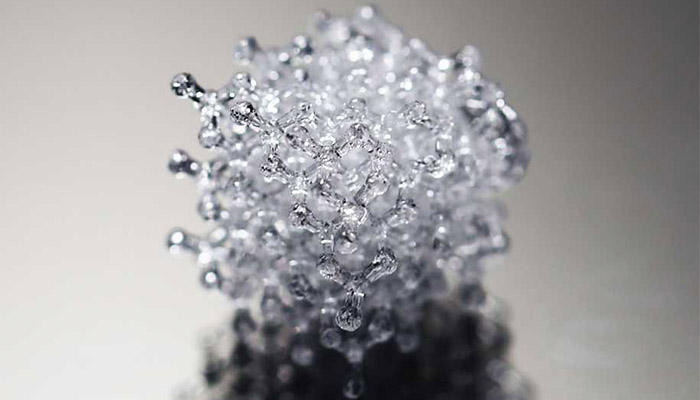
Credits: ETH Zurich
Glass 3D printing, the new process from ETH Zurich
According to this research, the resin developed can be used in commercially available DLP systems. DLP 3D printing works by hardening the resin where the UV light pattern is projected. During this process, the researchers can change various parameters in each layer, including pore size. For example, weak light intensity results in large pores. Additionally, by mixing silica with borate or phosphate and adding it to the resin, complex objects can be built from different types of glass – or even combine these types together.
More from the desk
Six other notes from the rest of the bench.
 NewsFor the first time, a 3D printed house is listed on AirbnbFor several years now, Airbnb has been one of the preferred choices for tourists when they go on vacation. The platform, which allows individuals to rent out their apartment or house, has been so successful that it is now considered…
 NewsTenants of the First Ever Dutch 3D Printed Home Are Moving InOn Friday, April 30th, the owners of the first ever Dutch 3D printed home have just received its key. Situated in the Eindhoven neighborhood of Bosrijk, the house is the first of five within ‘Project Milestone’. The home is the…
 NewsCaltech Progresses Research Into Nanoscale 3D Printed MetalsWhen it comes to 3D printing even the largest structures, understanding the smallest details or imperfections can prove the difference between success and failure. In order to better understand how 3D printed objects perform in the nanoscale, researchers from the…
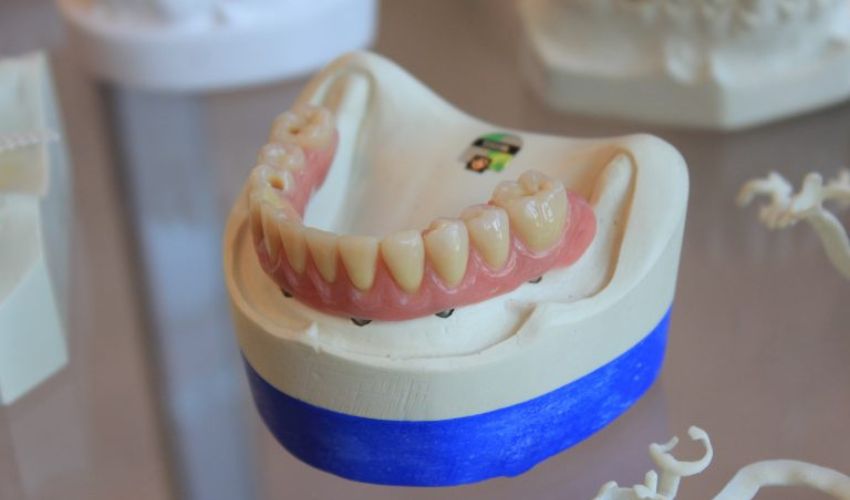 Applications3D Printing For Better and More Affordable DenturesA researcher at the University of Leeds has been awarded a grant of £247,552 (approximately $290,000) for research on the use of 3D printing for dentures. Dr Andrew Keeling has been leading the study since 2018 and aims to discover…
 ApplicationsThe DS 3 Dark Side, a unique design created with the help of AMPSA Group, a French automotive manufacturer, has unveiled a new, special series called the DS 3 Dark Side. This new car was designed in part thanks to additive manufacturing, bringing a look of class and modernity to the automotive industry.…
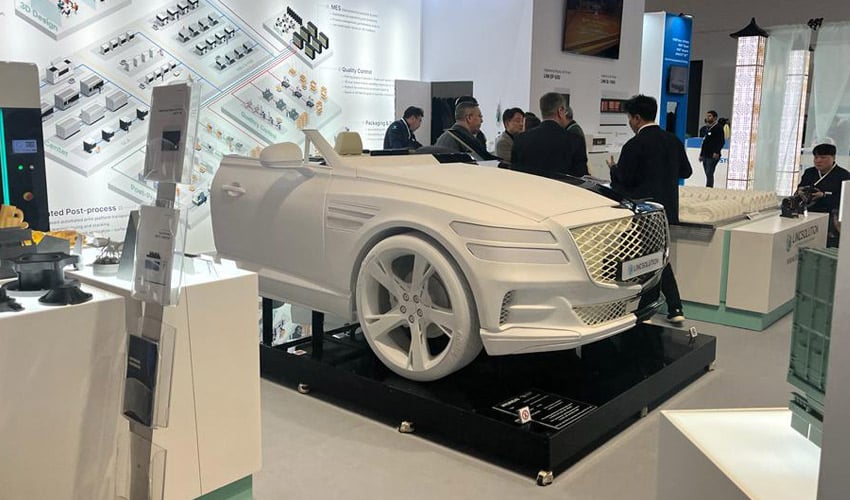 ApplicationsMobility and Sustainability Take the Stage at Formnext 2023Wherever you went around the Formnext expo in Frankfurt this year, you heard similar buzzwords: automation, mobility and sustainability are some that could be picked up several times – in every industry. We took a closer look and asked around…