Applications
New Bioprinting Technique Prints Tissue 10 Times Faster
In the medical field, in addition to applications such as the creation of prostheses or the optimization of surgical procedures, 3D printing is also opening up new perspectives for research. For example, it can be used to design replicas of…
- 3 min read
- Applications
- Six more stories
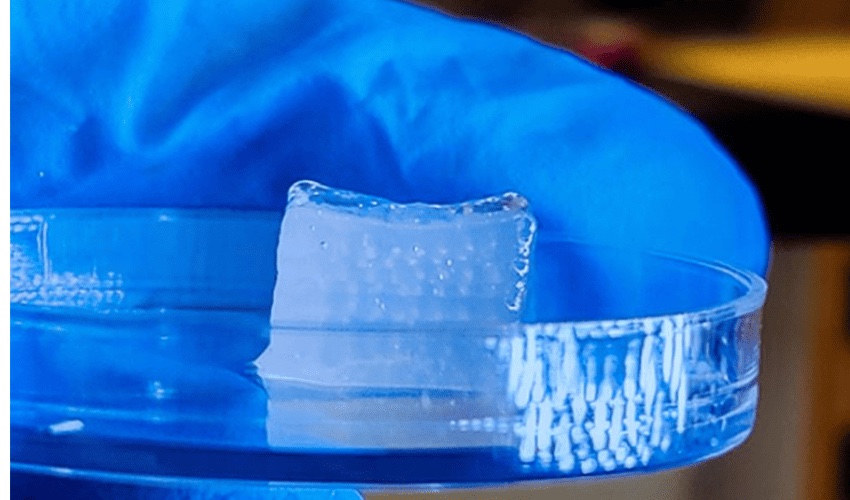
In the medical field, in addition to applications such as the creation of prostheses or the optimization of surgical procedures, 3D printing is also opening up new perspectives for research. For example, it can be used to design replicas of human tissues, opening up new opportunities in the field of healthcare such as the manufacture of organs for transplantation, the study of diseases and the development of new treatments. However, despite advances, this field remains hampered by current technologies which are incapable of producing dense tissue on a large scale.
Faced with this challenge, researchers at Penn State University in Pennsylvania have developed a bioprinting method based on the use of cellular spheroids (groups of cells). This approach makes it possible to manufacture complex tissues with precision and speed, reaching speeds ten times faster than traditional techniques. According to the team, this breakthrough represents a decisive step towards the creation of functional tissues and organs, opening up new possibilities for regenerative medicine.
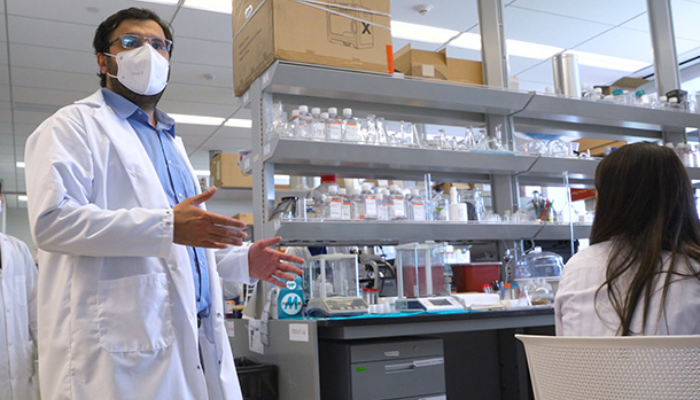
A Breakthrough in Bioprinting Towards Faster, More Viable Tissues
Bioprinting offers scientists the possibility to create 3D structures using living cells combined with various biomaterials. The cells multiply and grow to form 3D tissue in a matter of weeks. “This technique is a significant advancement in rapid bioprinting of spheroids,” explains Ibrahim T. Ozbolat, professor at Penn State University. He adds that this technique enables tissue to be produced more quickly and efficiently than current methods, while maintaining high cell viability.
More from the desk
Six other notes from the rest of the bench.
 News3D Factory Incubator Has Already Supported 55 3D Printing ProjectsIn early March of this year, the 3D Factory Incubator completed its second year in operation. It is the first European high-tech 3D printing incubator, housing the most promising initiatives and projects committed to disruptive technologies as the basis of…
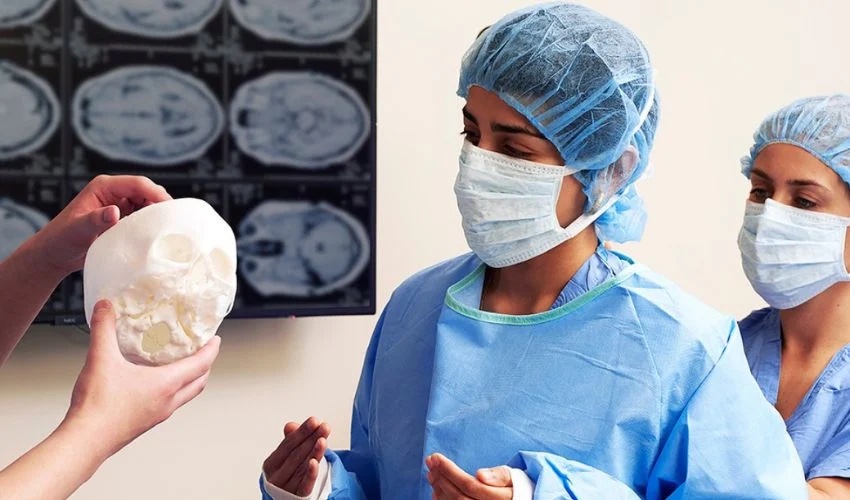 ApplicationsThe Integration of 3D Printing in HospitalsOver the years, 3D printing has gradually made its way into the medical field. Orthopedics, ophthalmology, dentistry and traumatology are just some of the specialties that are now using the technology to optimize their activities. And for good reason. Because…
 ApplicationsHow is Additive Manufacturing Being Adopted in Defense?When it comes to the military, flexibility and innovation are key in ensuring the success of operations in all corners of the globe. Indeed, when we think of military personnel one of the underlying characteristics of their actions is rapidity,…
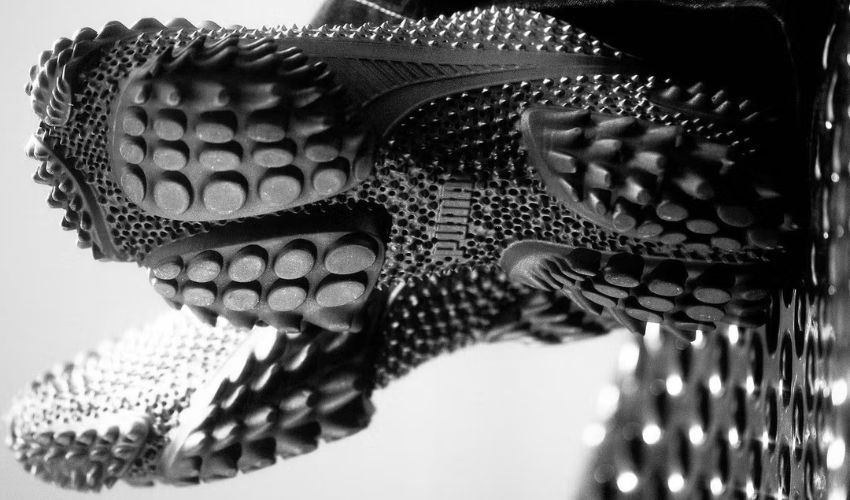 News3D Printed Revival of PUMA Mostro Sneaker Shown at New York Fashion WeekTime and again, we have seen manufacturers design and develop 3D printed shoes. Now, famed shoe designer Puma has also jumped on the additive manufacturing bandwagon. At New York Fashion Week, the company presented a 3D-printed version of its Mostro…
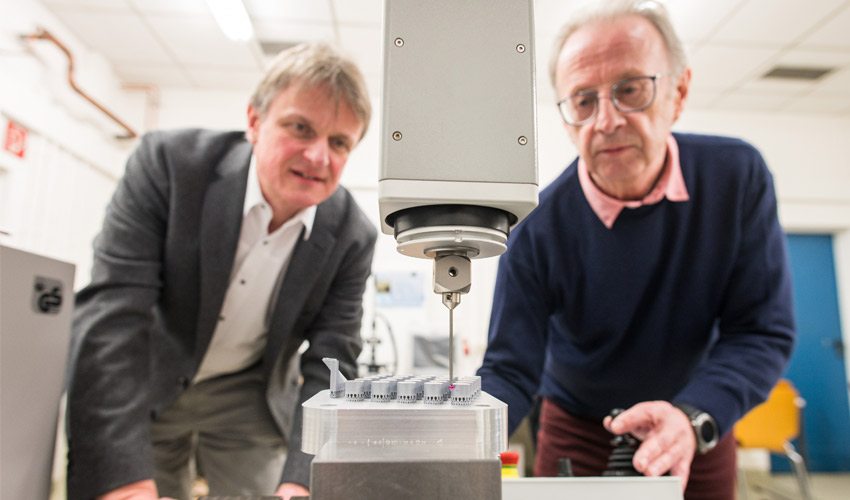 NewsResearchers improve accuracy of 3D printed metal parts with electric currentAs metal additive manufacturing grows, it is not always easy to obtain high quality, high precision parts for specialized and demanding applications. That’s why a team of researchers at Saarland University in Germany has developed a non-contact process based on…
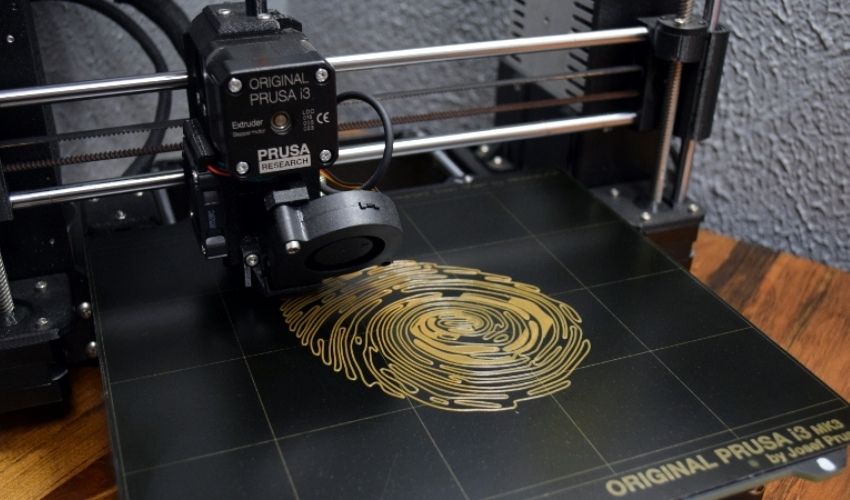 News3D Printer ‘FingerPrint’, ThermoTag, Can Trace Illegal 3D Printed Items3D printing has encouraged rapid and significant development across several sectors. As a key component of industry 4.0, the technology has had an irreversible impact not only on how manufacturing is enacted but also on how it is conceptualized. Thanks…