Applications
NASA Develops 1000 Times Stronger Metal Alloy Using 3D Printing
A team of researchers at NASA has developed a new metal alloy called GRX-810, that is 1000 times stronger than any previously developed alloy. Probably even more interesting is the fact that for this project, the team of professionals relied…
- 3 min read
- Applications
- Six more stories
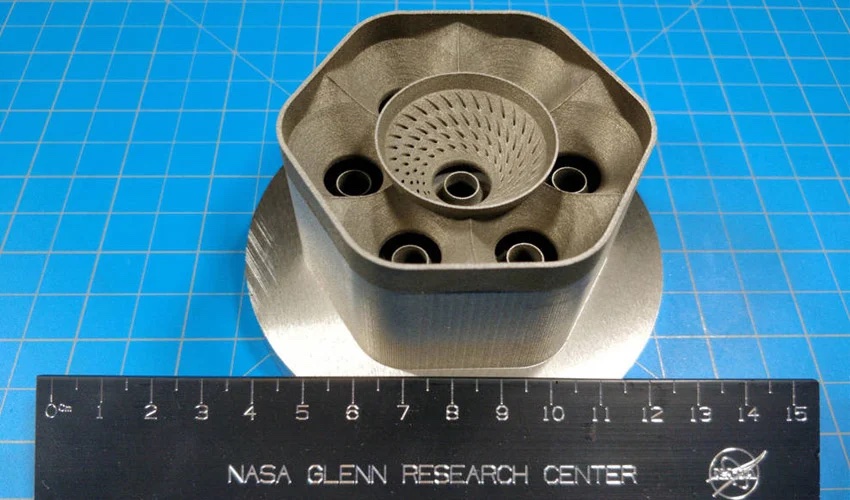
A team of researchers at NASA has developed a new metal alloy called GRX-810, that is 1000 times stronger than any previously developed alloy. Probably even more interesting is the fact that for this project, the team of professionals relied entirely on 3D printing. To be more specific, additive manufacturing was used to uniformly disperse nanoscale oxides in the alloy, providing better thermal and mechanical properties. That results in the material having the ability to withstand temperatures up to 1,093°C (1999.4 °F) and could have a significant impact on the manufacturing of, for example, rocket engines.
The metal alloy was strengthened by oxide dispersion, a method in which small oxide particles are scattered into a metal matrix to increase its strength, heat resistance and ductility. Although NASA hasn’t revealed what metal was originally used, in most cases applying this technique, nickel or iron-aluminum alloys are used. Regarding oxide dispersion, it is also important to mention that the process is usually very time consuming and expensive. However, by relying on additive manufacturing and thermodynamic modeling, the team was able to significantly reduce time and cost, and also claims to have discovered the optimal alloy composition in just 30 simulations.
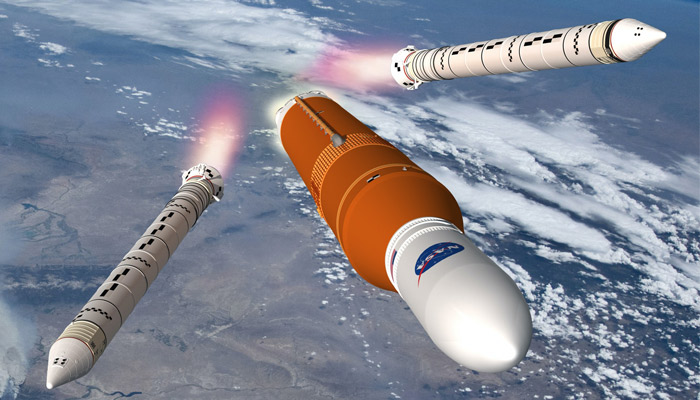
The new alloy could impact the manufacturing of some rocket parts (photo credits: NASA)
Development and Characteristics of NASA GRX-810
The researchers at NASA used very accurate computer models to determine the composition of GRX-810, particularly in terms of the amount of oxides used. They then used 3D printing to uniformly inject the nanoscale oxides. While the exact process has not been revealed by NASA, this type of dispersion allowed them to quickly and inexpensively obtain a durable alloy, that was more moldable and could withstand extreme temperatures. Its strength was also significantly increased. According to the team, GRX-810 is up to 1,000 times stronger than materials developed in the past. Dale Hopkins, deputy project manager of NASA’s Transformational Tools and Technologies project, added, “This breakthrough is revolutionary for materials development. New types of stronger and more lightweight materials play a key role as NASA aims to change the future of flight. Previously, an increase in tensile strength usually lowered a material’s ability to stretch and bend before breaking, which is why our new alloy is remarkable.”
More from the desk
Six other notes from the rest of the bench.
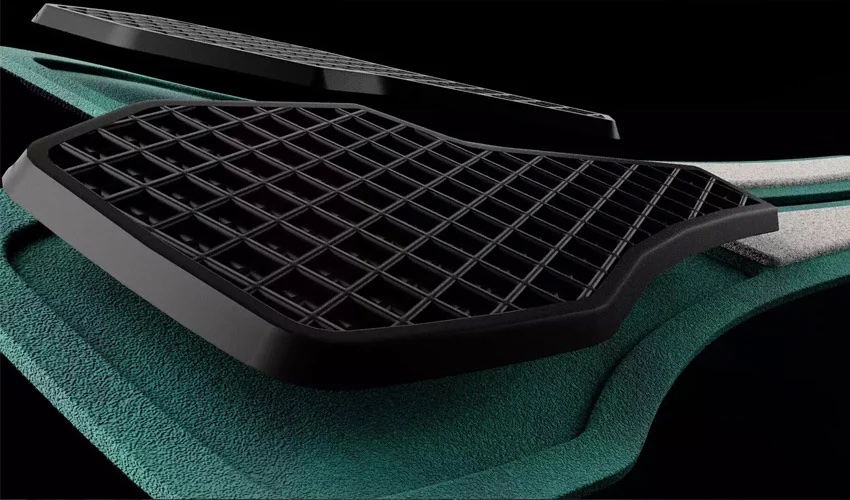 News3D Printed Inserts That Maximize Comfort for CyclistsBased in Treviso, Italy, Elastic Interface has used additive manufacturing for the first time to design chamois for cyclists, i.e. inserts that are placed inside the shorts to maximize rider comfort. Called NX3, these inserts have a unique design and…
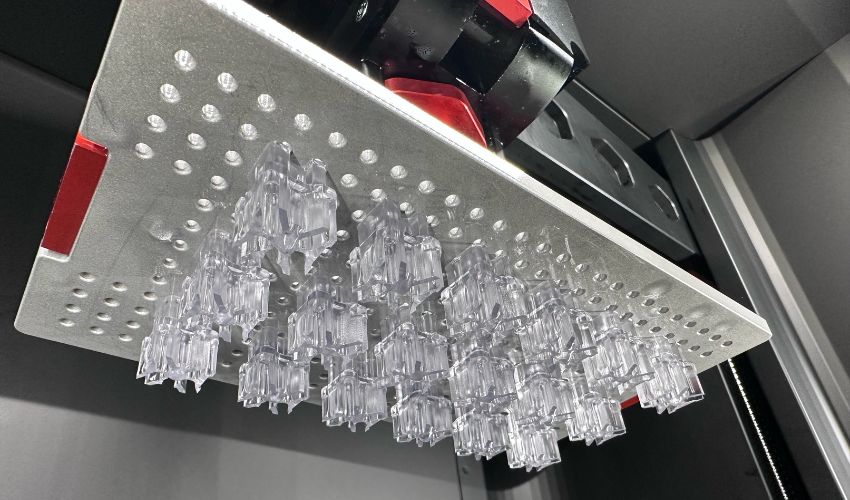 PrintersThe Lumia X1 Is Overcoming Limitations in Resin 3D Printing With an Innovative Hybrid ProcessSince stereolithography, the first additive manufacturing technology, was invented in the early 80s, there has always been a place for resin 3D printing in the sector. Currently, a number of different variations exist but the two most common remain DLP…
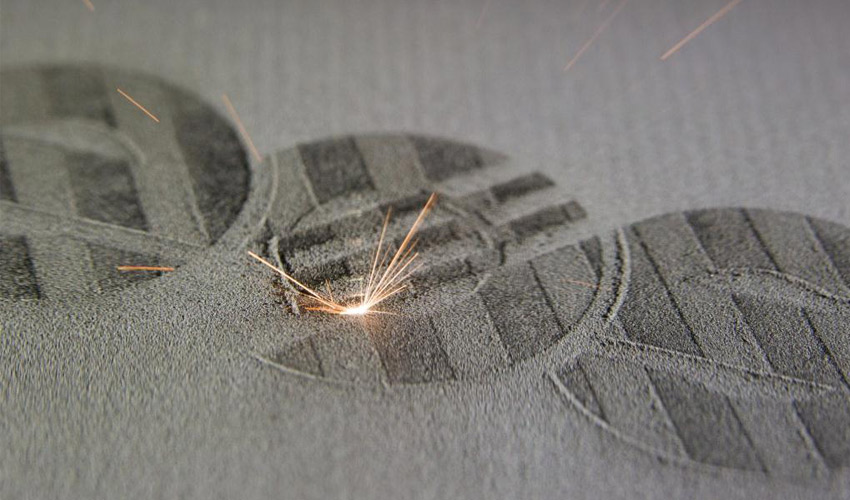 NewsGerman manufacturer EOS acquires Vulcan LabsThe German manufacturer, EOS, producer of systems for the additive manufacturing of components in metal and polymers has announced the acquisition of Vulcan Labs. Vulcan Labs spun out of Stratasys last year. The spin-off from Stratasys specialises in powder bed…
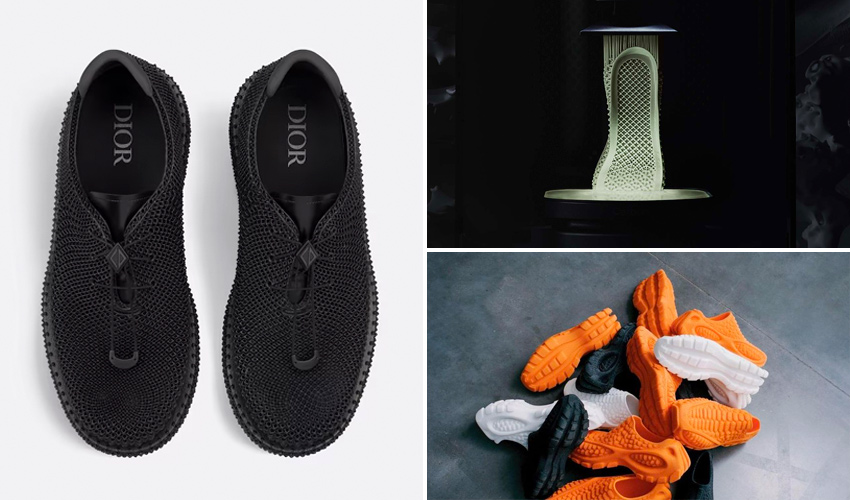 Guides3D Printed Shoes: What’s Available on the Market Today?Additive manufacturing is a technology that offers a multitude of advantages in footwear production, the most important being the possibility of customizing the final product. Due to this, the global 3D printed footwear market will reach a value of $1.97…
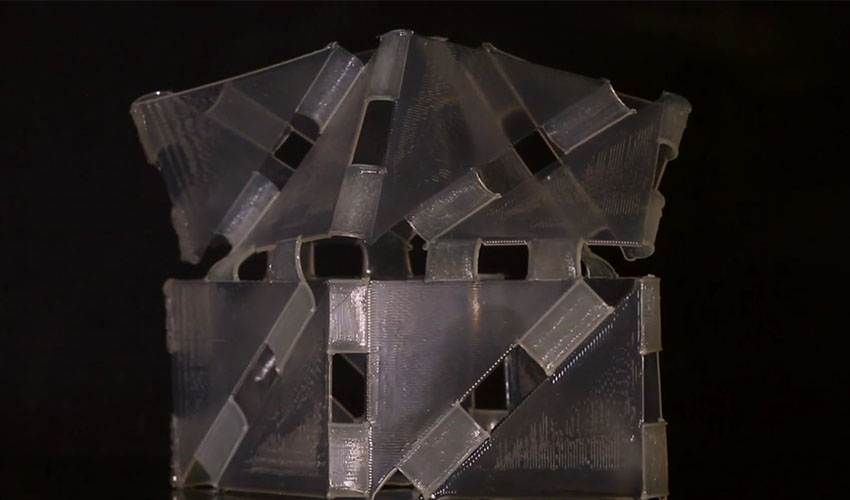 Materials3D printed soft robots can fold like origamiSoft robotics is one of the subfields of robotics dealing with constructing robots from highly compliant materials, similar to those found in living organisms. This field looks at the way in which living organisms move and adapt to their surroundings…
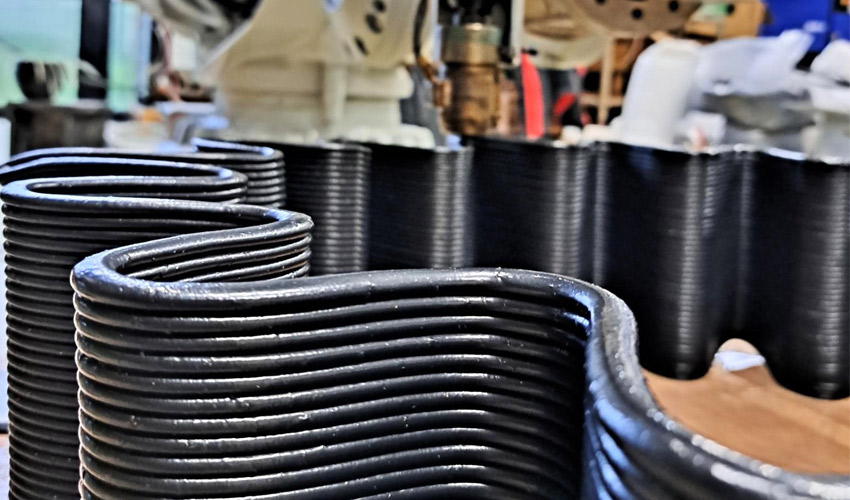 Guides#3DStartup: POOLP Gives New Value to Plastic Waste Thanks to 3D PrintingWe start the year 2023 with a subject that is more relevant than ever in today’s society, namely our environmental impact and the preservation of our planet. It is no secret that additive manufacturing is one of the ways to…