Guides
Nanoe on Democratizing Ceramic and Metal Desktop Additive Manufacturing
An expert in developing raw materials for the ceramics industry since 2008, French company Nanoe entered the additive manufacturing market in 2018 with its first line of ceramic filaments. Compatible with FDM machines, they enable the design of durable parts…
- 3 min read
- Guides
- Six more stories
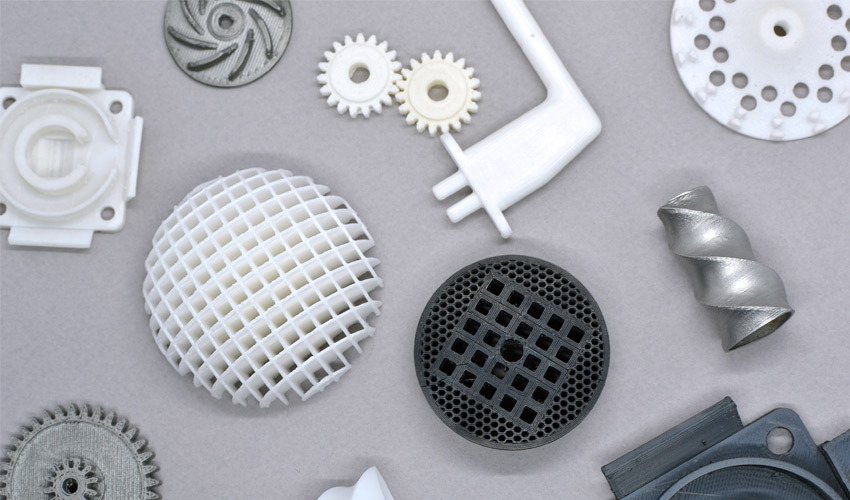
An expert in developing raw materials for the ceramics industry since 2008, French company Nanoe entered the additive manufacturing market in 2018 with its first line of ceramic filaments. Compatible with FDM machines, they enable the design of durable parts that are resistant to high temperatures. The manufacturer then expanded its offer by tackling the metal market: today, Nanoe offers five different filaments and a turnkey solution to develop desktop ceramic and metal 3D printing. We met Guillaume de Calan, co-founder of the company, to learn more about its ambitions and projects.
3DN: Can you introduce yourself and Nanoe? What is its core business?
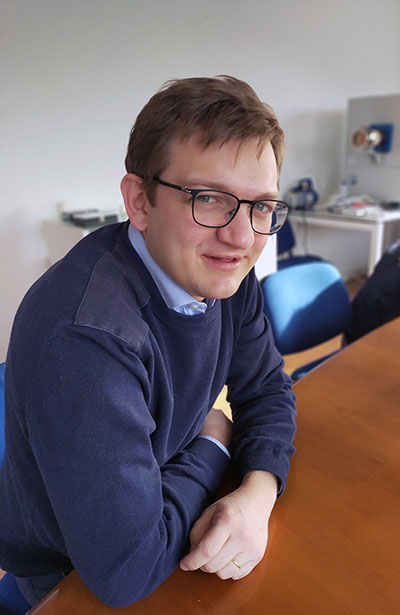
Guillaume de Calan
Hello, my name is Guillaume de Calan and I am an engineer by training. I studied at Centrale Paris, where I met my partner and together we created a spin-off called Nanoe in 2008. Today, the company manufactures raw materials for the technical ceramics industry. Our powders are high-end materials for industrial customers who need to manufacture all types of parts, whether by pressing or injection processes.Historically, Nanoe is a specialist in ceramic powders but we saw in 3D printing an interesting opportunity for growth.
3DN: In 2018, you launched your Zetamix range: why did you decide to start a business in additive manufacturing?
Our goal is to offer ready-to-use products that are affordable and accessible, compatible with our customers’ machines. Additive manufacturing fits right in with this logic and so in 2018, we launched a range of filaments for ceramic 3D printing. The idea was to make our powders available for extrusion processes. Since we know how to do injection, we thought we could develop filaments, the associated skills are quite similar.
More from the desk
Six other notes from the rest of the bench.
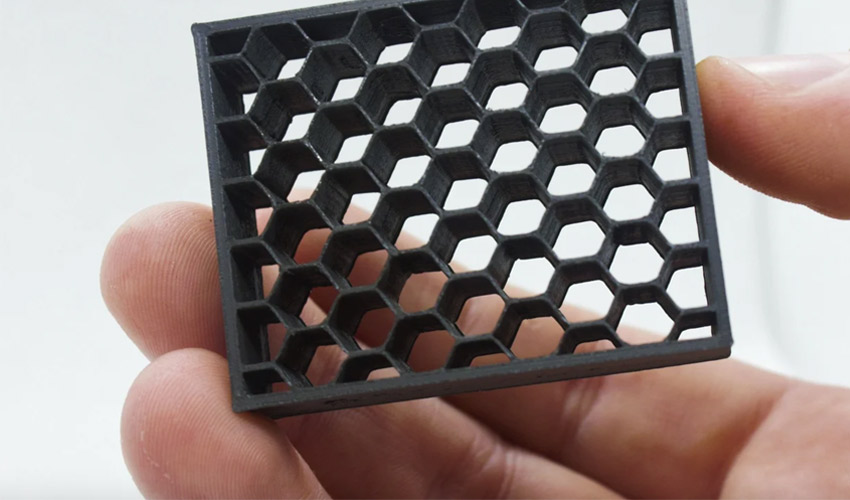 MaterialsA filament based on boron carbide, one of the hardest materials on the marketAdditive Composite and Add North are two Swedish companies that have worked together to develop a composite filament based on boron carbide, one of the hardest materials on the market after diamond and cubic boron nitride. Marketed under the name…
 ApplicationsLondoner Becomes the First to Receive 3D Printed, Functional HandThe landscape of prosthetics has been rapidly evolving, seeing many technological advancements since its collaboration with 3D printing. Against this backdrop, a hand amputee from London has recently become the first individual to benefit from Open Bionic’s cutting-edge 3D
 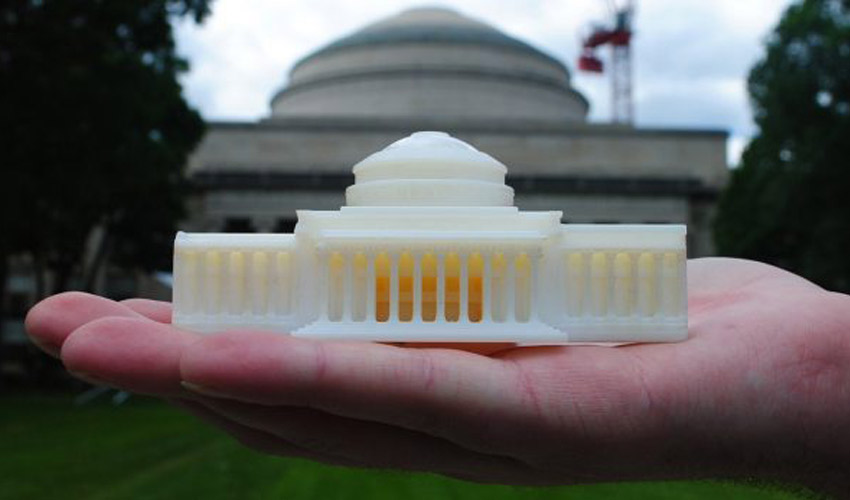 NewsMIT launches ADAPT; A consortium dedicated to additive manufacturingThe American research institute MIT announced the creation of a consortium dedicated to additive manufacturing called ADAPT (for Additive and Digital Advanced Production Technologies). The goal of this business association is to identify visionary research, scalable education pla
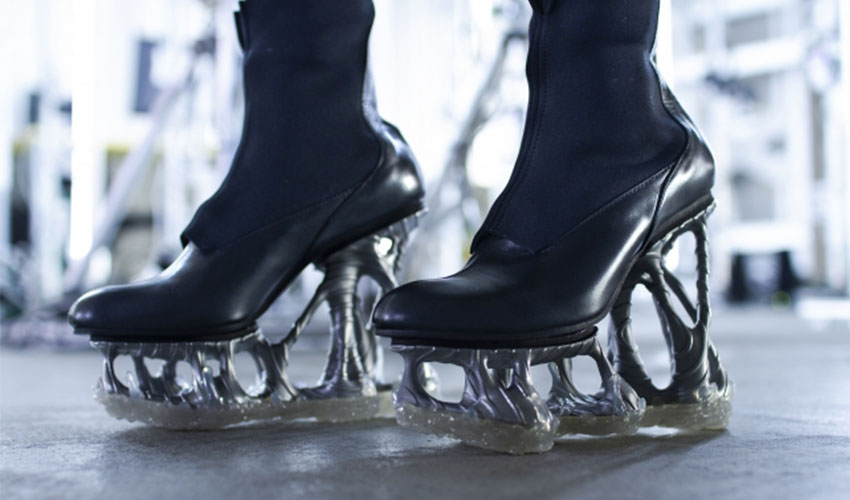 NewsFormless Generative Design Heels from JapanThe Japanese design lab, Digital Artisan has partnered up with chemicals company, JSR Corporation and Castem, a manufacturer of precision casting parts to create the ‘Formless’ high heel shoe using the M2 3D printer from Carbon. Director of Digital Artisan,…
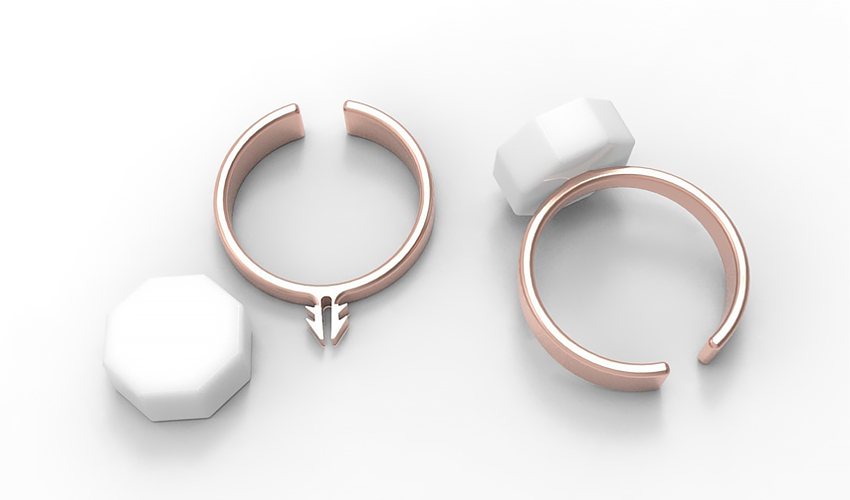 Applications3D printed soap ring to use during activities away from homeDuring the global health pandemic, many initiatives emerged to prevent the spread of the virus. In particular, additive manufacturing helped to reduce the spread thanks to some properties offered by the technology, such as copper 3D printing on high touch…
 NewsSIEMENS announces plans for a new online platform to bring additive manufacturing to a global scale3D printing is quickly becoming the go to technology for many companies and manufacturers around that world. That’s why it’s no surprise to hear that the Germany based company, Siemens has made an announcement at Hannover Messe 2017 of their plans…