News
MYCO ALGA: 3D Printed Organic Tiles for Natural Aesthetics
Tiles made from fungi, algae and waste – the first impression may evoke skepticism and disgust, but behind this is a unique sustainability concept based on innovative technologies and sophisticated algorithms. The London and New York-based research and design studio…
- 3 min read
- News
- Six more stories
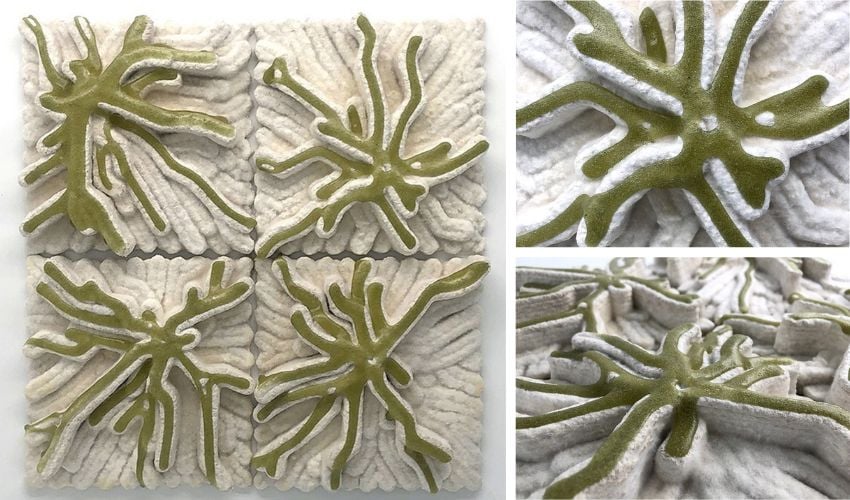
Tiles made from fungi, algae and waste – the first impression may evoke skepticism and disgust, but behind this is a unique sustainability concept based on innovative technologies and sophisticated algorithms. The London and New York-based research and design studio bioMATTERS specializes in the development of bio-digital products, textiles and material systems. It uses living cells, fungi, algae, bacteria and various waste products from natural resources. The aim of designers Nancy Diniz and Frank Melendez is to respond to the challenging climate situation with innovation and to manufacture new products on a sustainable basis. One such product is the MYCO-ALGA tile system. When put together, the individual tiles create a continuous pattern of cream and green tones for a nature-like indoor ambiance.
For bioMATTERS, aesthetics and design are the top priorities of a product. Nevertheless, with MYCO-ALGA the designers not only want to promote bio-aesthetics, but also ecological practices. By demonstrating the possibilities of waste and natural organisms in product development, they want to stimulate the shift towards biomaterials. With MYCO-ALGA, they have succeeded in creating a 100% biodegradable end product that incorporates many technological elements and mathematics alongside its organic materials. Computer-aided design, robot-controlled production, cultivated and dyed by microbes – that’s MYCO-ALGA in a nutshell.
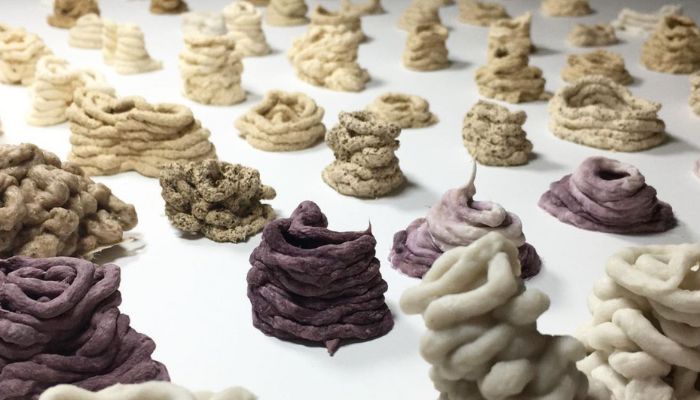
bioMATTERS is experimenting with the production of biodegradable pastes based on fungi, cell cultures, bacteria and waste.
The manufacturing process is in fact a multi-layered procedure. The tiles are first digitally designed using algorithms and then 3D printed into shape. A paste based on household and industrial waste is used as the building material. This paste in turn forms the basis for the growth of a fungal network, namely mycelium. Once the tiles have been printed from this material, they are cultivated in a climate-controlled environment for around two weeks so that the mycelium grows on the tile, spreads naturally and surrounds the entire surface of the tile, holding it together. To stop the growth, the tiles are placed in an oven, where drying and dehydration begin. This makes the tile light and durable.
More from the desk
Six other notes from the rest of the bench.
 NewsSculpteo Study Shows that Additive Manufacturing is Making its Mark on IndustryFor the 7th year in a row, printing service Sculpteo has released its study, The State of 3D Printing, which highlights additive manufacturing users around the world. This year’s report is a little different since it also looked at the…
 ApplicationsStewart-Haas Racing Partners with 3D Systems for Enhanced Mustang Dark HorseStewart-Haas Racing has continually sought innovative methods to enhance their vehicles’ performance in the highly competitive NASCAR series. In line with the emerging trend of leveraging additive manufacturing within motorsports, Stewart-Haas Racing has announced their col
 SoftwareAstroPrint Allows You to Control the 3D Printing ProcessAstroprint is a software platform designed to help users to manage 3D printers It was launched in 2015, and is available through applications like Google Play and the Apple Store. It is open source, free and available on all operating…
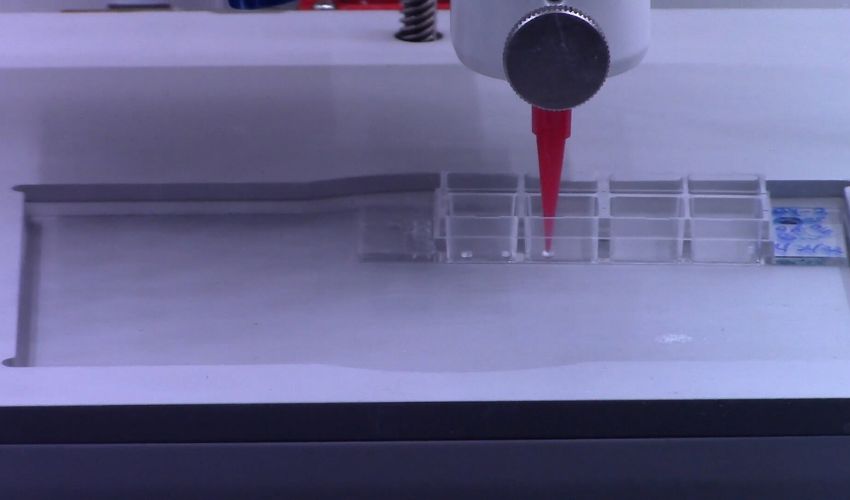 NewsStudy Suggests Benefits of 3D Bioprinting In Plant Cell ResearchA recent study from North Carolina State University experimented using 3D bioprinting to produce plant cells in order to assess the use of the method in biological research. They produced Arabidopsis- (thale cress; often used in genetic research) and soybean…
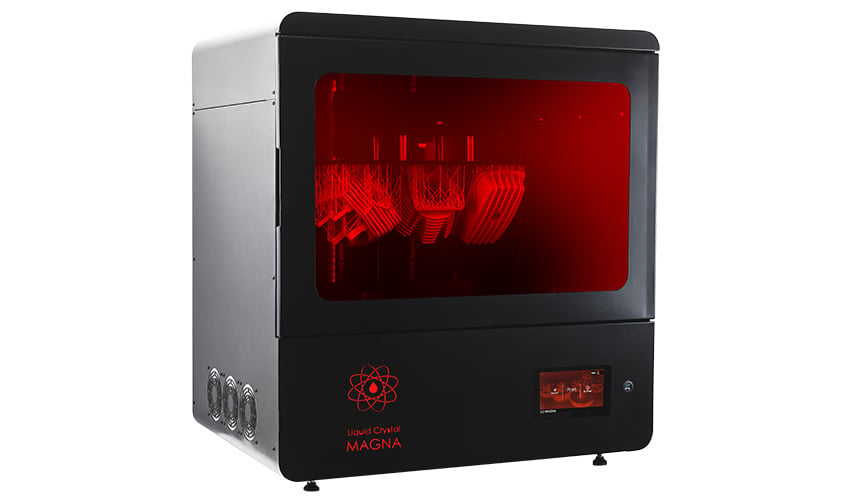 NewsPhotocentric launches Liquid Crystal Magna for custom mass productionPhotocentric is a manufacturer of a wide variety of photopolymer resins that harden in light, they are also known for launching their first 3D printer in 2015, the Liquid Crystal which uses their LCD technology, a variation of SLA technologies.…
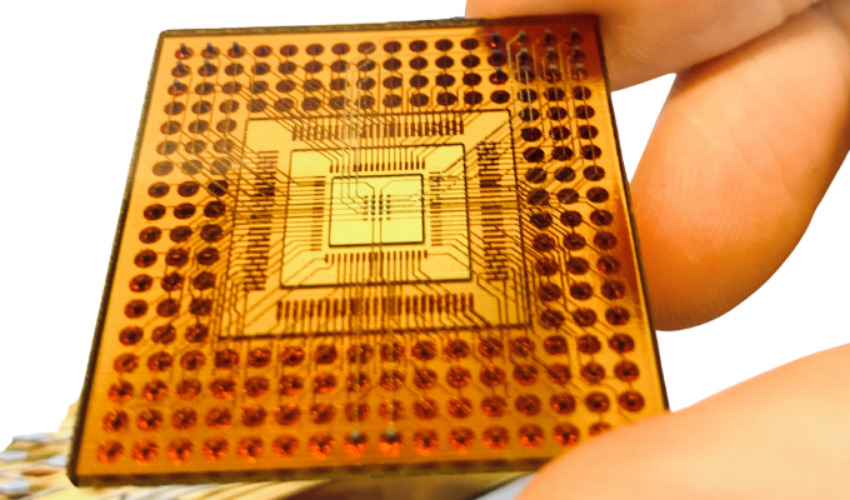 GuidesNano Dimension on the Future of Electronics in Additive ManufacturingAdditive manufacturing has been growing in importance in a number of different industries in the past few years. The ability to create objects that are customizable, more optimized, and often cheaper than parts created through traditional methods has made AM…