Materials
Mycelium as a Material for 3D Printing
As plastic remains one of the most widespread materials on earth, there has been much discussion on to its impact on the climate. However, anyone who believes that plastic is the only culprit among environmentally harmful materials is mistaken. The…
- 3 min read
- Materials
- Six more stories
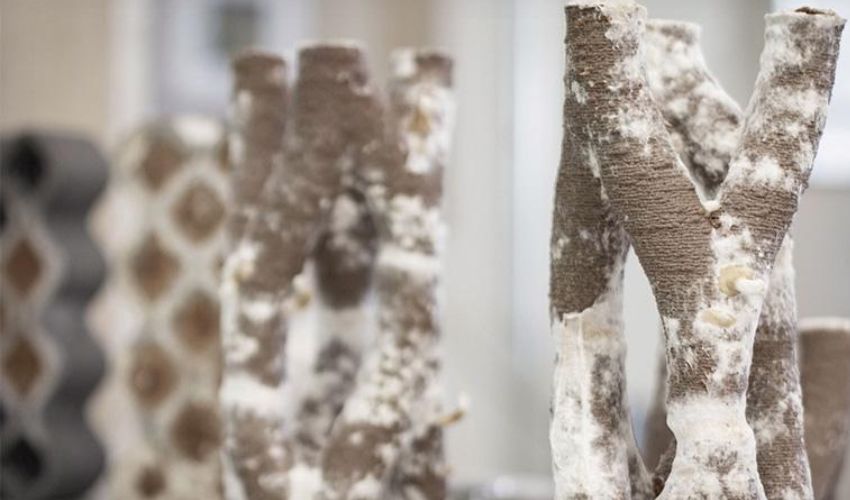
As plastic remains one of the most widespread materials on earth, there has been much discussion on to its impact on the climate. However, anyone who believes that plastic is the only culprit among environmentally harmful materials is mistaken. The cement industry ranks third in terms of its CO2 emissions (according to the UN Environment Program 2020) and you only have to look around to see how ubiquitous cement and concrete are in our lives. Thankfully, intensive research is being carried out into new materials that can be used as alternatives. One of these materials is mycelium or mycelium/mycelium, which is based on fungi. In combination with 3D printing, this bio-based material has great potential as an environmentally friendly construction industry and numerous applications.
Mushroom mycelium has actually been researched as a building material for many years. To be precise, it is not the fungus itself that is used as a building material, but its root system. This is where its hyphae, the fungal filaments, are found, which fuse together and form a network, namely the mycelium. This can spread to other materials and penetrate wood or straw, for example, in order to utilize their nutrients. If the fungus also gets water, it grows. This parasitic existence is actively used to enrich the mycelium with nutrients from other materials. The mycelium then acts as an adhesive so that the mixture of materials becomes solid and can be molded – or printed.
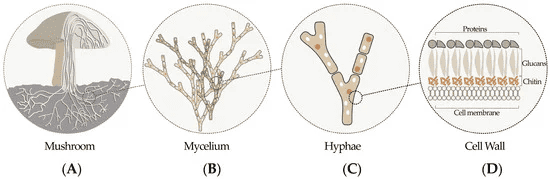
Schematic of the root system (photo credits: Biomimicry)
Fungi are also known for their carbon-absorbing abilities. This means they can help to slow down climate change. In addition, many fungi are not particularly picky about their “feed”, so they also draw nutrients for growth from waste or residual materials, which further favors the circular economy. In this sense, mycelium-based materials can be actively cultivated.
More from the desk
Six other notes from the rest of the bench.
 PrintersLab 3Dnatives: Testing the 3D printer Winbo SH105As summer starts coming to a close, we decided to mark this with a test of the Chinese printer Winbo SH105. Little known to the general public, the brand offers around 19 different FDM machines, with prices ranging from $199…
 ApplicationsAustralian Students 3D Print Prosthetic Hand for ClassmateStudents from The Nature School in Port Macquarie have created a 3D-printed prosthetic hand for their classmate, Lois Agnello. Using an open-source design from Australian charity Free 3D Hands, the students spent months learning how to use a 3D printer…
 SoftwareStratasys Partners With Adobe For Streamlined 3D Printing Design WorkflowDesign software and 3D printers are the dynamic duo of the AM industry. Global additive manufacturing leader Stratasys has partnered with software giant Adobe to deliver a solution that streamlines workflow that enables engineers and designers to 3D-print models directly…
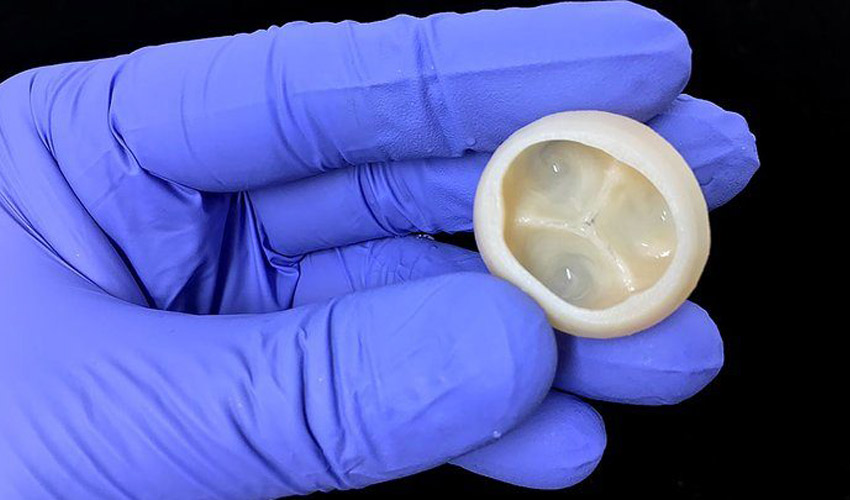 ApplicationsResearchers have been able to bioprint parts of the human heartScientists at Carnegie Mellon University are one step closer towards the manufacture of functional 3D printed organs: by using FluidForm technology, they have been able to reconstruct parts of the human heart, including heart valves. Called FRESH (Freeform Reversible Embedding&he
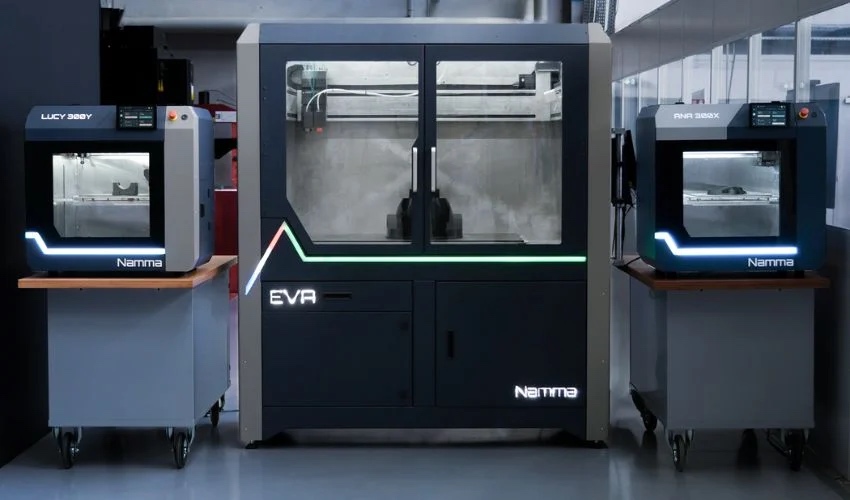 PrintersFrench Manufacturer Namma Expands Its Range of Hybrid Solutions to Meet Industrial RequirementsIn 2021, Bordeaux-based start-up Namma presented EVA, an industrial multiprocess machine that combines three processes to produce metal, polymer and composite parts. Three years later, it has strengthened its offering with two additional models, positioning itself in both hybrid
 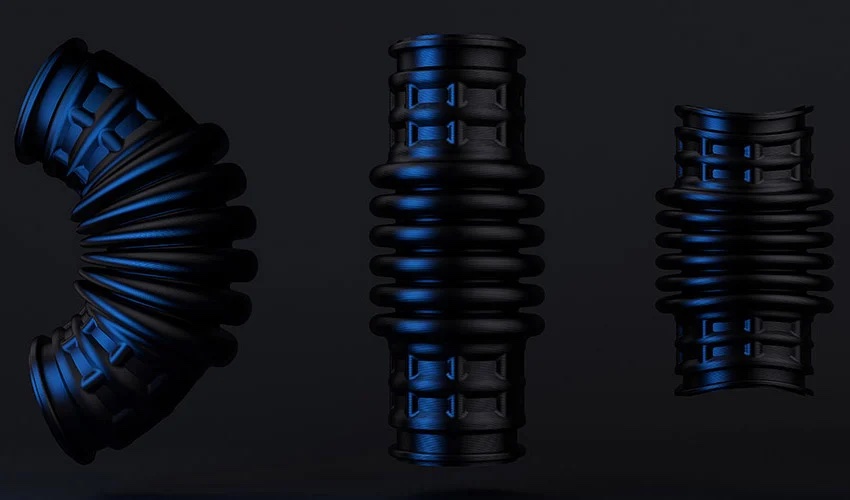 Materials3D Printing Elastomers Market Expected to Reach $1.389 Billion by 2030American research organization Report Oceans recently published a study in which it evaluated the growth of elastomers in the 3D printing market. The organization estimates that the elastomers market will reach 1.389 billion dollars within eight years, with an annual…