News
MIT Researchers Achieve Breakthrough in 3D Printing of Electromagnets
Researchers at the Massachusetts Institute of Technology (MIT) have achieved a breakthrough that could transform electronics production. Their successful 3D printing of three-dimensional solenoids represents a significant leap forward in electronics manufacturing. Solenoids, comp
- 3 min read
- News
- Six more stories
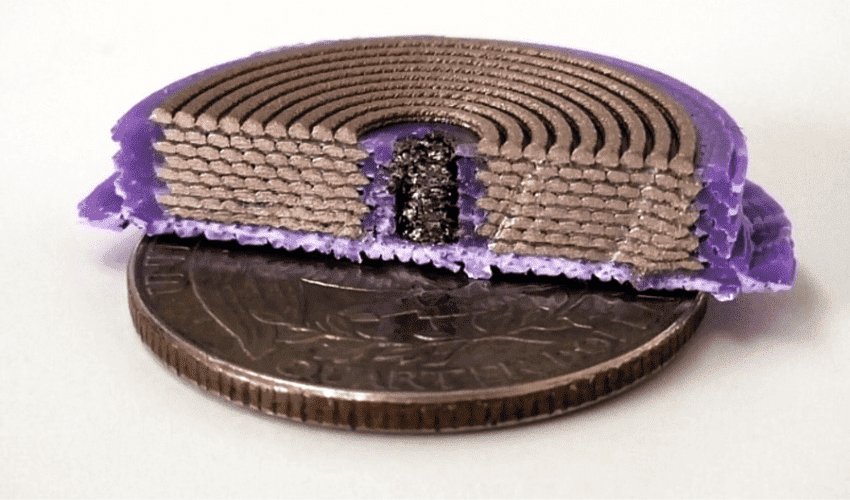
Researchers at the Massachusetts Institute of Technology (MIT) have achieved a breakthrough that could transform electronics production. Their successful 3D printing of three-dimensional solenoids represents a significant leap forward in electronics manufacturing. Solenoids, comprised of a coil of wire wound around a magnetic core, serve as indispensable components in a myriad of electronic applications. From critical medical devices like dialysis machines and respirators to everyday household appliances such as washing machines and dishwashers, solenoids play a vital role in converting electrical energy into mechanical work. Traditionally, manufacturing solenoids has required complex techniques.
The development of fully 3D-manufactured electronic devices currently poses considerable challenges. However, ongoing research marks a progression towards more economical and less wasteful production techniques. These improvements could be used across many industries, with use even in space.

The Massachusetts Institute of Technology (MIT)
3D Printed Electromagnets
Traditional manufacture of solenoids involves the complex assembly of different materials, often limiting the size and shape of the parts. The use of 3D printing, however, offers the possibility of overcoming these constraints. MIT researchers, led by Luis Fernando Velásquez-García, have solved the problems associated with material compatibility by adapting their multi-material 3D printer to superimpose three different materials: a dielectric material serving as an insulator, a conductive material forming the electrical coil, and a soft magnetic material making up the core. This adaptation facilitated the production of compact, single-piece solenoids, eliminating the potential for assembly errors.
More from the desk
Six other notes from the rest of the bench.
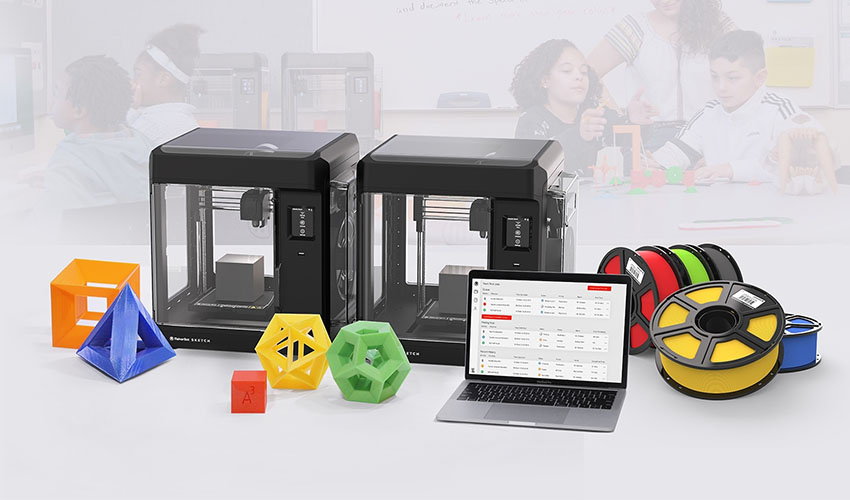 PrintersMakerBot launches SKETCH Classroom for students and teachersOver the last few months, the education system, and more particularly the school system has become aware of the huge potential and need to educate their students on 3D printing. This demand has been heard by MakerBot, one of the…
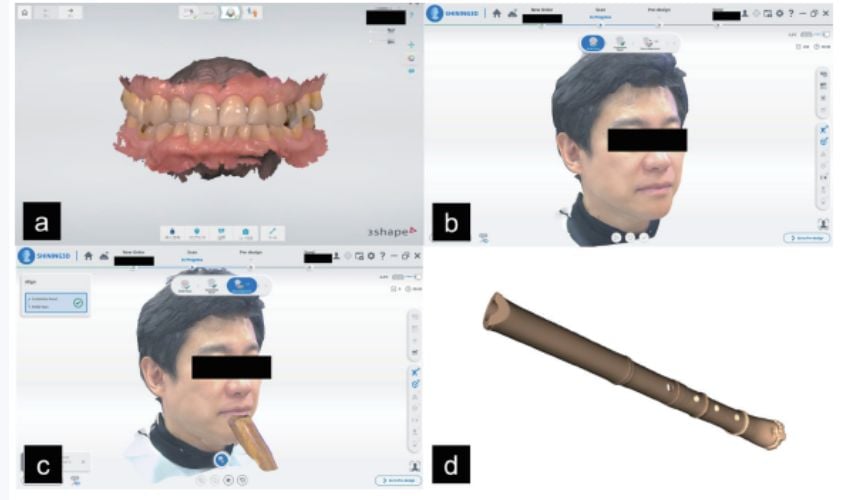 NewsResearchers 3D Print a Custom Guide to Help Beginners Play the Shakuhachi FluteOne day in my elementary school music class, our teacher brought in all kinds of instruments for us to try, to see if there was one we’d be inspired to learn. I remember trying a violin, a cello, a tuba,…
 NewsAdditive Industries is accelerating adoption of its MetalFAB1 systemAdditive Industries, based in the Netherlands is accelerating industrial additive manufacturing of metal parts by offering a modular, end-to-end laser powder bed fusion system, the MetalFAB1 system. This system is seamlessly integrated with the manufacturer’s information platform
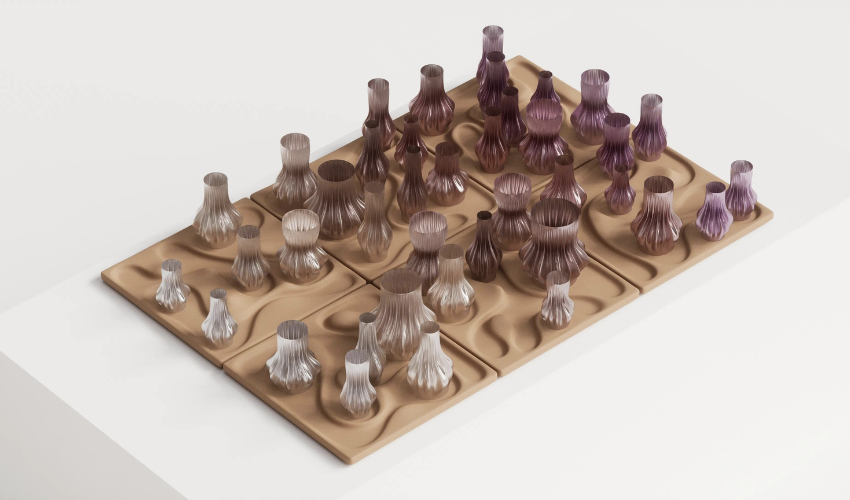 NewsA 3D Printed Glass Installation Made in Collaboration with Swarovski Is on Display in VeniceIn recent years, additive manufacturing has had a significant impact in sectors like medicine, automobiles and aerospace. But did you know that 3D printing has also significantly contributed to innovations in art? This fact has been confirmed by designer Julia…
 PrintersMust-See Product Launches of 2025Still undecided on a Christmas gift? Don’t panic, we have a solution for you. If you’re considering investing in a 3D printer or a 3D scanner, this list should be right up your alley. We took a closer look at…
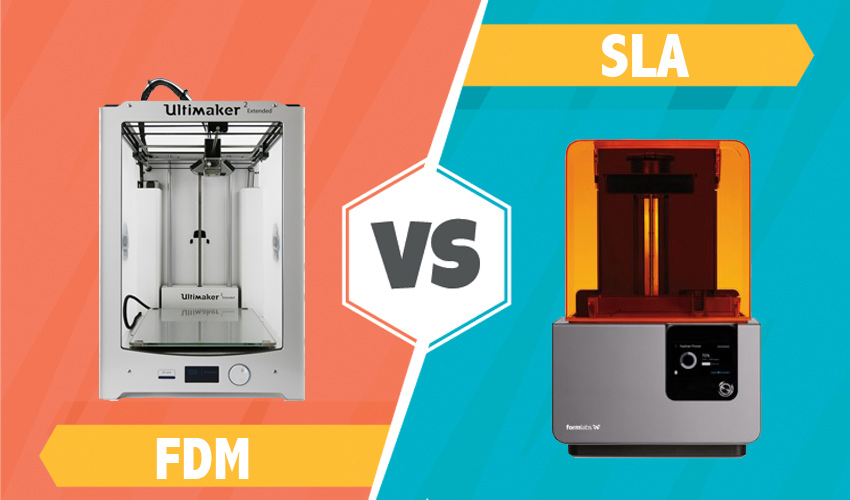 MaterialsFDM vs SLA: Which 3D Printer Should You Buy?Despite a host of different 3D printing technologies arising since its inception, the purpose has remained the same: convert a digital model into a physical one. However, each technology has different techniques, developments, and results. We have compared two of…