Materials
FDM vs SLA: Which 3D Printer Should You Buy?
Despite a host of different 3D printing technologies arising since its inception, the purpose has remained the same: convert a digital model into a physical one. However, each technology has different techniques, developments, and results. We have compared two of…
- 3 min read
- Materials
- Six more stories
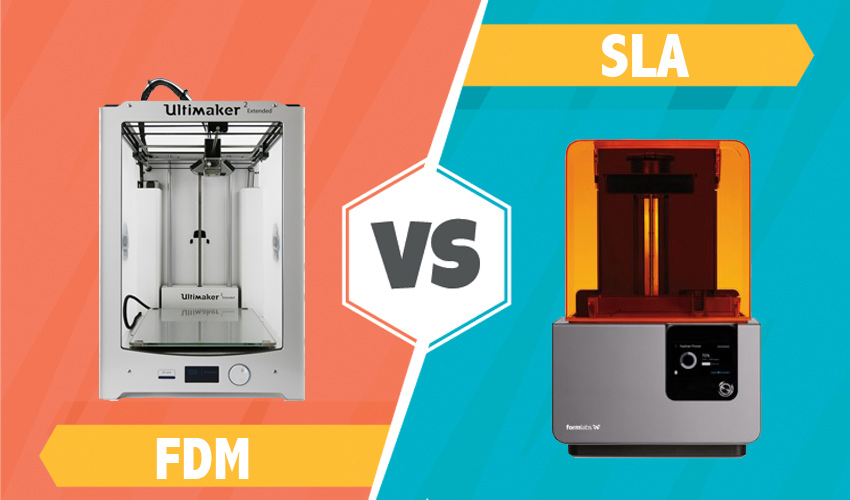
Despite a host of different 3D printing technologies arising since its inception, the purpose has remained the same: convert a digital model into a physical one. However, each technology has different techniques, developments, and results. We have compared two of the best-known technologies in the industry today: FDM & SLA. There are several types of FDM 3D printers, which we will compare with their resin 3D printer counterparts.
First Developments
Stereolithography (SLA) was the first 3D printing technique. Its first developments began in 1986 when Chuck Hull, 3D Systems’ founder, registered the first commercial patent for the photopolymerization of a resin through laser. Years later came DLP technology, based on the same technique but using light generated by a projector. In the development of SLA/DLP printers, companies like Formlabs, B9Creations and Carbon 3D grew large.
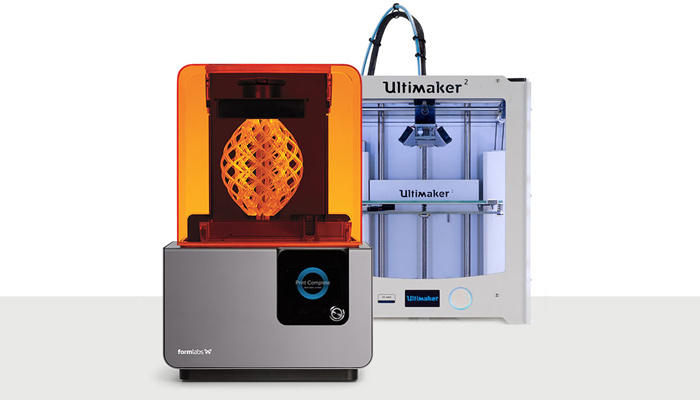
A few years later in 1988 Scott Crump, founder of Stratasys, unveiled the first FDM (Fused Deposition Modeling) or FFF (Fused Filament Fabrication) printer. This technology became popular because of its easy handling and low price compared to other technologies. The development in FDM allowed companies like Ultimaker, Makerbot and Zortrax, to become big brands.
More from the desk
Six other notes from the rest of the bench.
 NewsThermwood 3D prints a hull mold for a 51-foot long yachtThe manufacturer of large-format additive manufacturing solutions, Thermwood, has recently 3D printed several sections of a mold of the hull for a 51-foot long yacht. Using carbon fiber reinforced ABS, the company developed a part that was strong enough, demonstrating that additi
 News#TOP5 videos: A 3D printed house and much more!We found the TOP 5 videos of the week related to 3D printing and collected the additive manufacturing here. You can enjoy even more 3D printing videos on the our Youtube channel, as well as share your videos and comment on…
 PrintersUltimaker’s new solutions will optimize the 3D printing workflowSince 2011, the Dutch manufacturer Ultimaker has been offering professional FDM 3D printing solutions designed to make their manufacturing process as easy as possible. In April, the company launched its new machine, the S5, for the first time it included…
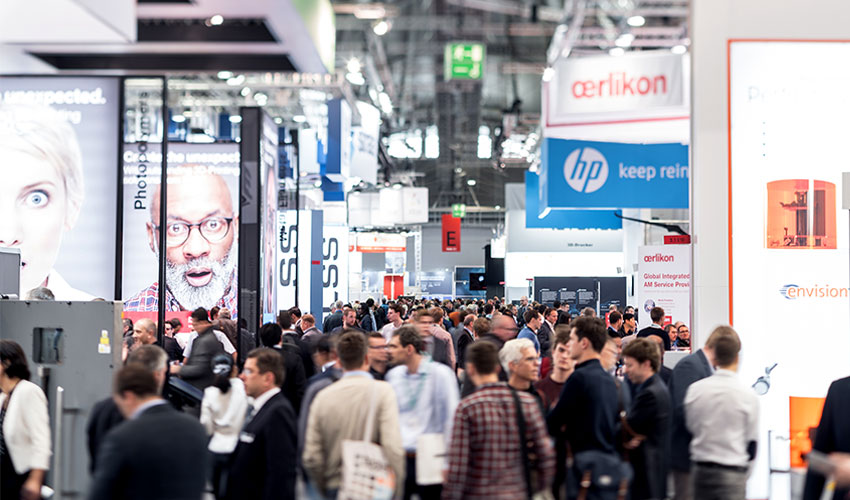 GuidesThe 3D Printing Events You Don’t Want to Miss This YearEvery year in the world, users and actors of additive manufacturing and 3D printing meet at dedicated events, whether fairs, conferences or shows. They are the perfect opportunity to discover the latest innovations in the market and to interact with…
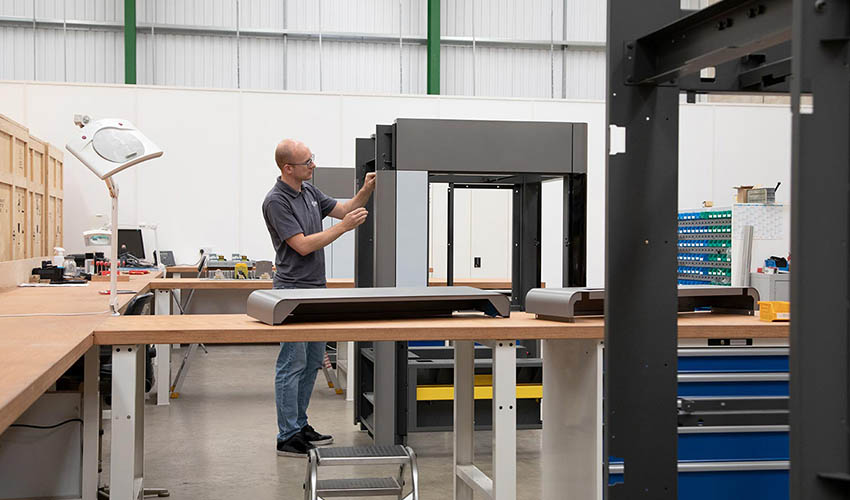 PrintersRPS expands Neo SLA 3D printer range with industrial machinesNot too long ago, the British manufacturer, RPS launched the latest of the Neo stereolithography range, the Neo450 series. Based on the Neo800, the compact Neo450 series has a 450 × 450 × 400 mm platform and builds prototypes, rapid tooling, and master patterns…
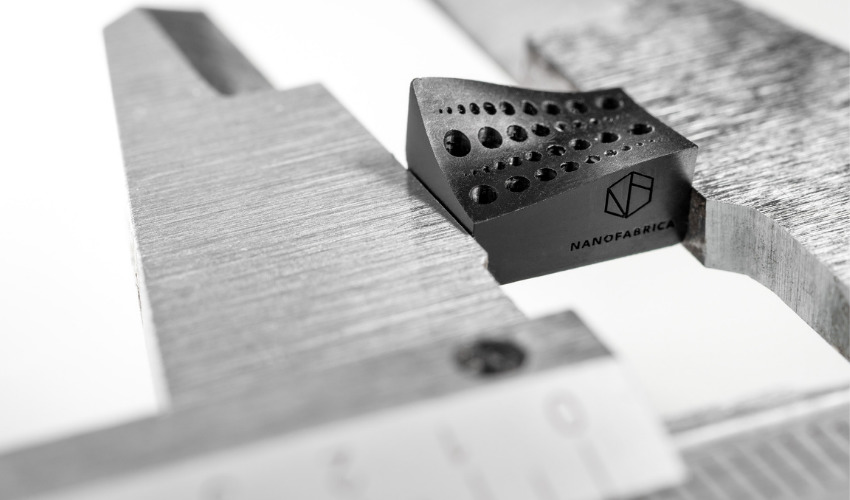 GuidesThink big, print small: Nanofabrica on the benefits and applications of microscale 3D printingOne of the major benefits that additive manufacturing has over traditional manufacturing is its ability to be customized for individual use, no matter how big or small the part may be. Never is this more evident than with microscale 3D…