News
McDonald’s Is Turning to 3D Printing in Its Restaurants
It seems that fast-food chain McDonald’s recently turned to 3D printing not to design new hamburgers, but to imagine the lighting fixtures for its restaurants around the world. For this, the multinational turned to Philips and additive manufacturing, after having…
- 3 min read
- News
- Six more stories
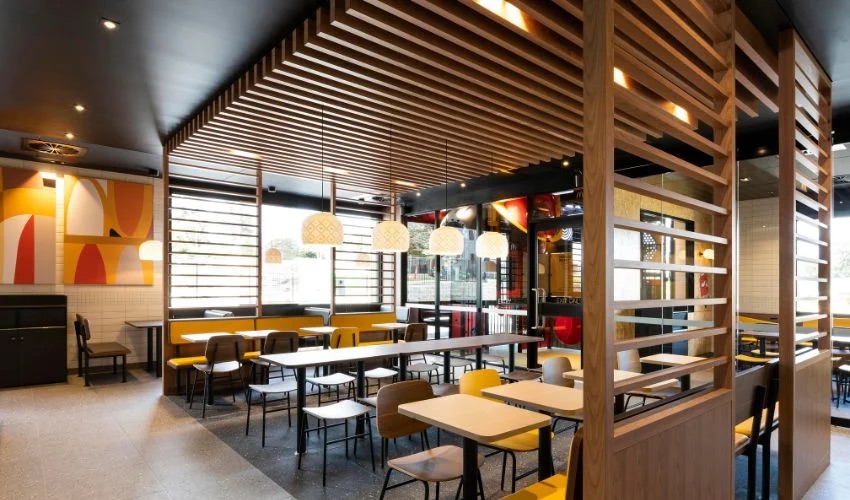
It seems that fast-food chain McDonald’s recently turned to 3D printing not to design new hamburgers, but to imagine the lighting fixtures for its restaurants around the world. For this, the multinational turned to Philips and additive manufacturing, after having tried to reproduce the design in head via other production methods, without success. In fact, the American giant already had a design in mind: it wanted a translucent circular luminaire (or lighting fixture) with an embossed relief, giving it a shimmering velvet effect. By turning to 3D printing, McDonald’s was able not only to get as close as possible to its original idea, but also to produce a more sustainable product by choosing recyclable materials.
McDonald’s has ambitious goals when it comes to sustainability. It wants to reduce its carbon footprint by 60% by 2030, and is looking for ways to do so wherever possible. This includes the design and interior decoration of its restaurants. Marc Pochert, Senior Director of Global Design Integration at McDonald’s Corp, explains: “We design for new store modelings and openings across the globe, for all of our 38,000 restaurants. We have a couple of requirements which are not discussable. So there are no off the shelf solutions. We want to own the IP rights and we need a scalable solution within a short lead time. It also needs high durability and we want it all at competitive cost.”
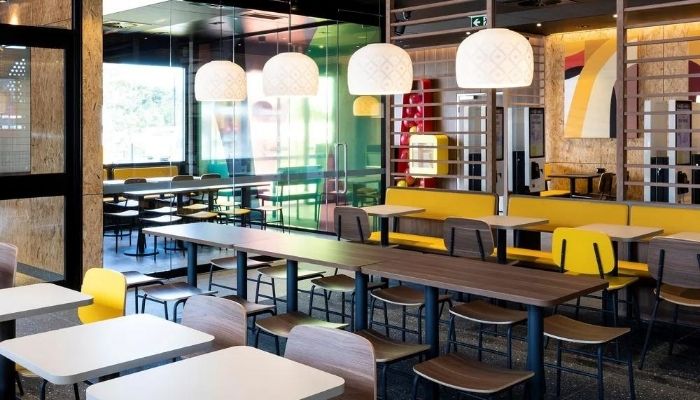
3D-printed luminaires were to have a shimmering effect
Taking these requirements and constraints into account, it was necessary to find a manufacturing solution that was fast, sustainable, inexpensive and flexible. That’s when the American chain met Philips, which offers a co-creation service, notably via 3D printing. And it’s thanks to 3D technology that this spherical model was created. It’s a luminaire with embossments, with different patterns at the top and bottom, making a shimmering, velvet-like appearance. It’s not clear what process was used – perhaps selective laser sintering? But according to McDonald’s, the materials used are more durable.
More from the desk
Six other notes from the rest of the bench.
 GuidesThe Top 3D Printed RobotsRobotics brings together all the technologies that make it possible to design autonomous machines; combining knowledge in electronics, mechanics, and even biology. This is a field that has evolved quite a bit since C-3PO first hit the movie screens in…
 NewsTriditive Raises $1.8 Million in Seed FundingTriditive, a Spanish startup created in 2013 and that is also based in Hartford, CT in the US, has completed a $1.8 seed funding round. This company was able to complete this incredible fundraising thanks to the arrival of new…
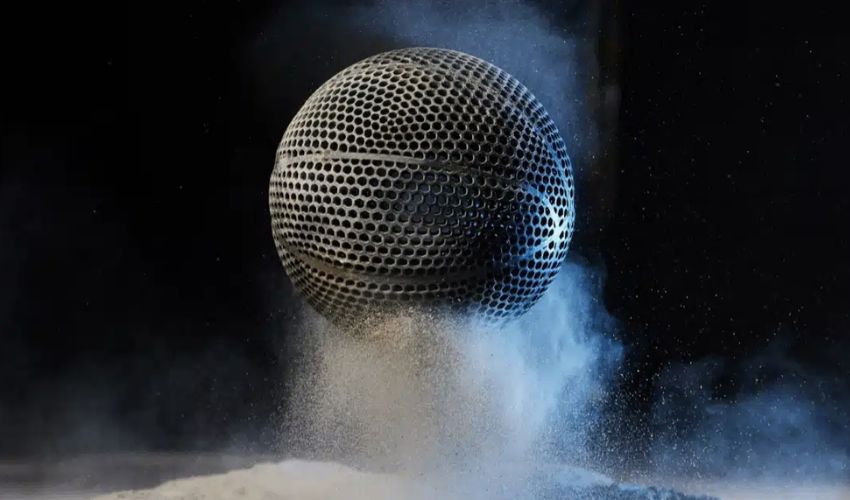 News3D-Printed Airless Basketball Features in NBA Competition3D printing offers great potential in sport, from the improvement of accessibility by making prostheses designed for exercise, to making high-performance equipment and accessories to help elite athletes win big. In a first, the company responsible for providing the official&helli
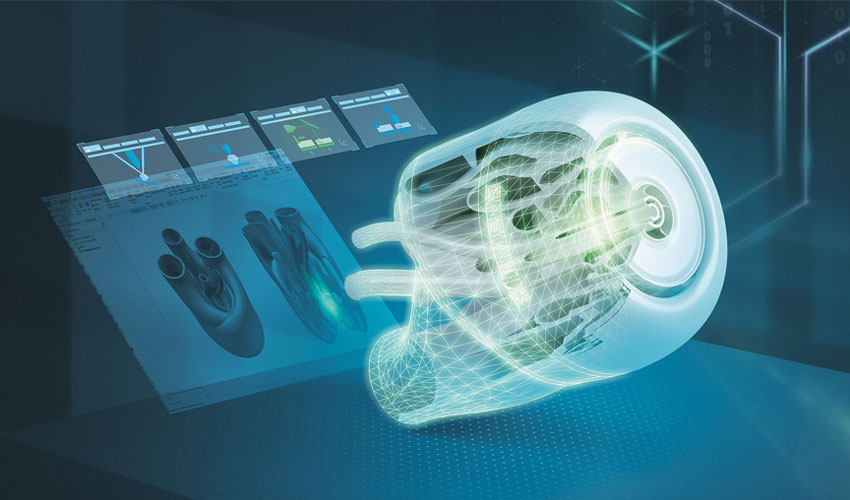 GuidesSiemens’ AM Network helps companies adopt AM for industrial productionAdopting 3D printing in an industrial setting, specifically for mass production, is growing considerably. Nevertheless, some companies are still hesitant to invest in 3D printing technologies, as they can be unsure about the steps to adopt it successfully in their…
 NewsVoices AMplified RAPID TCT 2023: Hearing From the AttendeesRAPID + TCT 2023 has wrapped up! After 3 exciting days in Chicago, the largest conference on additive manufacturing in North American has closed its door after a successful edition with over 400 exhibiting companies and over 9500 attendees from…
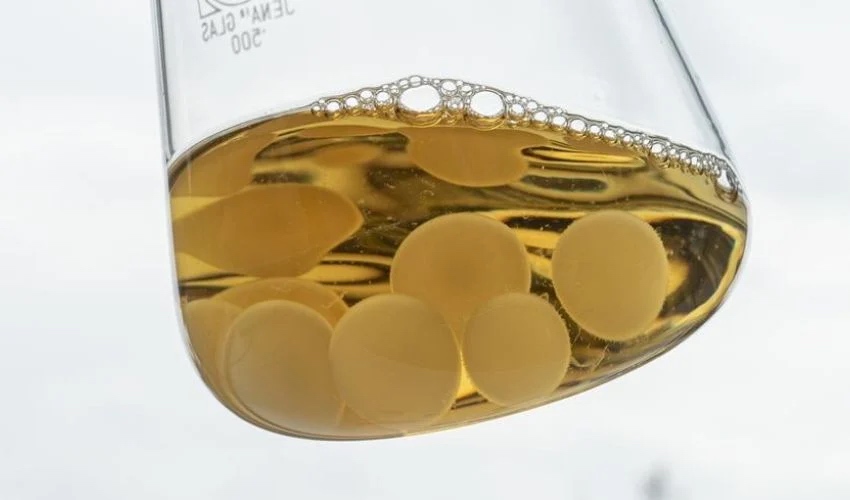 NewsBiodegradable, 3D-Printed Fungal Battery Paves the Way to a Sustainable Power SupplyFungi are eukaryotic organisms that have fascinated mankind for a long time with their potential as a medicine, but they also play an important role in our lives as edible mushrooms in gastronomy or as pathogens. Not to mention, mycelium…