Software
Maya, The Popular 3D Modeling and Animation Software
Maya is one of the most popular software solutions for 3D modeling and animation. Developed in 1998 by the American company Autodesk, now recognized as the world’s leading software company, Maya stands out for its comprehensive functionality. Very popular in…
- 3 min read
- Software
- Six more stories
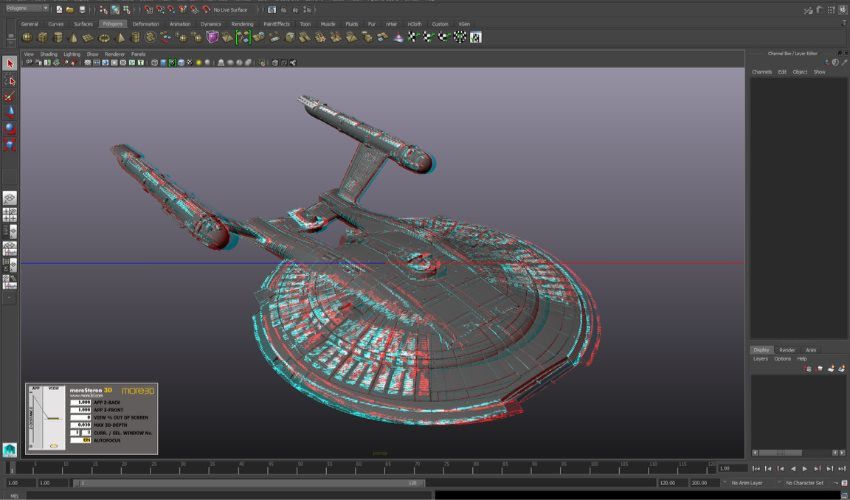
Maya is one of the most popular software solutions for 3D modeling and animation. Developed in 1998 by the American company Autodesk, now recognized as the world’s leading software company, Maya stands out for its comprehensive functionality. Very popular in the film, advertising and video game industries for 3D visualization, this program is also used in 3D printing.
Maya software has been used for special effects in many films you know, such as Doctor Strange and Barbie. It also played a key role in the creation of the animated films Finding Nemo and Shrek. Maya is not only practical for the creation of realistic characters and complex visual effects, but also offers many of the 3D modeling tools essential for 3D printing. Thanks to its wide range of intuitive modeling tools, Maya lets you design models that can be used directly for printing.

Maya was used to create special effects for the Barbie movie (Photo Credits: Framestore via Autodesk)
Maya’s Functionalities
Maya is cross-platform software compatible with Windows, macOS and Linux. Thanks to its precise control of surfaces and smooth mathematical shapes, it is particularly well suited to 3D printing projects, especially for the most demanding artistic and creative requirements. One of its strengths lies in polygonal modeling, a technique that enables the creation of highly accurate 3D models using intersection-based geometries. Maya also offers specialized tools for optimizing and correcting models, ensuring their compatibility with different types of printers. The software includes NURBS modeling, ideal for creating free-form shapes without being limited to fixed parametric shapes. What’s more, its rendering engine enables models to be visualized before printing, which is particularly useful for highly detailed projects. For additive manufacturing, this rendering ensures faithful representation of color, reflection and texture, enabling the final project to be planned and executed with millimetric precision.
More from the desk
Six other notes from the rest of the bench.
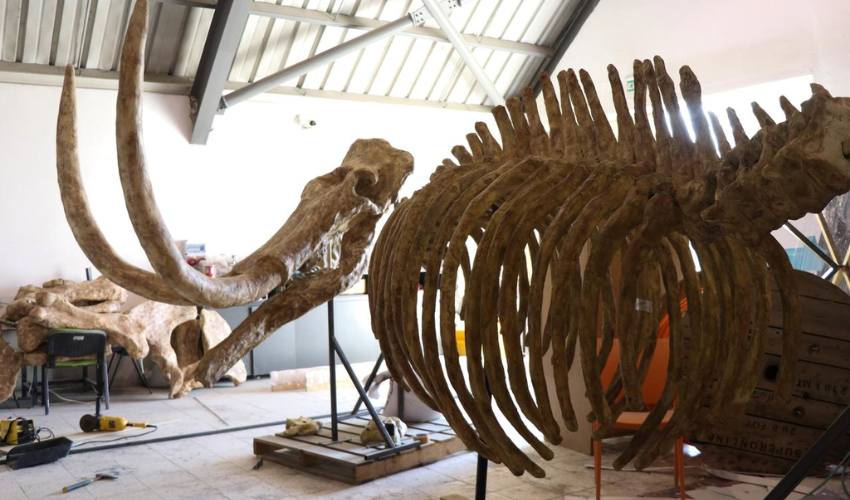 Printers3D Printing Brings Ancient Fossils Back to Life in TürkiyeIn central Türkiye’s Kayseri province, researchers are turning to 3D printing to help restore fossils that date back 7.7 million years. The remains, discovered near the Yamula Dam by a goat herder in 2017, include saber-toothed cats, giraffes, elephants, mammoths,…
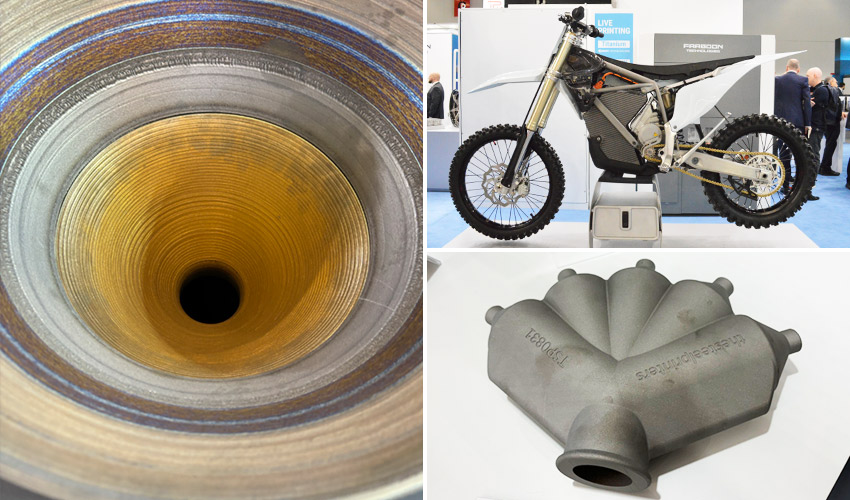 NewsThe Coolest Metal Applications at Formnext 2024It goes without saying that at Formnext attendees will see incredible solutions, whether for 3D printing, software or materials. But what should also not be ignored are the amazing applications that different companies are bringing to their booths. At Formnext…
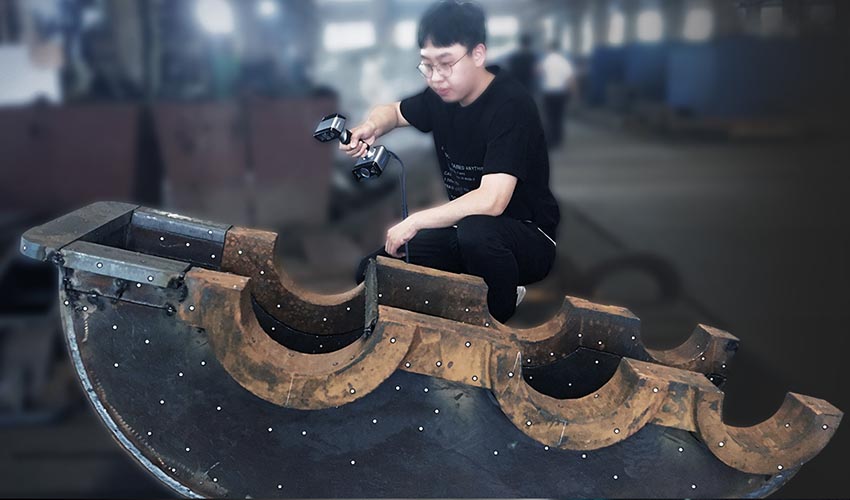 PrintersSHINING 3D releases the EinScan H series, making industrial scanners accessibleSHINING 3D, a leading company covering the 3D digital workflow from 3D Digitizing, through Intelligent Design, to Additive Manufacturing has been a pioneer in the industry since 2004, the year it was founded. Covering the entire AM workflow from 3D…
 NewsNeutrogena and Nourished Are Creating 3D Printed, Personalized Skincare SupplementsThe search for beauty has been a constant throughout history. Whether through art, including paintings and sculptures like the iconic Adonis or Venus, or cosmetics and jewelry, which allow us to adorn our own skin, human are always seeking and…
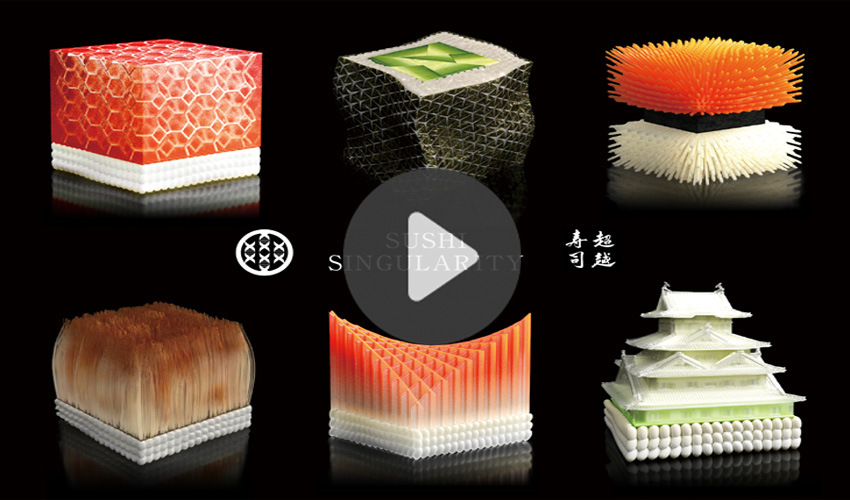 News#TOP5 Videos: the dental 3D printer NextDent 5100, 3D printed sushi…We found the TOP 5 videos of the week about 3D printing and the way additive manufacturing is shaping and changing our society. This week we touch on the dental 3D printer NextDent 5100, 3D printed sushi and much more! If…
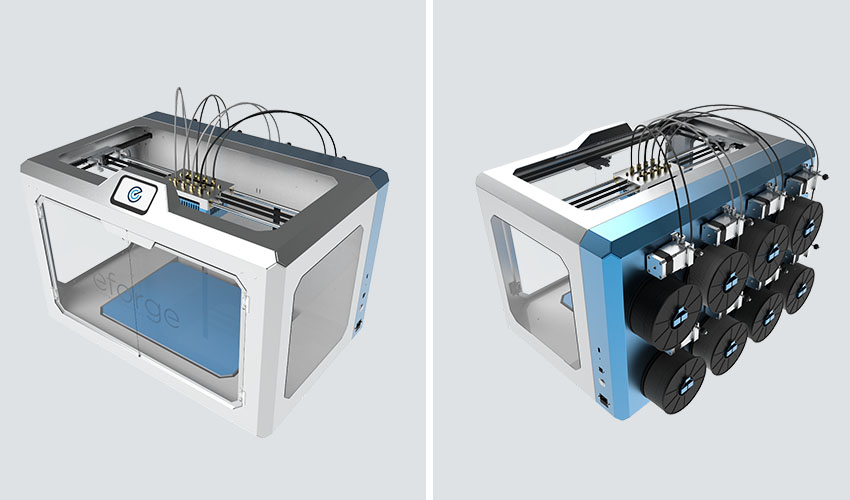 PrintersElectronic Alchemy develops eForge electronics 3D printerThe electronics industry is a young yet growing area of 3D printing. Until now, this sector was mostly used for prototyping purposes, however higher-volume additive manufacturing of electronics are in demand and solutions should grow in the years to come.…