Printers
MakerBot announces its return with the Makerbot Method
The manufacturer MakerBot has launched its new FDM 3D printer; the Method. A machine mixed between an industrial solution and desktop 3D printer. The American company, founded in 2009 and bought by the giant Stratasys in 2013, has not launched new products in recent years.&hellip
- 3 min read
- Printers
- Six more stories
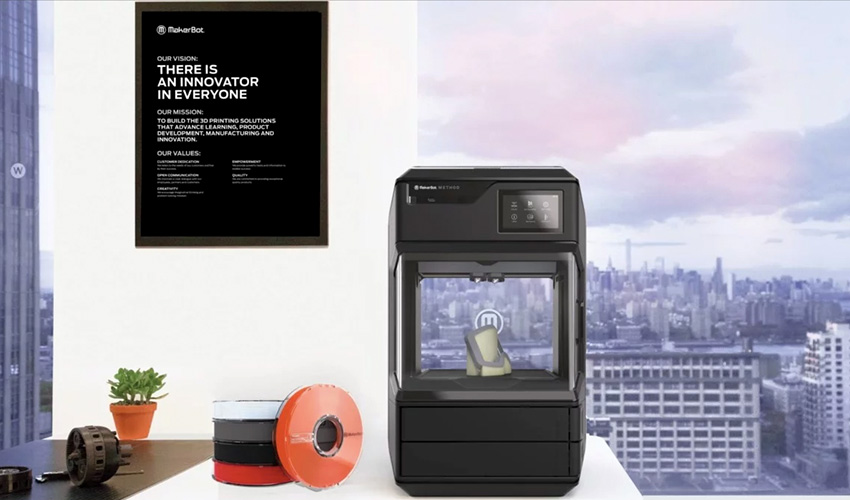
The manufacturer MakerBot has launched its new FDM 3D printer; the Method. A machine mixed between an industrial solution and desktop 3D printer. The American company, founded in 2009 and bought by the giant Stratasys in 2013, has not launched new products in recent years. This new printer announces the great return of one of the pioneers of FDM 3D printing. The MakerBot Method is a double extrusion Fused Deposition Modeling machine , available from $ 6,499.
We all know the MakerBot brand and its history; considered a leader in 3D printing at the beginning of its adventure then bought by Stratasys, the manufacturer has experienced some difficulties, including significant layoffs (20% of its workforce in 2015) and problems related to its “smart” system extrude, causing the failure of its fifth generation of MakerBot printers. Since then, the manufacturer has been trying to restore its image, particularly in the education sector. Now 10 years after its creation, they have launched a new professional machine called the MakerBot Method, perhaps signalling its return to the additive manufacturing market.
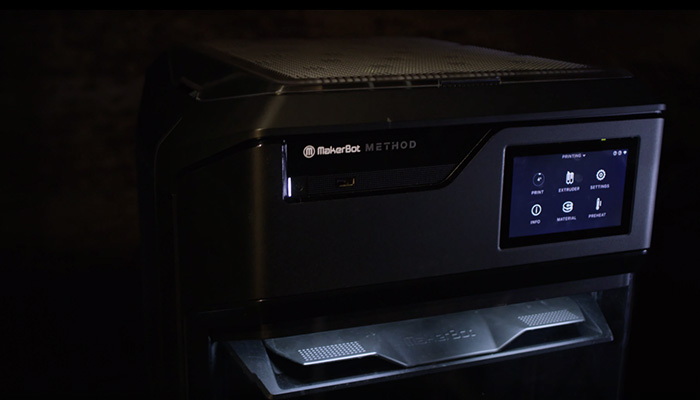
What are the features of the MakerBot Method?
More expensive than its big sisters, the Method have been designed to bridge the gap between Stratasys’ expensive industrial solutions and MakerBot’s small office machines. The new 3D printer is twice as expensive as a Replicator +. And this difference in price is explained by the new features offered by the Method. If we look more closely at its technical specifications, we see that it has a print volume of 190 x 190 x 196 mm, a printing speed of 500 mm / second and a layer resolution of 20 to 400 microns.
More from the desk
Six other notes from the rest of the bench.
 NewsGE awarded $14.3 million for 3D printed prototype that creates water from thin airLack of fresh, potable (drinkable) water is one of the biggest challenges facing millions on our planet today. This is especially evident in arid areas, many of which are now struggling even more as global warming drives temperatures up in…
 NewsECO 3D: The latest economic news in 3D printing for AugustProgress towards the future of 3D printing continues to grow, whether it be in the introduction of new, promising technologies, or within the production chain of a company who has implemented additive manufacturing to propel their production even further. In…
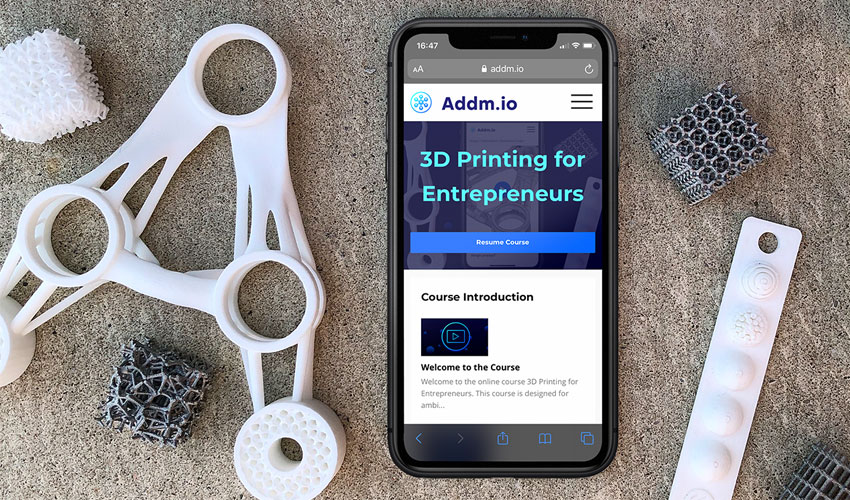 GuidesAddmio, an online platform to learn 3D printingWhile 3D printing is gradually taking hold in our businesses and industries, it is still a technology that is difficult to grasp. Specific skills are required to enter this market, whether in terms of materials, equipment or design. A number…
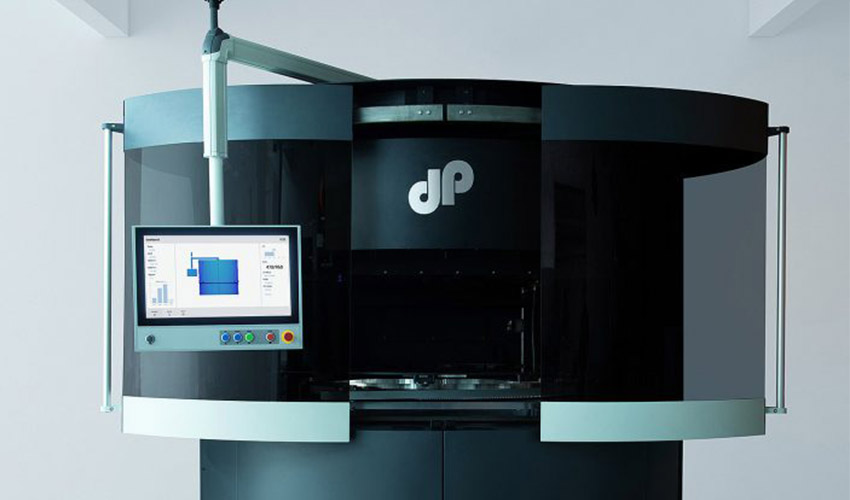 Printersdp polar presents its AMpolar i2 solution for industrial scale productionAt Formnext, 3Dnatives saw for the first time in person the AMpolar i2 from German manufacturer, dp polar. This machine seeks to be an additive manufacturing solution for industrial scale production, it employs the manufacturer’s proprietary technology, called High-Speed Rotative
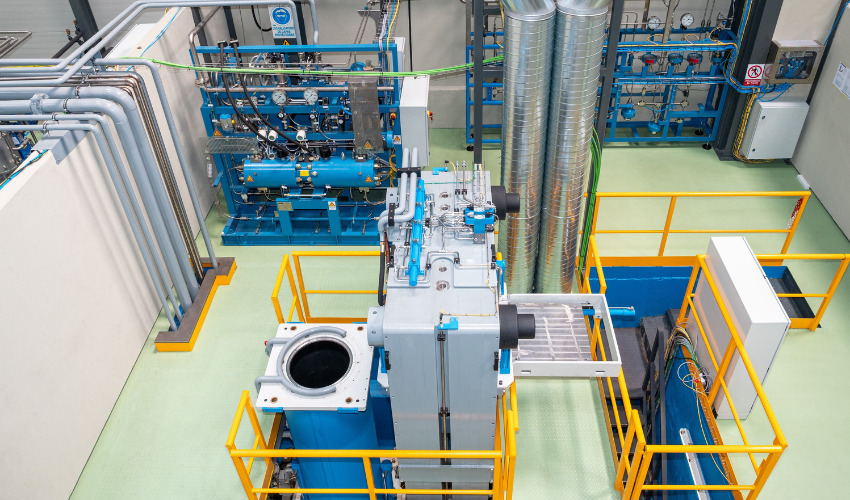 NewsHiperbaric and Aenium Team Up to Show Benefits of Hot Isostatic Pressing (HIP) Technology for Additive ManufacturingSpanish company, Hiperbaric has sealed an Industrial R&D Collaboration Alliance with Aenium, an engineering company specializing in AM technologies. Hiperbaric is a world leader in HPP (high pressure processing), a technology for preserving food and beverages by high hydrosta
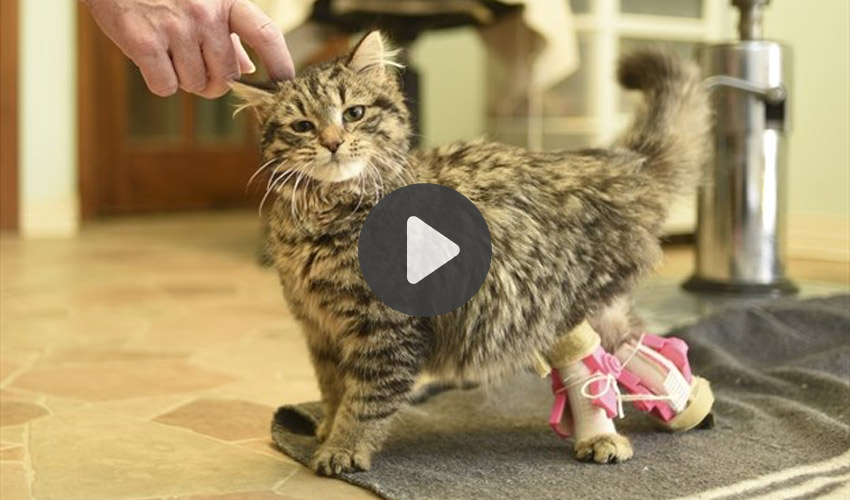 News#TOP5 Videos: cat can walk again thanks to 3D printing, 3D printed collarbone and more!We found the TOP 5 videos of the week about 3D printing and the way additive manufacturing is shaping and changing our society. This week we touch on Carly, the cat that can walk again thanks to 3D printing, 3D printed…