Materials
Lockheed Martin Collaborates With Makerbot For NASA Lunar Rover Project
The aerospace and defense sector has been steadily employing the use of additive manufacturing to design tools and prototypes. Including, for example, the fact that for nearly five years now, Lockheed Martin, a global aerospace and defense company, and Makerbot…
- 3 min read
- Materials
- Six more stories
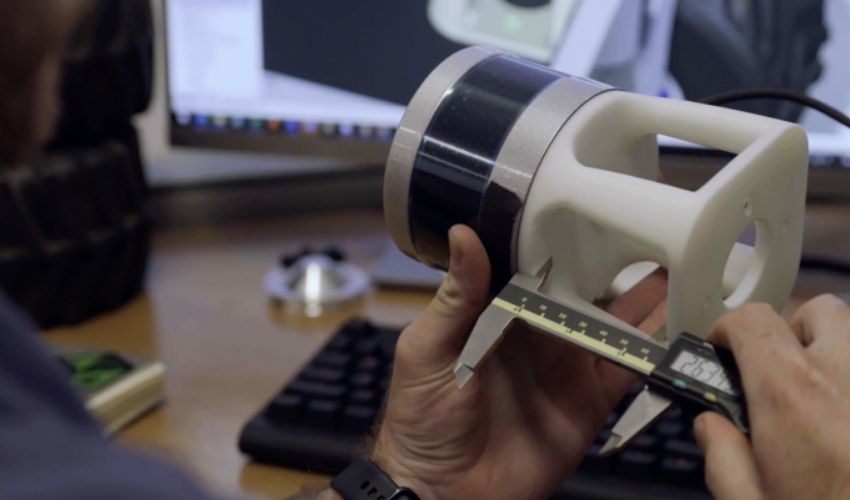
The aerospace and defense sector has been steadily employing the use of additive manufacturing to design tools and prototypes. Including, for example, the fact that for nearly five years now, Lockheed Martin, a global aerospace and defense company, and Makerbot have been collaborating on various 3D printing projects. In their latest project, the companies will be working together on NASA’s Lunar Rover project. For the project, Lockheed will be producing an autonomous lunar rover that could be used for NASA’s Artemis program whose mission is to establish a sustainable presence on the Moon to prepare for missions to Mars.
Components of the new rover system’s early designs are carried out at Lockheed Martin’s research and development facility, Advanced Technology Center (ATC), located in the epicenter of America’s tech hub, Palo Alto, California. The facility features a lab full of state-of-the-art 3D printers. “At ATC, we have multiple MakerBot printers that help with quick turnaround times,” explained Aaron Christian, senior mechanical engineer, Lockheed Martin’s space division. “I will design a part, print it, and have it in my hand hours later. This allows me to quickly test the 3D-printed part, identify weak points, adjust the model, send it back to print overnight, and then have the next iteration in the morning. 3D printing lets me do fast and iterative design, reducing wait times for a part from weeks to hours.”
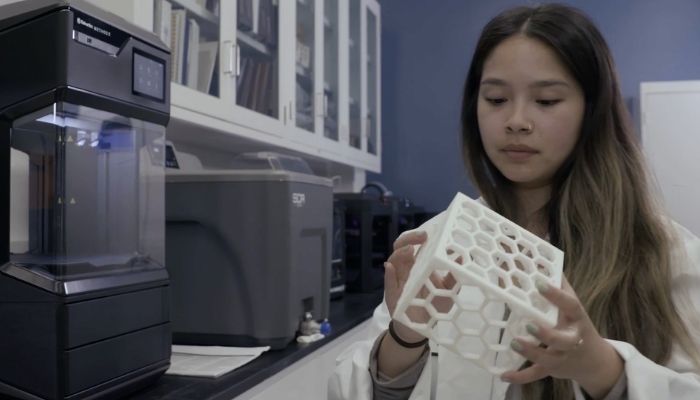
NASA Lunar Rover Project
Lockheed Martin is using Makerbot’s METHOD X to test proof of concept parts for the rover project. Furthermore, not only is the defense company 3D printing prototypes, but also, it’s printing parts that will be included in final products that go to space. These have been printed using ABS, a polymer material which allows the part to endure more extreme conditions compared to traditional PLA. Though these parts will vary, they include critical parts like a mount for LIDAR, a sensor that would allow the rover to determine how close objects are that are surrounding it, critical especially for an automated vehicle.
More from the desk
Six other notes from the rest of the bench.
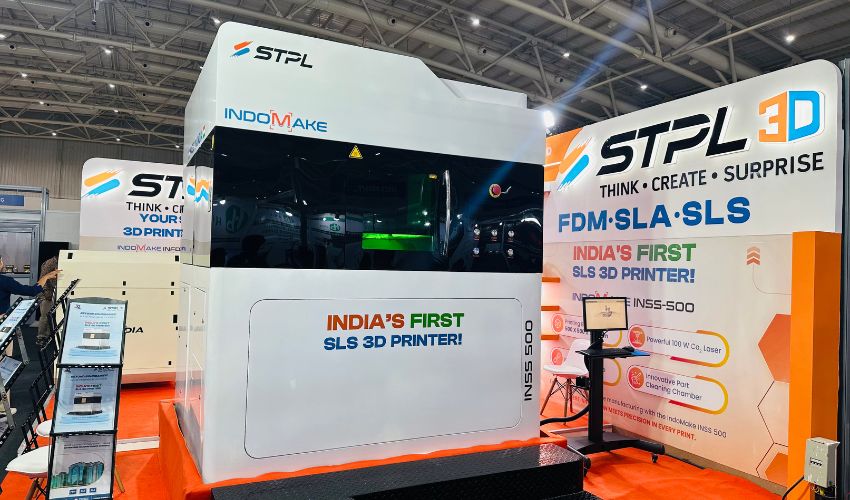 PrintersThe First Made-in-India SLS 3D Printer Makes its DebutThough we hear most often about the major additive manufacturing markets, namely the United States, Europe and China, that does not mean the technologies are not expanding elsewhere in the globe. One that seems primed in particular for expansion is…
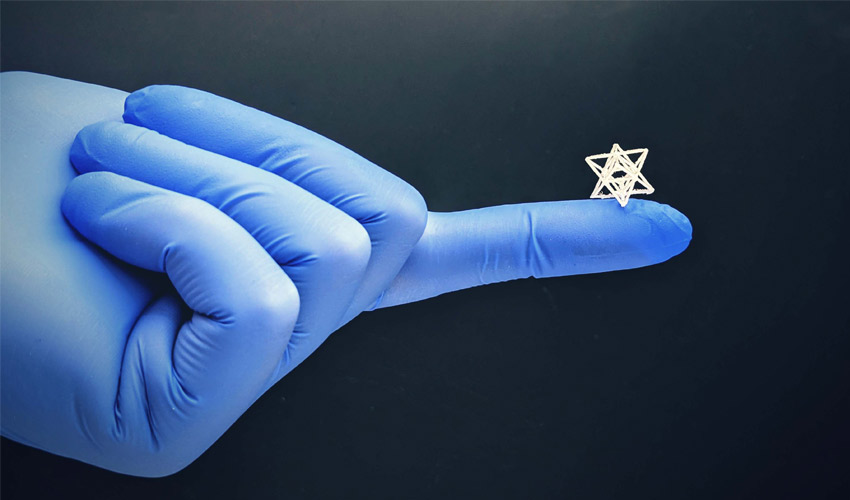 ApplicationsRMIT Research Team Develops New Method for Designing Implants Using Bioprinting and Injection MoldingAt the Royal Melbourne Institute of Technology (RMIT University), a team of researchers, along with doctors from St Vincent’s Hospital in Melbourne, have developed an innovative method for bioprinting medical implants. Instead of designing scaffolds on which cells will mult
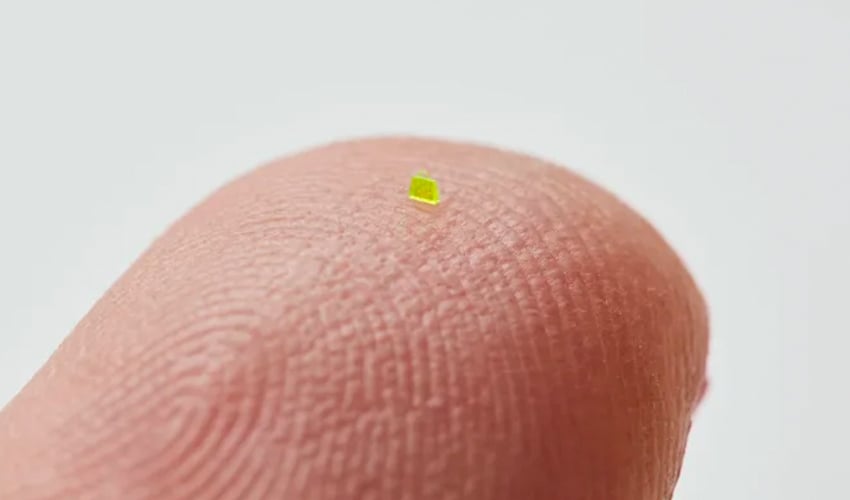 NewsThis Microscopic 3D Printed Handbag Sold for Over $63,000Can you imagine having a Louis Vuitton bag that is smaller than a grain of salt? Believe it or not, this is a real piece that is part of the latest project by the art collective MSCHF. Measuring only 657…
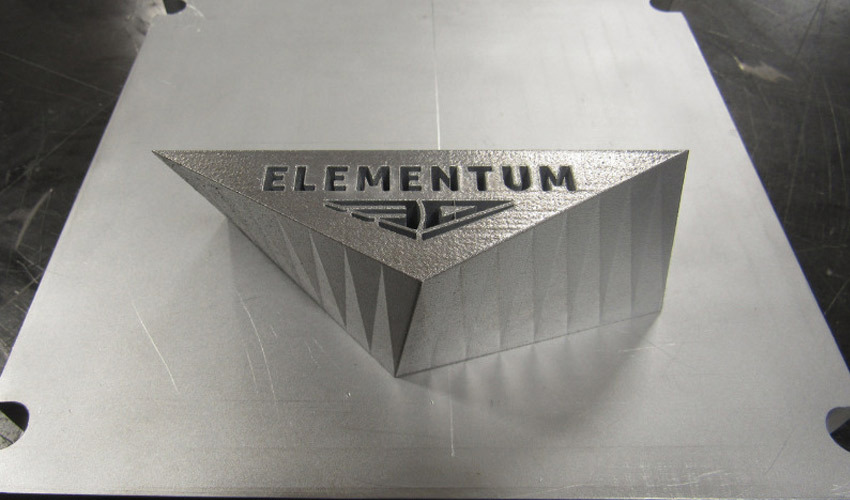 GuidesElementum 3D on Materials and Expansion in Metal Additive ManufacturingOne of the many considerations in 3D printing is what materials should be used for the printing process. Though still limited, 3D printing materials have expanded in recent years. Going from traditional materials like plastics and polymers, like PEEK and…
 ApplicationsParis Air Show 2019: additive manufacturing is taking offThe 53rd edition of the International Paris Air Show (SIAE 2019), held at Parc des Expositions du Bourget, came to an end yesterday. Since Monday 17th, it’s thousands of participants that were roaming the aisles of one of the world’s…
 NewsTop 5 Videos: The Ultimate Gift Guide for a 3D Printing EnthusiastIt’s the holiday season, so it’s time to curl up with a blanket and watch some fascinating 3D printing videos. First up, we have some shopping inspiration: a gift guide for 3D printing enthusiasts. Second, learn about the future of…