Materials
LLNL Develops Novel, Fast-Curing Silicone Ink: A Game-Changer for Silicone 3D Printing
While 3D printing has been around for decades, silicone 3D printing technology is something relatively new. The material is compatible with photopolymerization and material extrusion, but there are relatively few manufacturers making silicone 3D printing solutions. That does not
- 3 min read
- Materials
- Six more stories
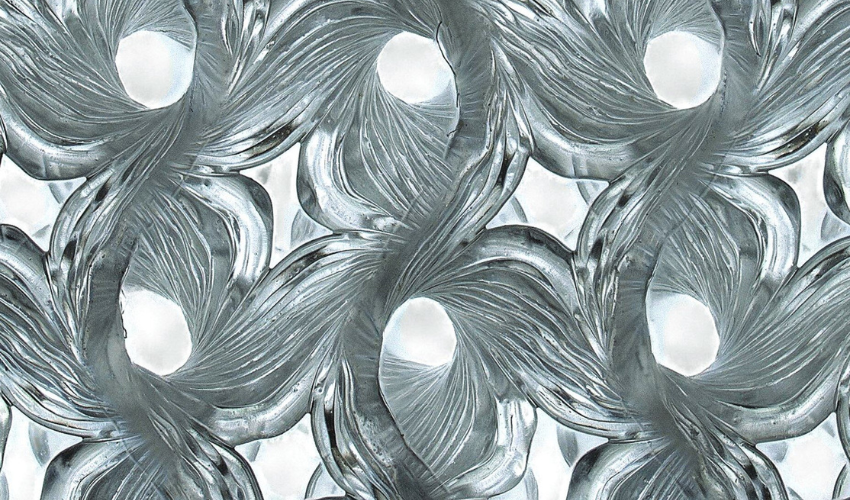
While 3D printing has been around for decades, silicone 3D printing technology is something relatively new. The material is compatible with photopolymerization and material extrusion, but there are relatively few manufacturers making silicone 3D printing solutions. That does not mean the material does not have attractive qualities: it is biocompatible, flexible and resilient. It is also used for a wide range of applications, like protective materials, biomedical devices, flexible electronics and more. Given the wide range of applications, it is no wonder that researchers are working on making the material more suitable for 3D printing. Now, scientists at the Lawrence Livermore National Laboratory (LLNL) have developed a novel silicone ink for 3D printing that promises to change the game.
The team’s new silicone ink is not only fast-curing, but also allows for prints that are bigger, taller, thinner and more porous than ever before. The key to the new material is that it is actually in two parts. Silicone inks have both a catalyst (which speeds up a chemical reaction) and a crosslinker (which chemically joins molecules together). When the catalyst and crosslinker mix, they slowly gel together to bind structures. So, the LLNL researchers separated the catalyst and crosslinker. Then, the two are mixed during the printing process, producing silicone structures by inline mixing and co-extruding both materials. After the ink passes through the nozzle, it rapidly becomes rigid, increasing its self-supportive capacity.
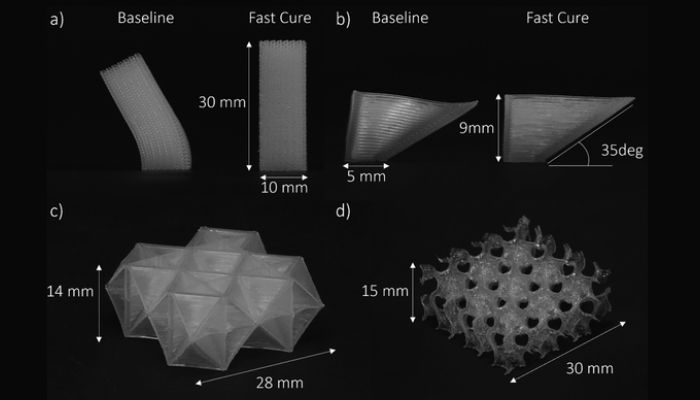
Two-part “fast cure” silicone-based ink for direct ink writing, mixes just before printing, sets quickly at room temp, allowing for longer print times, ensuring structures will not collapse or sag, even in complex shapes and configurations (Image credits: LLNL)
“Since the ink is kept separate, you don’t have to worry about the print time because it is not going to solidify in the syringes,” said Anna Güell Izard, a postdoc in the Materials Engineering Division (MED) and the paper’s first author. “It’s also sturdier because the layers are gelling as you’re printing, so your structure will not start sagging.”
More from the desk
Six other notes from the rest of the bench.
 NewsAdditive manufacturing a source of savings for GM?While automotive additive manufacturing is growing with announced revenues in excess of $5 billion, GM Motors has announced that it has saved more than $300,000 in 3D technology for more than two years. Since the US acquired its first machine,…
 NewsStratasys Announces $120 Million Investment by Private Equity FundSuffice to say, it has not been the smoothest sailing for the 3D printing market in the past year or so. This has particularly been the case for some of the largest companies in the sector, who have faced layoffs…
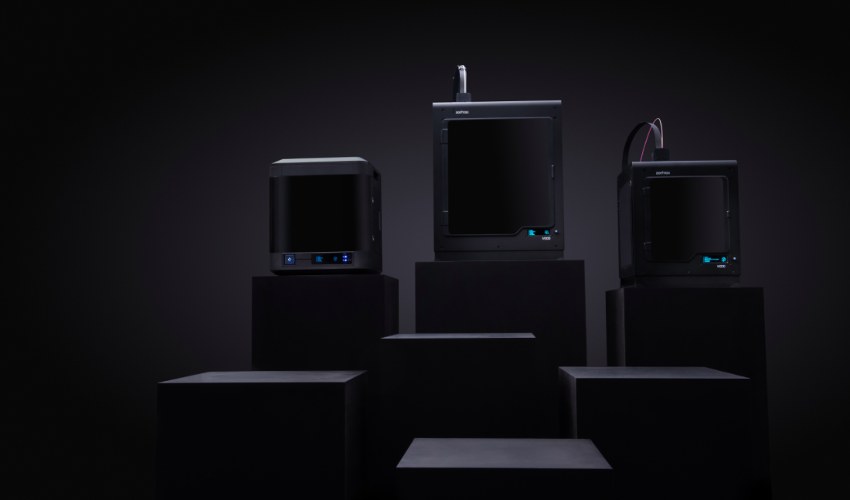 PrintersIs a RepRap 3D printer worth buying?The RepRap movement began with Adrian Bowyer in 2004 after the expiration of commercial 3D printing patents. RepRap machines are self-replicating machines that can 3D print parts of themselves to use to create additional machines. This original machine has led…
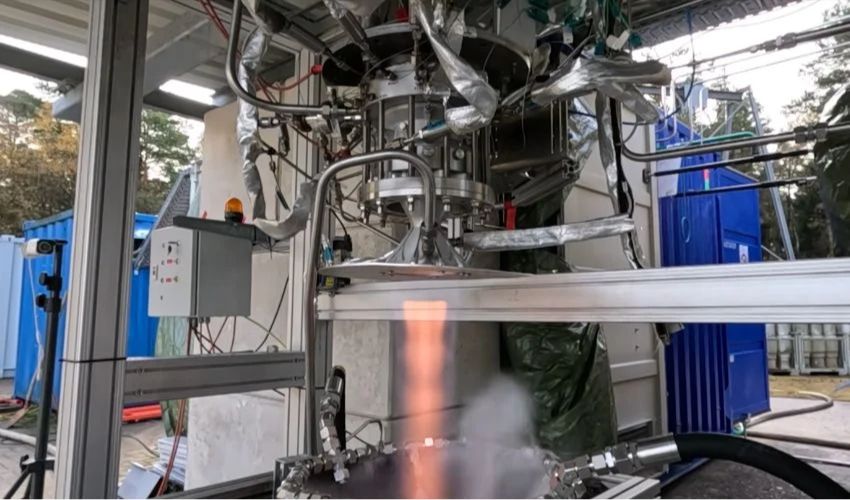 ApplicationsGreta, A New ESA Rocket Engine, Successfully Completes TestingAdditive manufacturing has established itself as a fundamental technology in rocket development, especially in the production of combustion chambers, as it allows for great freedom in terms of geometry. The most recent example of this application is the Greta engine,…
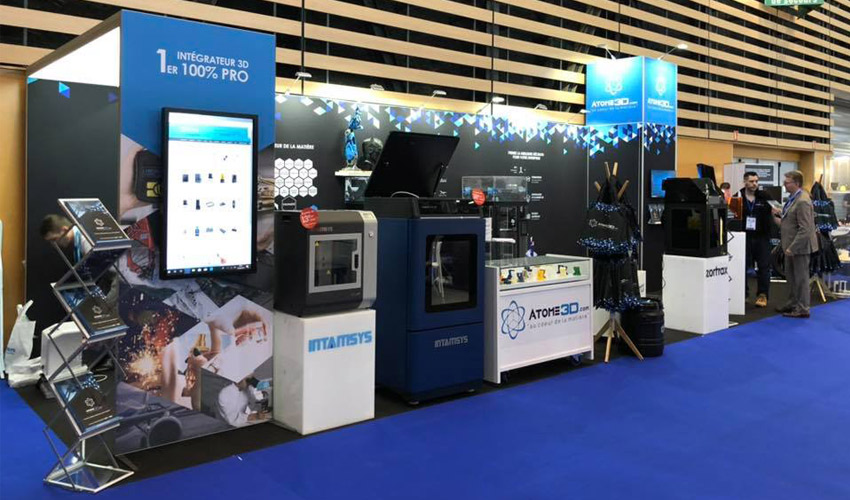 GuidesAtome3D on desktop 3D printing’s key role to accelerate productionThe company Atome3D is one of the main players in additive manufacturing in France. Today, it distributes a wide range of desktop 3D printing solutions, from printers, materials, to 3D scanners, and supports professionals and industrialists in the integration of…
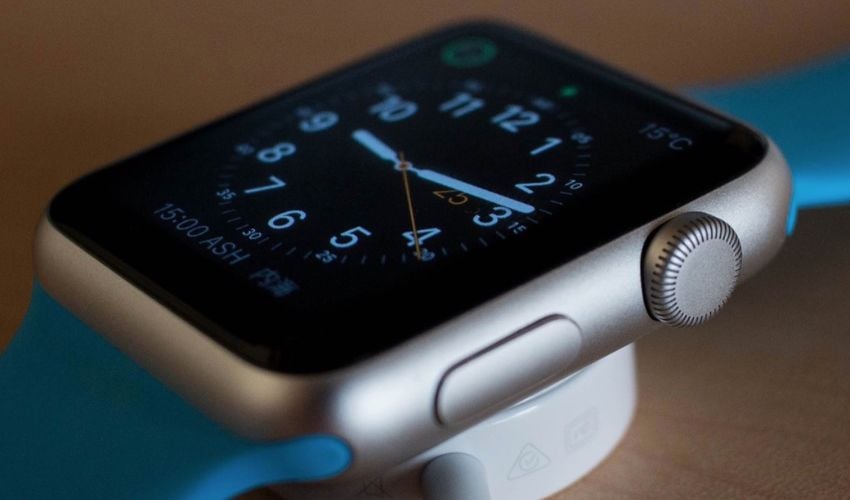 NewsApple To Use 3D Printing in Series 9 Apple WatchesEarlier this year, we reported on the rumor that Apple may be moving towards 3D printing its next series of Apple Watches. Ming-Chi Kuo, an analyst at TF International Securities and a reliable source for predicting Apple’s trends, said that…