Guides
How 3D Printing Mannequins at Scale Led to the Birth of a Digital Factory Platform
3D printing’s path to industrial scale has run through aerospace tolerances, medical implants, and automotive lightweighting. It has also, less famously, run through mannequins. The demand for faster collections, smaller batches, and more sustainable production in the displ
- 3 min read
- Guides
- Six more stories
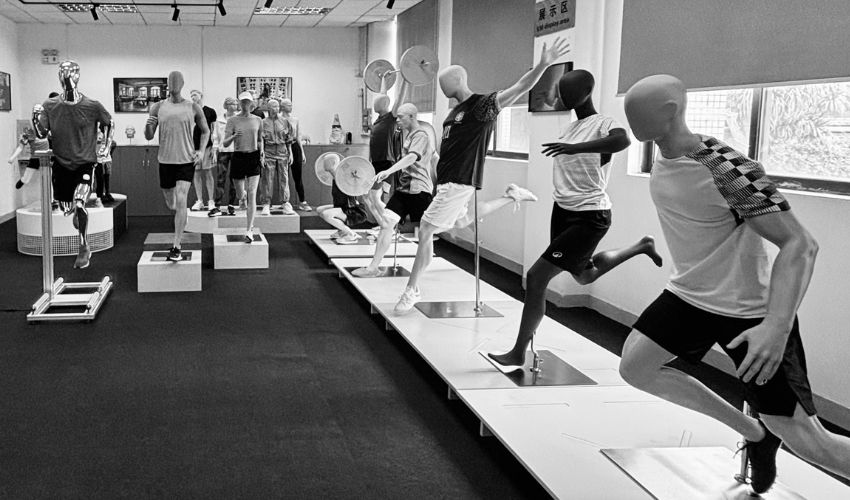
3D printing’s path to industrial scale has run through aerospace tolerances, medical implants, and automotive lightweighting. It has also, less famously, run through mannequins.
The demand for faster collections, smaller batches, and more sustainable production in the display and visual merchandising sector forced one company to push FDM beyond its typical limits. In doing so, the company built a production infrastructure that would eventually become something much larger, serving clients such as adidas, The North Face, and Atomic.
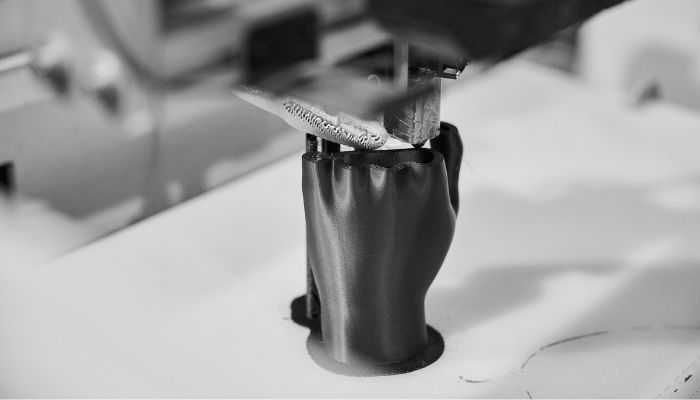
Vertex Group began by using FDM for 3D printing mannequins and props.
That company is Vertex Group, and the platform it led to the creation of is L3AD: a digital factory service launched in 2025 that gives industrial users access to a network of over 800 printers across China and Europe, without a single capital investment in machinery. But to understand L3AD, you have to go back to 2020, when Vertex set a new manufacturing standard through the mass production of mannequins and props using 3D printing.
More from the desk
Six other notes from the rest of the bench.
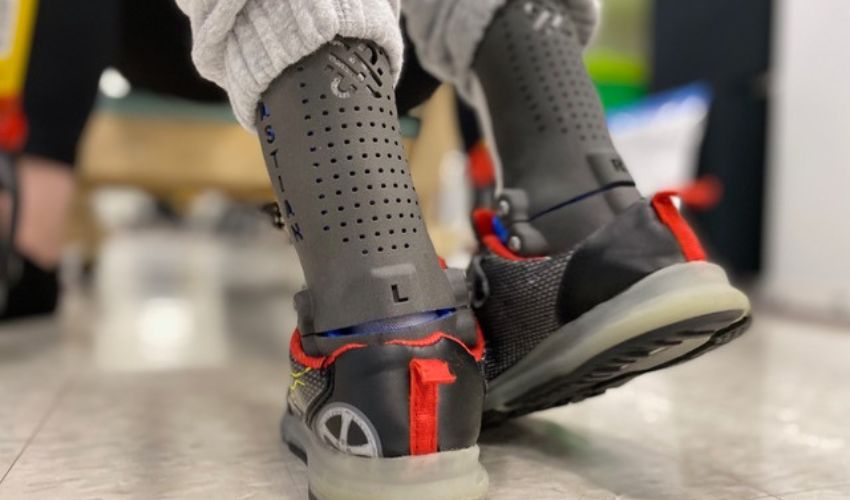 GuidesProthesia Facilitates Access to Orthotics and Prosthetics in Latin AmericaGone are the traditional methods of manufacturing orthoses and prostheses. 3D printing has made it possible to create these types of medical devices, making them lighter, stronger and adjustable to the specific needs of each person. Prothesia, a Mexican company,…
 Printers3Dnatives report: The most popular 3D printersThe 3Dnatives Comparator lists hundreds of 3D printers that range from Desktop and RepRap/kit printers to professional and industrial ones. Our Comparator includes a range of models that are based on various processes such as filament filtration and powder sintering,…
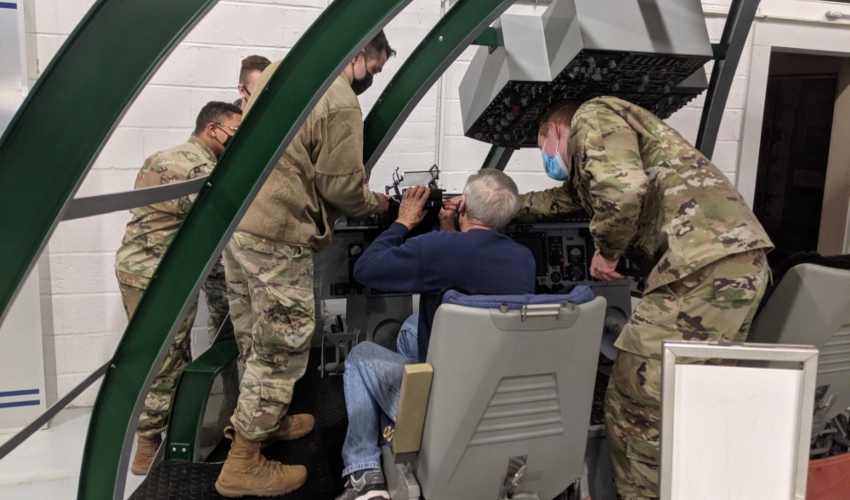 NewsRestoring Historic Aircraft with 3D Printing TechnologiesMaintaining a 70 year old aircraft is difficult, especially when parts are no longer manufactured and you can’t find original spares. The Air Mobility Command Museum at Dover Air Force Base, Delaware, houses many aircraft, some dating all the way…
 NewsTOP 5 VIDEOS: 3D printing for athletes…This week we found the top 5 videos about 3D printing and the way additive manufacturing is shaping our society. The technology has infiltrated many sectors, from medical to automotive! Check out our selection of the week to keep up with the innovations! This week we…
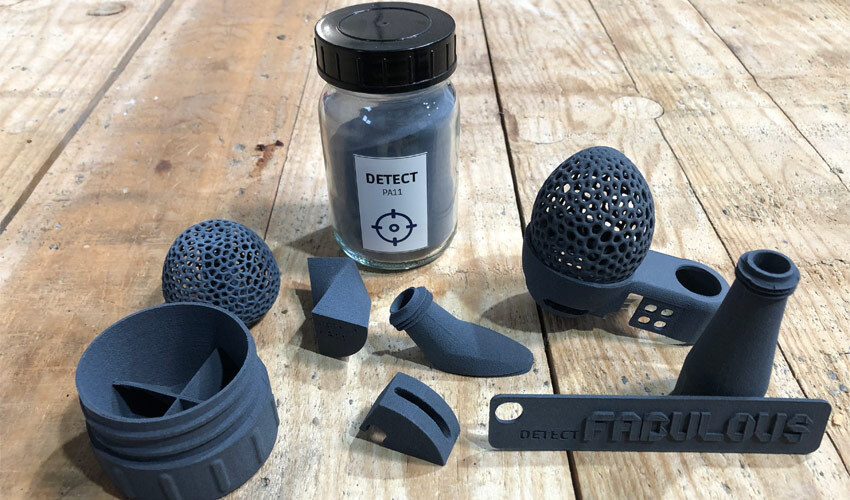 MaterialsFabulous is Presenting New Industrial Materials at Formnext 2021In 2020, Fabulous launched into the development of powders for additive manufacturing, more specifically thermoplastics for powder bed fusion processes. One of its first developments, BLUECARE, is a powder that has been certified for food contact in the European Union…
 NewsNASA creates new 3D printed chainmail for use in spaceWhen you think chainmail, you typically think of medieval warriors on horses, battling for the honor of their king. But now, thanks to NASA, a once medieval necessity is getting an upgrade for modern use. This chainmail, or as NASA…