Materials
Johns Hopkins APL Looks at Machine Learning for LPBF
Researchers at The Johns Hopkins University Applied Physics Laboratory (APL) have developed a new approach that integrates 3D printing with machine learning, specifically for laser powder bed fusion (LPBF). Essentially, the model allows them to create simulations useful for verif
- 3 min read
- Materials
- Six more stories
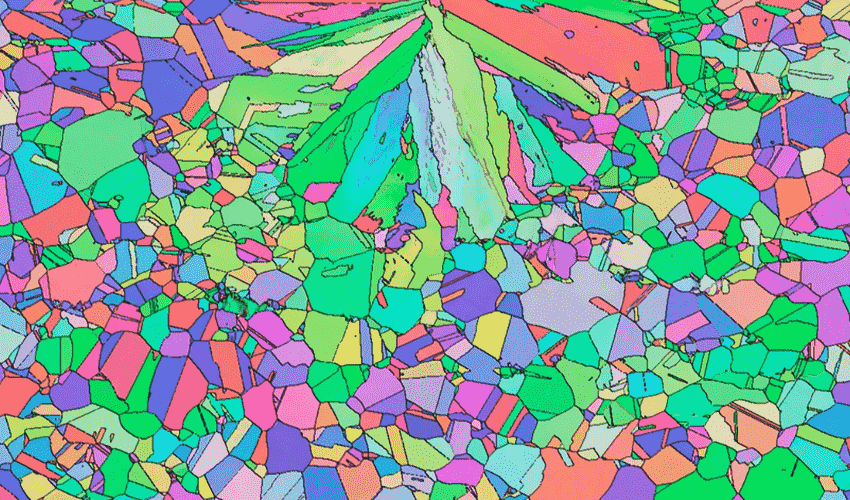
Researchers at The Johns Hopkins University Applied Physics Laboratory (APL) have developed a new approach that integrates 3D printing with machine learning, specifically for laser powder bed fusion (LPBF). Essentially, the model allows them to create simulations useful for verifying the production of materials created using LPBF. Machine learning is part of a branch of artificial intelligence and can be applied in various fields, from medical to aerospace.
The technique devised by APL makes it possible to predict what microstructure will be formed on the printing surface thanks to measurements made on the single layer of powder. To do this, researchers used computational modeling and simulation. These predictions of the object that will be created allow for early intervention in case of errors. This thus not only saves time, materials and costs, but also could exponentially increase the output of materials manufactured through LPBF technology.

This image shows the microstructure prediction process, which is achieved by analyzing the impact of cooling rate and temperature gradient on grain orientation and size.
This study is part of a larger body of work being conducted at The Johns Hopkins University Applied Physics Laboratory focused on using artificial intelligence to accelerate the discovery of new materials for extreme environments. Morgan Trexler, the liaison for APL’s Science of Extreme and Multifunctional Materials program in the Exploratory Research and Development Mission Area, commented, “We anticipate that this new approach will be extremely impactful in helping design and understand material formation during additive manufacturing processes, and this fits into our overarching strategy focused on accelerating materials development for national security.”
More from the desk
Six other notes from the rest of the bench.
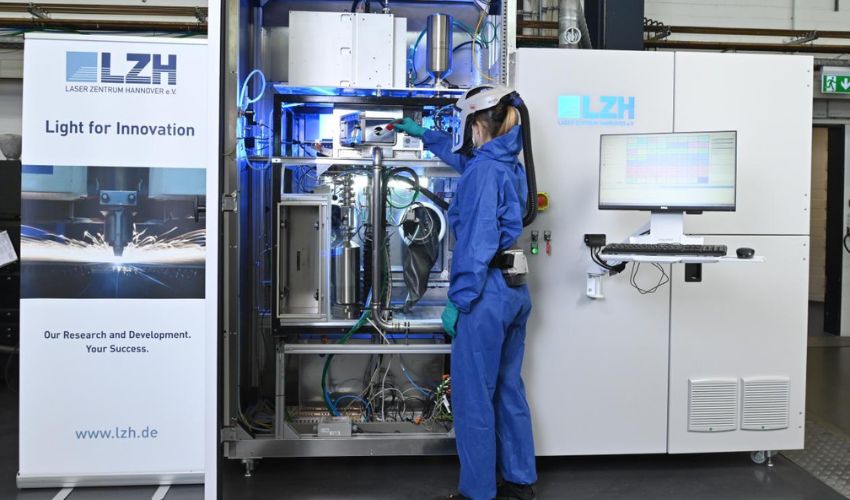 NewsCan Oxygen-Free Production Reduce Oxidation in Metal 3D Printing?Metalworking and oxygen are like oil and water, they do not mix well. Oxygen is a major disruptive factor in manufacturing, as it causes oxide layers to form. These in turn reduce the quality of a workpiece and lead to…
 MaterialsThe Common Kitchen Spice That Could Neutralize Light Scattering During Ceramic 3D PrintingYou might not be familiar with curcumin, but you certainly know turmeric: the vibrant spice native to Southeast Asia. Curcumin is the active chemical compound within turmeric responsible for giving it that iconic bright yellow hue. Extracted from the Curcuma…
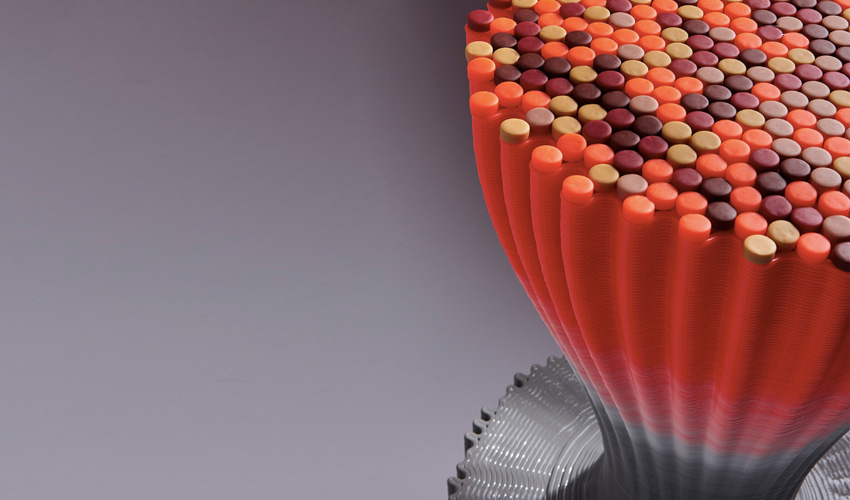 GuidesNagami, exploring the design of the future with new technologiesNagami is a design studio based in Ávila, Spain that has become known worldwide in recent months for the presentation of Zaha Hadid Architects chairs at the Milan Design Fair or the Voxel Chair v1.0 in the Georges Pompidou Museum in…
 ApplicationsApplication of the Month: Customizing Police Vehicles With SLS 3D PrintingPolice vehicles are not like other cars. Although they may look much like normal vehicles on the outside, apart from their lettering and sirens, they are very different on the inside. In fact, patrol cars are specially equipped to carry…
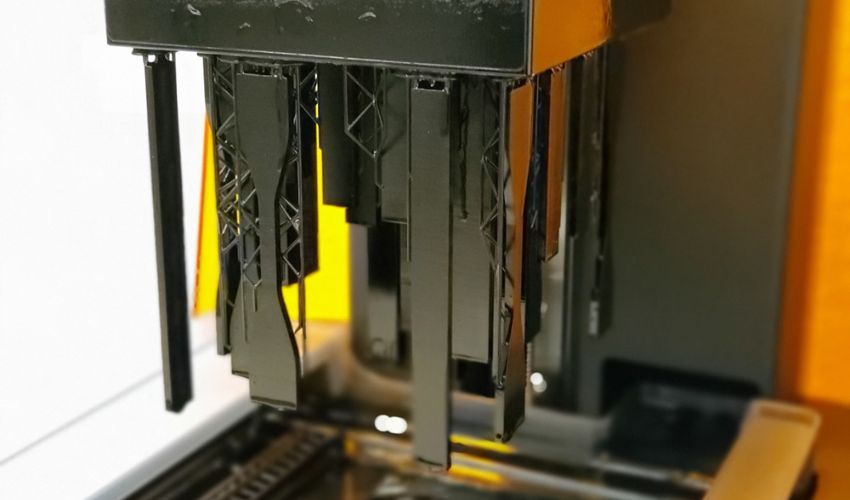 Materials#3DStartup: Mechnano on Creating Additive Manufacturing Materials With Superior PropertiesThough much focus in additive manufacturing is on the processes themselves, materials play a huge role in the final properties and characteristics of a part. It is for this reason that more and more we are seeing research and development…
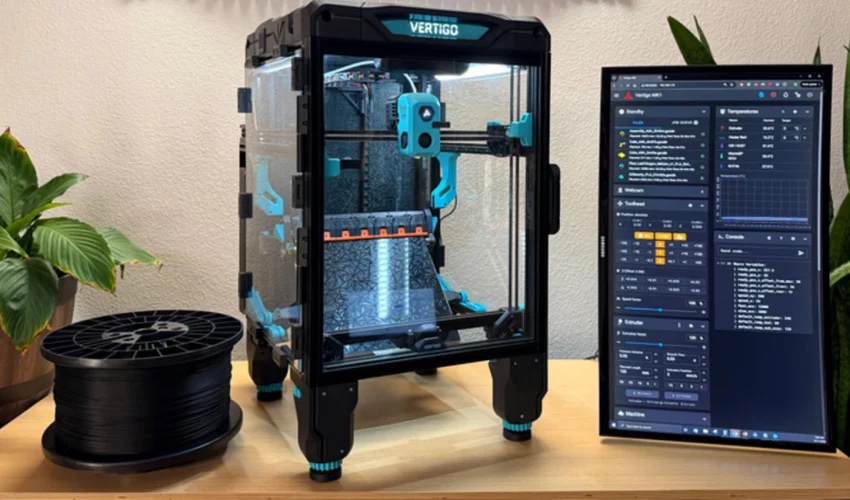 PrintersThe Vertigo MK1: The 3D Printer With an Innovative Auto-Ejection SystemIn recent years, there has been growing interest in 3D printing automation, particularly in print farms and professional environments looking to optimize their processes and reduce the need for intervention. The Vertigo MK1, currently campaigning on Kickstarter, promises to provi