Materials
igus on Food-Grade Plastics for 3D Printing
Germs and pathogens are everywhere in food processing and in supermarkets. It is therefore all the more important that there are uniform regulations for statutory hygiene standards within the EU and the US. These standards ensure that the spread of…
- 3 min read
- Materials
- Six more stories
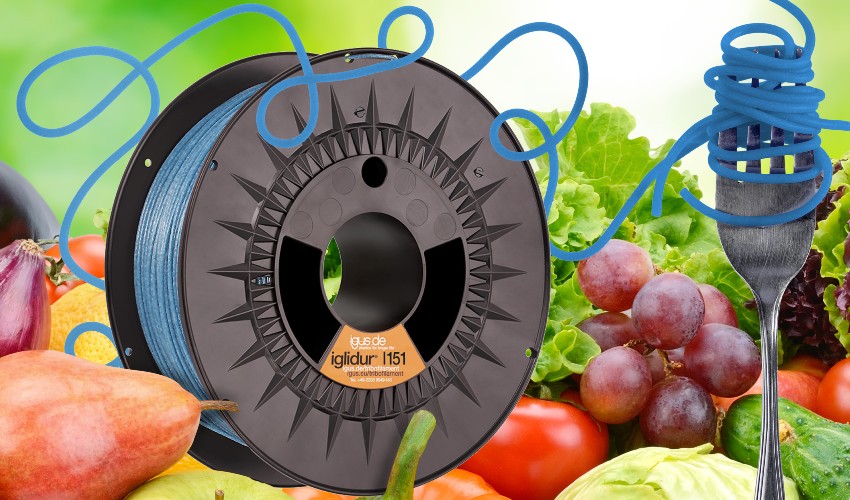
Germs and pathogens are everywhere in food processing and in supermarkets. It is therefore all the more important that there are uniform regulations for statutory hygiene standards within the EU and the US. These standards ensure that the spread of diseases can be reduced as much as possible. In order to protect people and the environment, in addition to operational and product hygiene, there is also a need for innovative materials which, due to their nature and surface structure, aim to facilitate the detection of possibly detached residues of the plastic in the food. This goal is also pursued by igus GmbH, one of the world’s leading manufacturers in the field of energy chain systems and polymer plain bearings. This is because its range of materials includes food-grade plastics that are suitable for use in food processing machinery and production processes. To find out more about the 3D printing polymers, we talked to Tom Krause, head of additive manufacturing at igus, in an insightful interview.
3DN: Can you briefly introduce yourself and your connection to 3D printing?

My name is Tom Krause and I am the head of the Additive Manufacturing business unit at igus GmbH. I have been involved with additive manufacturing since 2013 – initially just as a hobby and shortly thereafter also at igus with the development of self-lubricating plain bearing materials for 3D printing. In the meantime, we additively produce more than 150,000 wear parts per year in Cologne, for example plain bearings, gear wheels or drive nuts. Since 2019, this has been joined by the igus subsidiaries in the USA and China, which also produce durable plastic components locally using 3D printing.
3DN: The igus material range also includes food-grade plastics. Can you explain to us what distinguishes these from others?
At igus, we deal exclusively with so-called “motion plastics”, which are tribo-polymers for moving applications. These can be plain bearings, gear wheels, drive nuts or special sliders, or even energy chains and low-cost robots. So the field of application is very broad. Like all igus plastics, our 3D printing materials are self-lubricating and also up to 50 times more abrasion-resistant than standard 3D printing materials. This is the key differentiator that sets us apart from other materials in additive manufacturing. The same is true for our food-grade plastics, with the only difference being that they are also food-grade according to FDA and EU 10/2011.
More from the desk
Six other notes from the rest of the bench.
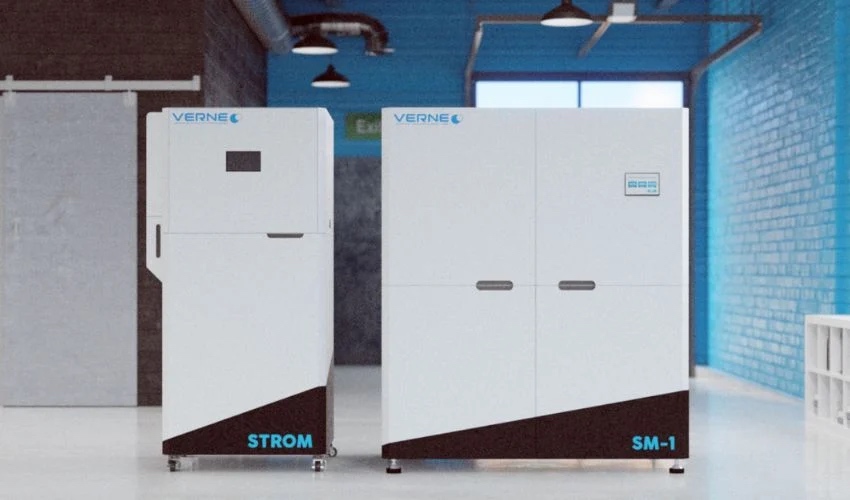 PrintersVerne Unveils More Affordable PEKK SLS 3D PrinterIt is no secret that there are very few SLS 3D printers that are compatible with high-performance polymers. In particular, SLS-PEKK 3D printing has found it difficult to establish itself on the market, as the acquisition costs are higher than…
 NewsTop 5 Videos: The first 3D printed jet-powered aircraftThis week we found the top 5 videos about 3D printing and the way additive manufacturing is changing production. The technology has infiltrated many sectors, from medical to automotive – check our selection of the week to keep up with the innovations! If you enjoy these, you&hell
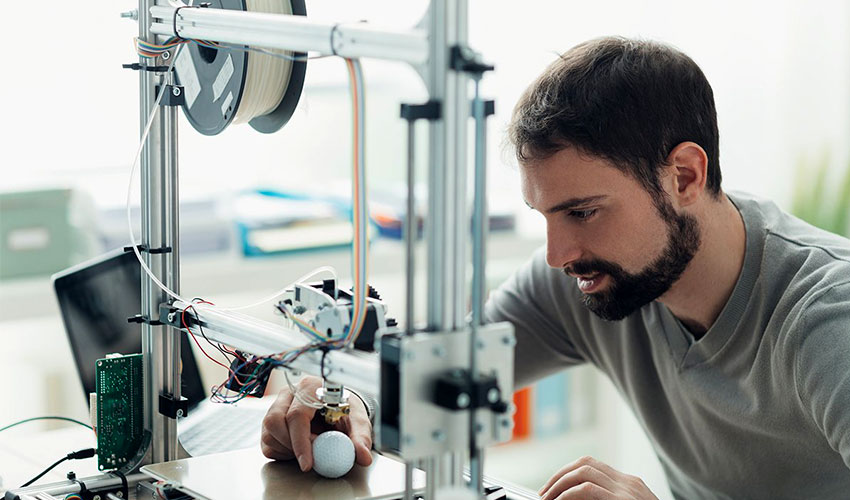 NewsWill 3D Printing Wages Increase in the Future?A 2014 study by the Employment Orientation Board was commissioned to determine the future of jobs in certain industries, concluding over 50% of jobs we know of today are likely to disappear within our lifetime. However, there are new industries…
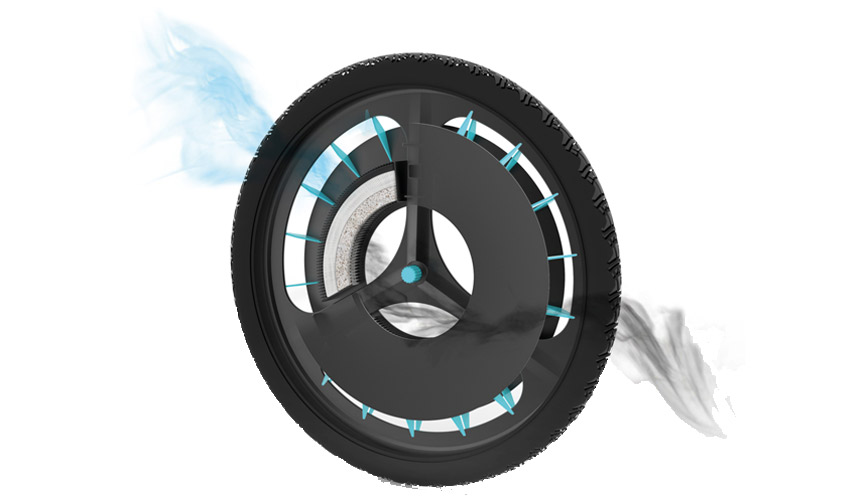 NewsAir purifying bicycle wheel made with 3D printingPeople switching from cars to bicycles is already an important step towards cleaner air, especially in big cities, where the pollution is reaching alarming levels. But what if we could take it a step further? What if your bicycle could actually…
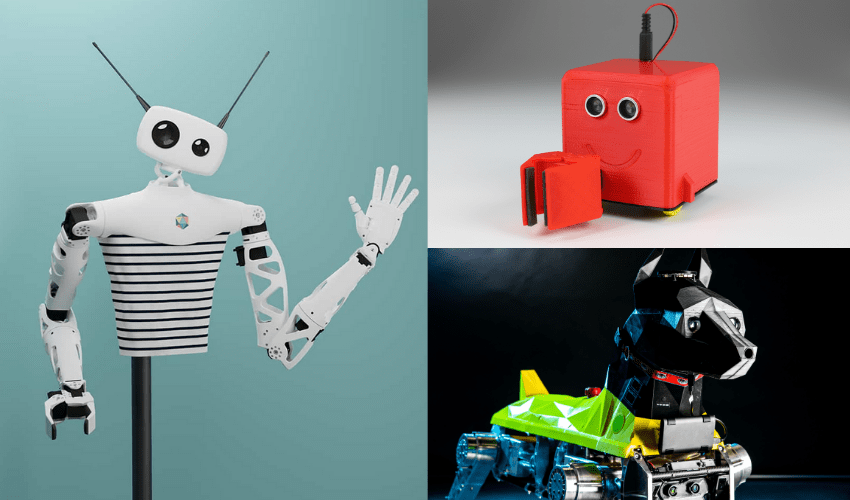 GuidesThe Top 3D Printed RobotsRobotics brings together all the technologies that make it possible to design autonomous machines; combining knowledge in electronics, mechanics, and even biology. This is a field that has evolved quite a bit since C-3PO first hit the movie screens in…
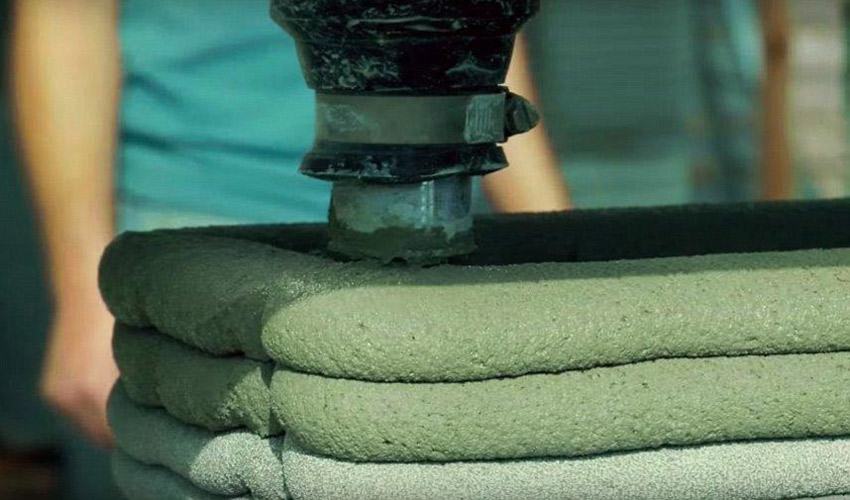 NewsICON unveils its new robotic home 3D printer, Vulcan II3D concrete printer manufacturer ICON has just unveiled an improved version of its previous machine, the Vulcan II. The Vulcan II will be ICON’s first commercially available construction printer, designed to build houses even faster, at a very attractive price.…