Guides
How to recruit and be recruited in the 3D printing sector: Experts give their advice!
The supply and demand for jobs in the additive manufacturing sector is growing rapidly and both companies and candidates must prepare for the changes underway. According to the 2018 The Future of Jobs report, new jobs related to Industry 4.0…
- 3 min read
- Guides
- Six more stories
The supply and demand for jobs in the additive manufacturing sector is growing rapidly and both companies and candidates must prepare for the changes underway. According to the 2018 The Future of Jobs report, new jobs related to Industry 4.0 and additive manufacturing have increased by 16%, a figure that is expected to rise to 27% by 2022. Additionally, the technology is becoming a production-ready process for industrial applications, which naturally brings changes to the types of profiles sought after by companies. To prepare for these changes, we asked three experts in additive manufacturing their thoughts on how to recruit and be recruited in the 3D printing sector. What are the key challenges of recruitment in the AM industry?
Our first expert is Phillip Hodson, Managing Director at Kensington Additive, a branch of Kensington Consulting Ltd. The UK-based company moved to additive manufacturing 5 years ago and has been lucky to partner with some big names in the industry. Our second expert is Eduardo Alonso, General Manager at EOS, one of the leading manufacturers of industrial solutions for the industry. Last but not least, we spoke to Nick Pearce, the CEO and Co-Founder of i-AMdigital, a career platform for the 3D printing market.



What are the most sought-after profiles in the 3D printing industry?
In the study we carried out this year on the evolution of the 3D printing job market, we found that job positions were very varied. Interestingly, in more than 70% of cases, these were long-term positions, which showcase the shift towards a long-term adoption of the technology. Nevertheless, given the nature of this industry, more technical competence is often a must across roles. Nick Pearce explains: “3D printing is evolving from a tool used predominantly for rapid prototyping to a production technology that can support wider digital manufacturing objectives. As the technology matures the skills required by organisations adopting the technology become more complex.” If we break it down into three highly-demanded skills there is high level materials science, in particular polymer chemistry and powder metallurgy, design for additive manufacturing, and finally quality engineering. Nick adds, “When industries like aerospace and medical start to use AM for end use part production, quality assurance is critical. The 3D printer manufacturers need to ensure their machines can deliver consistently high quality parts on a repeatable basis and need to qualify their machines for tough industry standards.”
More from the desk
Six other notes from the rest of the bench.
 PrintersEva de Goede’s 3D Printed Brace Helps Her Win EuroHockey 2021Eva de Goede, three-time Olympic field field hockey champion with the Netherlands, broke her wrist shortly before the 2021 European Championship. Not wanting to leave one of its best players on the bench, the Dutch team tried to find solutions…
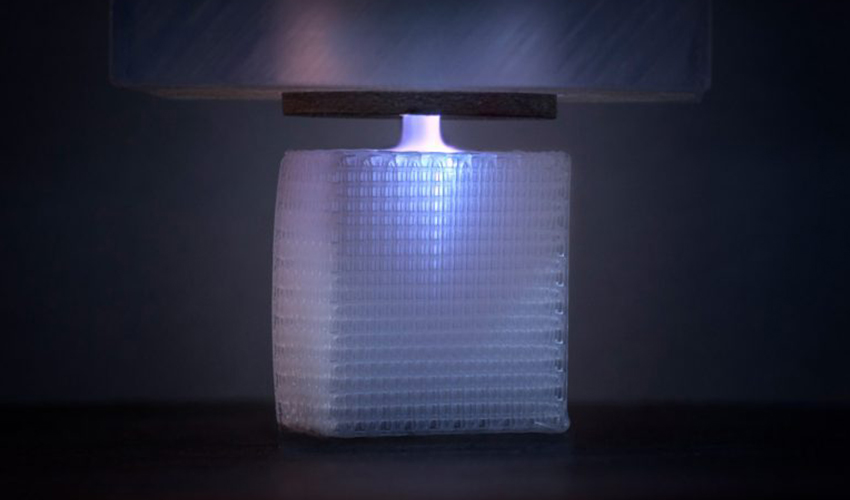 News3D printed bone implants thanks to plasma injectionResearchers at the German Fraunhofer Institute has announced a new technique for the development of 3D printed bone implants. It involves injecting plasma into the implant, thereby promoting cell growth inside and outside the implant which should allow the natural recovery&hellip
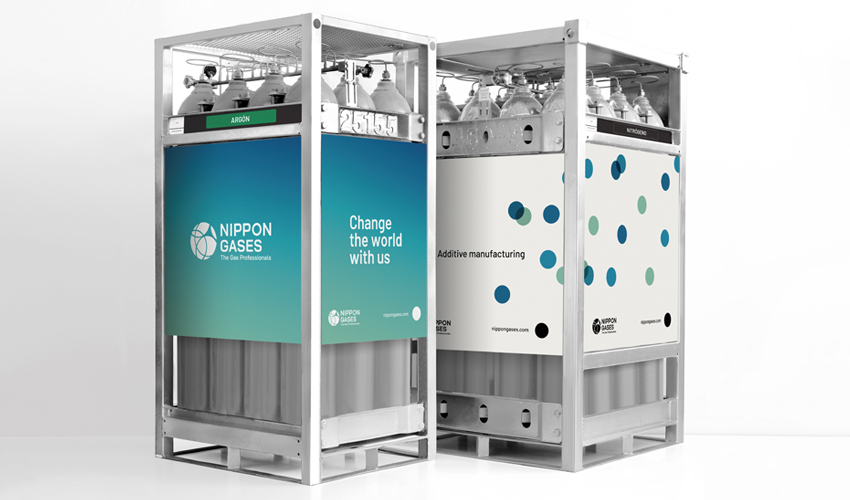 GuidesNippon Gases on Developing Gases for the Additive Manufacturing SectorIn additive manufacturing processes, many different systems coexist to ensure that the machines run smoothly to produce quality parts. One of them is the supply of gases for processes where stable temperatures are required – this is the case with…
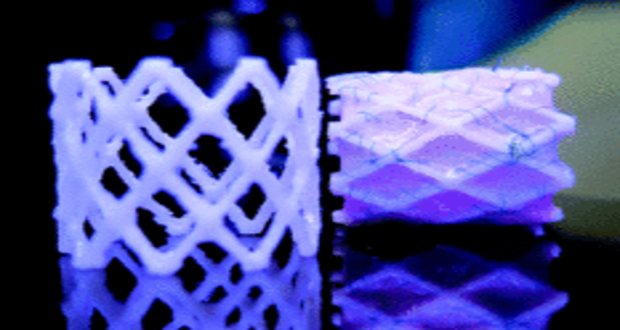 ApplicationsResearchers in the Netherlands 3D print stents for pediatric patientsResearchers at Eindhoven University of Technology (Tu/e) in the Netherlands have used 3D printing technology to create a new innovation for the future of pediatric medicine. Their creation: a 3D printed biodegradable stent that grows within the pediatric patient. For…
 ApplicationsEasy to Swallow: Deglumed’s Personalized Medicine Uses 3D PrintingDeglumed is a project that aims to move towards personalized medicine. Through the use of various technologies, including 3D printing, the aim is to create drugs that adapt to the needs of each patient. This initiative could make it easier…
 NewsScientists Double the Solidity of 3D Printed AluminumIn Russia, scientists from the National University of Science and Technology (NUST MISIS) presented their research on a method of producing ultra-high purity alumina (UHPA) capable of doubling the strength of printed aluminum composites In 3D. We would have components similar&hel