Guides
How to integrate 3D printing in your company: Experts give their advice!
Today, 3D printing technologies are changing the way companies manufacture some parts. In fact, by integrating additive manufacturing into a company, it is possible to rethink the production process of various parts – from prototypes to end-use parts – in…
- 3 min read
- Guides
- Six more stories
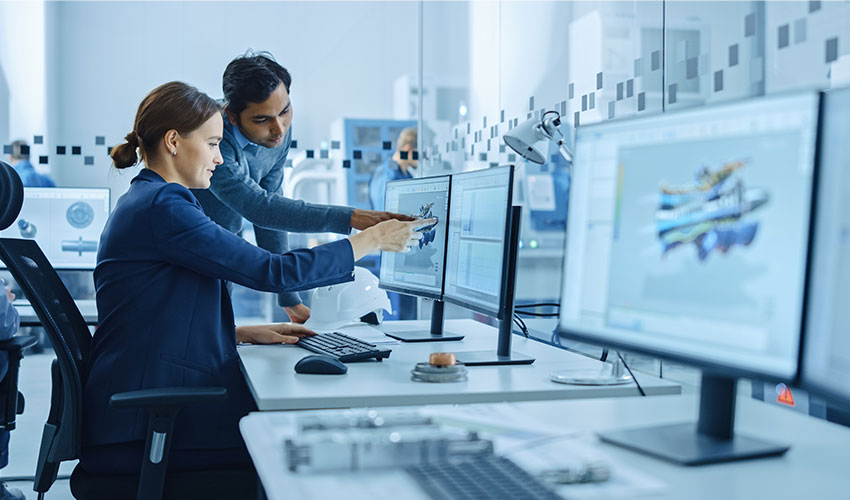
Today, 3D printing technologies are changing the way companies manufacture some parts. In fact, by integrating additive manufacturing into a company, it is possible to rethink the production process of various parts – from prototypes to end-use parts – in a more optimal way. According to Sculpteo’s State of 3D Printing 2020, 80% of the survey’s participants have been using 3D printing for at least 2 years to create complex parts, multiply iterations, reduce time to market, and lower production costs. In another study by Dimensional Research, it’s 88% of stakeholders surveyed that agreed that the industry could save in the billions of dollars in production costs by adopting the technology.
While the benefits of adopting 3D printing technologies are well documented, many companies remain hesitant to make the investment. Sculpteo’s survey also reveals that 59% of participants believe that entry costs are too high and that there is a lack of knowledge in this sector to make a proper investment. So, when and how should a company invest in 3D printing? We asked three experts to tell us more about what a business needs to consider before making the investment. We talked to Dr Heiner Lang, member of the Board of Directors of BOSCH Rexroth AG, and responsible for factory development and automation; Christophe Eschenbrenner, 3DEXPERIENCE Marketplace Enterprise Senior Sales Manager at Dassault Systèmes; and André Venzal, Co-Founder of Rupture Tech Consulting, a distributor of additive manufacturing solutions thanks to its partnership with OKM3D.



When does it make sense for a company to integrate 3D printing?
Additive manufacturing emerged in the 1980s, and was almost exclusively employed to develop prototypes quickly and cheaply. At the time, AM was often referred to as a Rapid Prototyping technology. However, in recent years, the technology has experienced a rapid growth: the AM workflow has been optimized and more materials have been introduced and qualified to develop a repeatable and precise process. Following this development, companies started using the technology not only to create prototypes, but also to design and manufacture all types of end-use parts.
More from the desk
Six other notes from the rest of the bench.
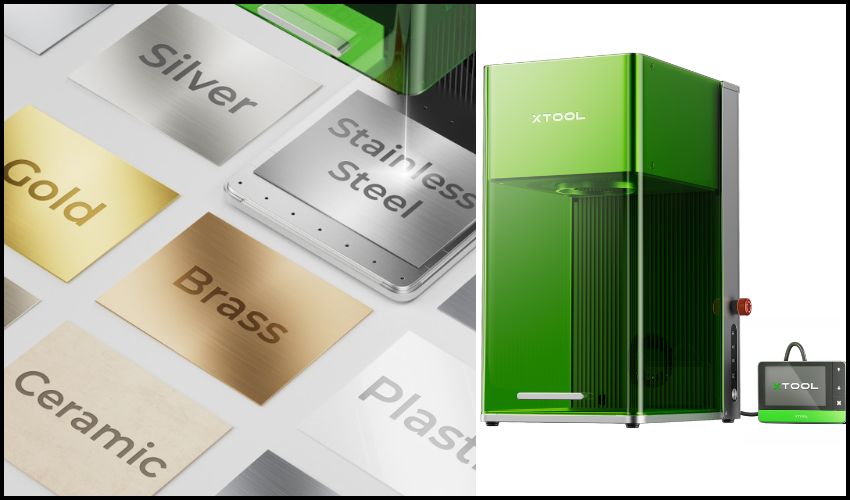 NewsxTool F1 Ultra: Combined Laser Power for Even Greater Efficiency and ProductivitySmall businesses and creative professionals need strong allies to realize their ideas. They must have access to the right materials, hardware and software, as well as the space and budget to do so. Once these requirements have been met, the…
 NewsTop 5 Videos: 3D Printing Takes Gold at the Repair Center at the ParalympicsWe have come to the end of another week! Now that September is starting to ramp up, the additive manufacturing industry is also waking up after the summer vacation with new stories coming out every day, including videos. So let’s…
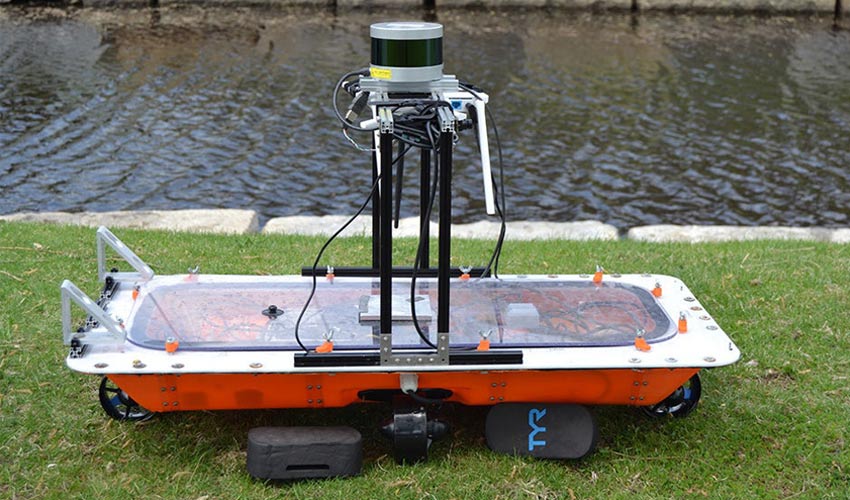 ApplicationsRoBoat 3D printed autonomous boats in AmsterdamA team of researchers at MIT’s Computer Science and Artificial Intelligence Laboratory (CSAIL) are working with the Institute of Advanced Metropolitan Solutions in Amsterdam on a project called RoBoat. The goal is to create a system of autonomous boats that…
 ApplicationsStewart-Haas Racing Partners with 3D Systems for Enhanced Mustang Dark HorseStewart-Haas Racing has continually sought innovative methods to enhance their vehicles’ performance in the highly competitive NASCAR series. In line with the emerging trend of leveraging additive manufacturing within motorsports, Stewart-Haas Racing has announced their col
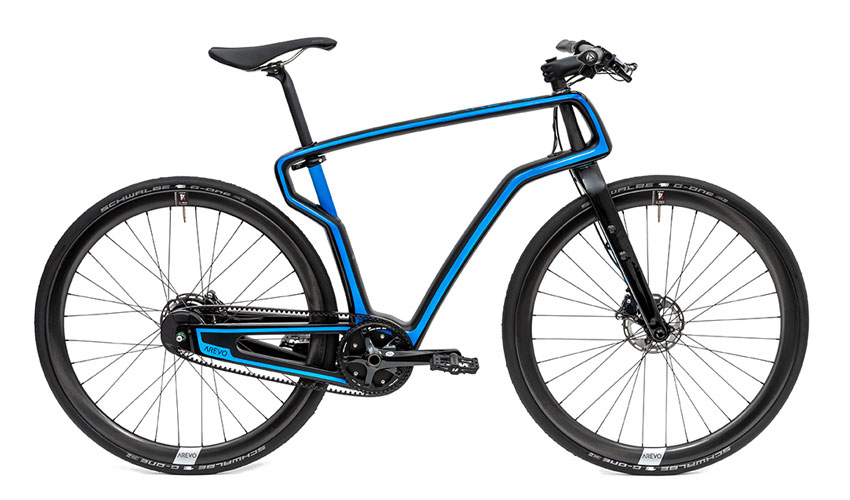 NewsMeeting with Arevo and hearing about their 3D printed bikeAREVO is a young Californian startup that has developed an additive manufacturing platform consisting of a 6-axis robot capable of extruding different types of plastics and polymers, including carbon fibre. It wants to revolutionise the manufacturing sector by relying on…
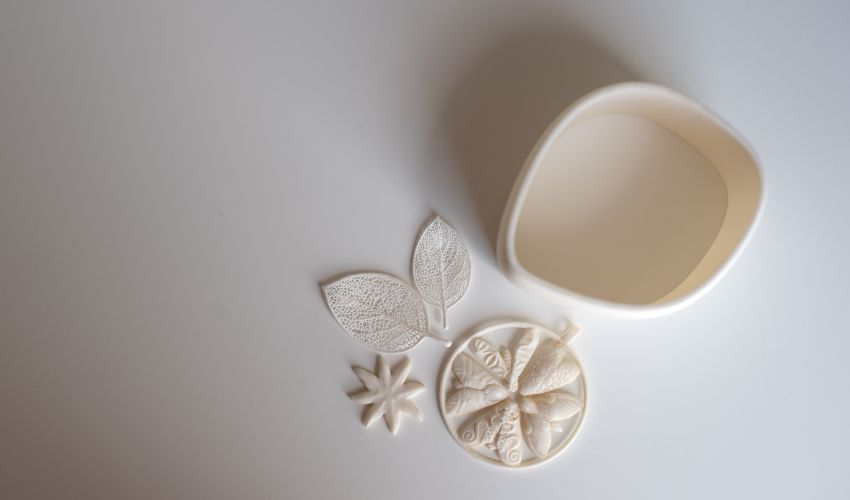 Materials“Sustainable is Beautiful” – Eburo on Vegan Ivory for 3D PrintingIvory is considered one of the most precious materials in the world and has fascinated mankind since time immemorial. It is the substance from the tusks of elephants or mammoths, although nowadays it is mainly the tusks of the African…