News
How Can 3D Technologies Help Solve Crimes?
It’s a common motif on both movie screens and TVs: a murder is committed and the police investigate to find the culprit. The most modern techniques are used and the culprit is usually quickly arrested. And of course, this has…
- 3 min read
- News
- Six more stories

It’s a common motif on both movie screens and TVs: a murder is committed and the police investigate to find the culprit. The most modern techniques are used and the culprit is usually quickly arrested. And of course, this has roots in reality. Every year, almost half a million people worldwide lose their lives as a result of deliberate homicide. In 2023, the homicide clearance rate in the United States was around 50%, but these rates vary from country to country. Additionally, 3D technologies are playing an increasingly important role in investigative work and forensic science, generally contributing to its success. Today, very few homicides are not investigated using 3D reconstructions or 3D scanning techniques.
3D forensics is an essential component of modern forensic science. It involves the reconstruction, analysis and processing of criminal acts using 3D tools and human decisions.This autonomous field is increasingly used in criminal law and to solve crimes.To better understand the role of 3D technology in investigative work and the analysis of forensic evidence, we spoke to a number of experts.

3D technologies are increasingly used directly at crime scenes (photo credits: APA/Georg Hochmuth).
The Use of 3D Technologies in Forensic Science
3D technology makes it possible to collect and analyze not only digital media, but also physical evidence, such as printed objects. This can be done via 3D scanning and additive manufacturing.
More from the desk
Six other notes from the rest of the bench.
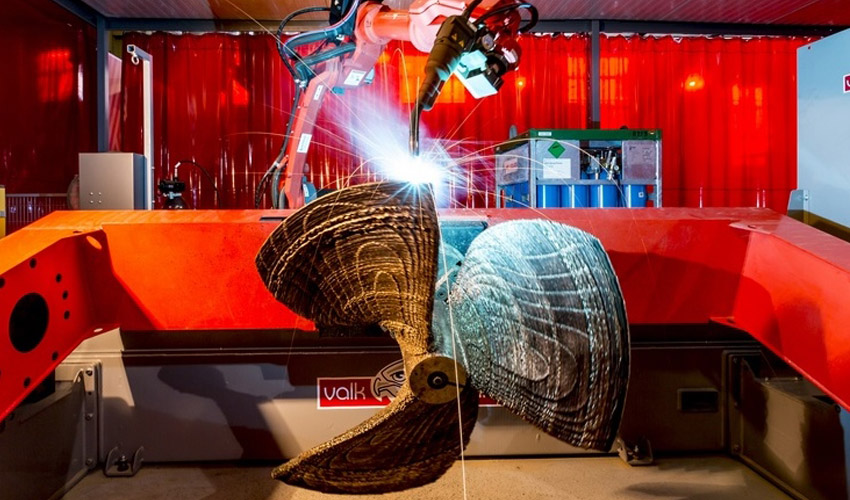 ApplicationsRAMLAB continuous forward in their creation of a 3D printed boat propellerIn the port of Rotterdam, the biggest port in Europe, a 3D printing lab was set up some time ago to test additive manufacturing in the shipbuilding sector: RAMLAB propellers for boats. Last May you may remember that we presented…
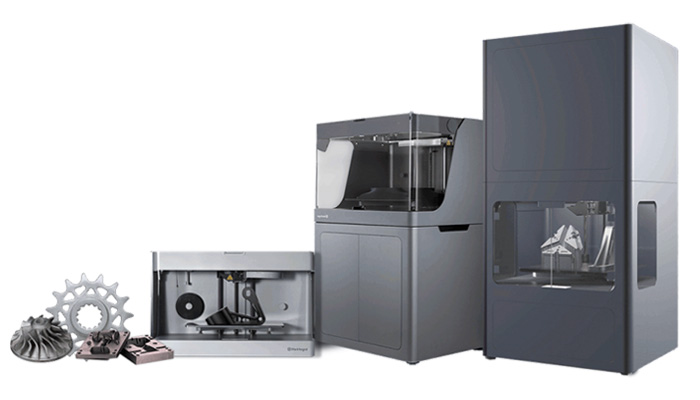 PrintersMarkforged launches two new industrial printers: the X3 and X5In less than 3 years, American 3D printing company, Markforged, has managed to position itself as one of the leaders in the 3D printing industry, with their main mission being to make additive manufacturing more accessible to people and industries. Today,…
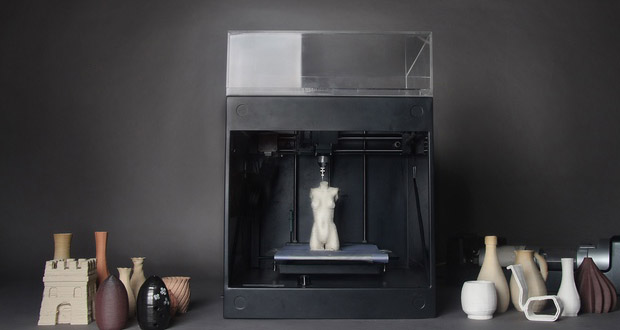 PrintersClay XYZ, a new clay 3D printer that will bring the artist out of youDeveloped by Eponymous, the Clay XYZ is a new 3D printer that takes 3D printing to a new level by printing with clay. After recently starting a Kickstarter campaign that has already surpassed their goal of $10,000, this machine is…
 Materials#3DStartup: Mechnano on Creating Additive Manufacturing Materials With Superior PropertiesThough much focus in additive manufacturing is on the processes themselves, materials play a huge role in the final properties and characteristics of a part. It is for this reason that more and more we are seeing research and development…
 NewsIn Scotland, The LACRIMA Foundation is Making 3D Printed Wooden BeehivesThere have already been attempts in the past to counteract bee mortality with the help of 3D-printed beehives. The company HIIVE, for example, uses recycled materials to create a habitat for honey bees that is as close to nature and…
 NewsINDUSTRY From Needs to Solutions, the evolution of industry 4.0In the next few days, the 4th edition of INDUSTRY From Needs To Solutions will be held in Barcelona, since its inception the fair has collaborated in the growth of the so-called Industry 4.0. Between the 29th and 31st of…