Materials
All You Need to Know About HIPS for 3D Printing
HIPS (High Impact Polystyrene) is a thermoplastic polymer based on a mixture of polystyrene and polybutadiene rubber. Many popular materials in 3D printing are particularly characterized by their resistance to chemical solvents. However, in the case of HIPS, the solubility&hellip
- 3 min read
- Materials
- Six more stories
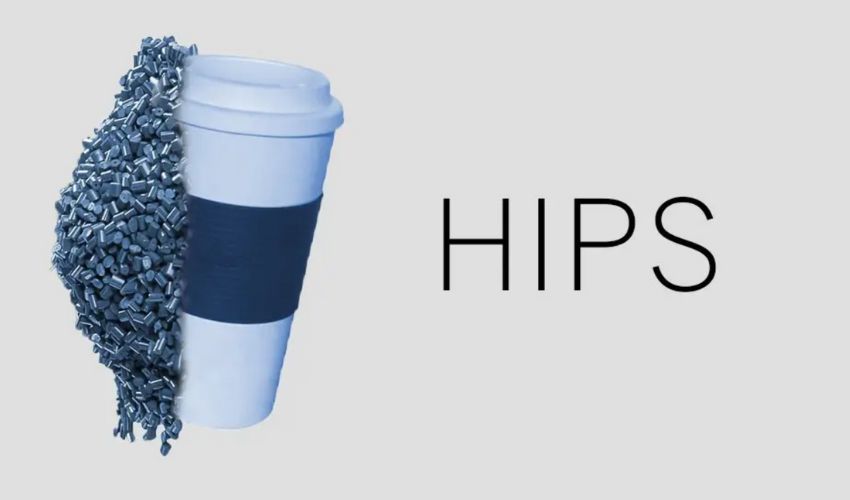
HIPS (High Impact Polystyrene) is a thermoplastic polymer based on a mixture of polystyrene and polybutadiene rubber. Many popular materials in 3D printing are particularly characterized by their resistance to chemical solvents. However, in the case of HIPS, the solubility is a great advantage because the material is mainly used in filament form as a support material in FDM 3D printing. Backing materials, or support structures, are used to print parts that have an angle of more than 45 degrees to prevent them from slipping or breaking during the printing process. After the printing process is completed, these structures are removed, which is easier with materials such as HIPS, which have high solubility. This article reviews the properties of HIPS as a filament and the advantages it offers as a support structure.
Production and Characteristics
HIPS (High Impact Polystyrene) is a widely used material in 3D printing due to its versatility and unique characteristics. The material is derived from polystyrene, a synthetic polymer commonly found in various consumer products. HIPS is produced through extrusion, where the filament is melted and then extruded through a nozzle to create the desired shape layer by layer. It has similar properties to ABS, but is harder and more impact resistant. As already mentioned, the material is particularly characterized by its comparatively high solubility in relation to certain chemicals, which allows for relatively smooth separation when used as a support structure. HIPS can be dissolved in a specific solvent, such as limonene, without damaging the main printed object. This property makes it perfect for complex designs and intricate structures. It is typically used in the area of ABS printing as support structure, and the temporary stability of the HIPS form plays a central role here. It also has a smooth and scratch-resistant surface, it is heat resistant, and its white translucent color simplifies coloring.
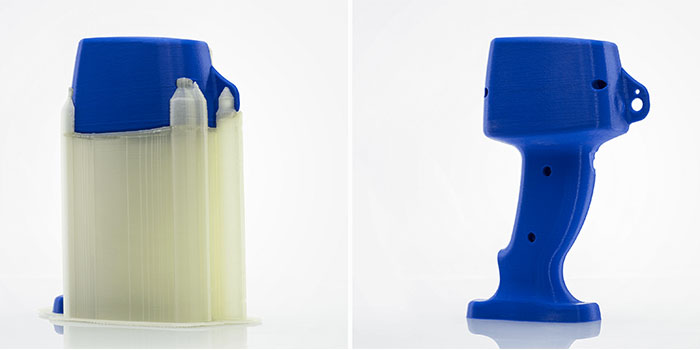
HIPS is mainly used as a support structure (Image credits: Zortrax)
However, HIPS plastic, despite its advantages, also has some disadvantages that must be considered. One drawback is its vulnerability to degradation when exposed to various chemicals such as solvents, acids, and alkalis. This can result in brittleness, discoloration, or breakdown of the material over time. Additionally, HIPS has a low temperature resistance and can become brittle in cold environments, making it unsuitable for applications exposed to extreme temperatures. Another limitation is its limited resistance to UV light, causing yellowing and brittleness with prolonged exposure, which reduces its overall lifespan.
More from the desk
Six other notes from the rest of the bench.
 SoftwareAll You Need to Know about Bambu Studio, the Open-Source Slicer From Bambu LabPopular Chinese manufacturer Bambu Lab is currently one of the players dominating the consumer market for FDM 3D printers. The company is continuously working to outdo itself and recently announced the launch of new machines in 2025. In addition to…
 GuidesThe 3D Printing Events You Don’t Want to Miss This YearEvery year in the world, users and actors of additive manufacturing and 3D printing meet at dedicated events, whether fairs, conferences or shows. They are the perfect opportunity to discover the latest innovations in the market and to interact with…
 NewsCultArm3D, an Automated Robotic Arm That Can Scan Cultural Objects in 3DFraunhofer Institute for Computer Graphics (Fraunhofer IGD for short), the leading world’s leading organization for application-oriented research, has developed a mobile 3D scanner called CultArm3D that can produce precise 3D models of exhibits of various sizes at the touch
 Materials3D printed planes will be lighter and fly furtherHRL Laboratories have made a breakthrough; a way to reliably 3D print high-strength aluminum alloys. You’re hungry. The baby’s crying. The picturesque sites of Australia that the travel company promised you has been exchanged for some corrugated steel and a…
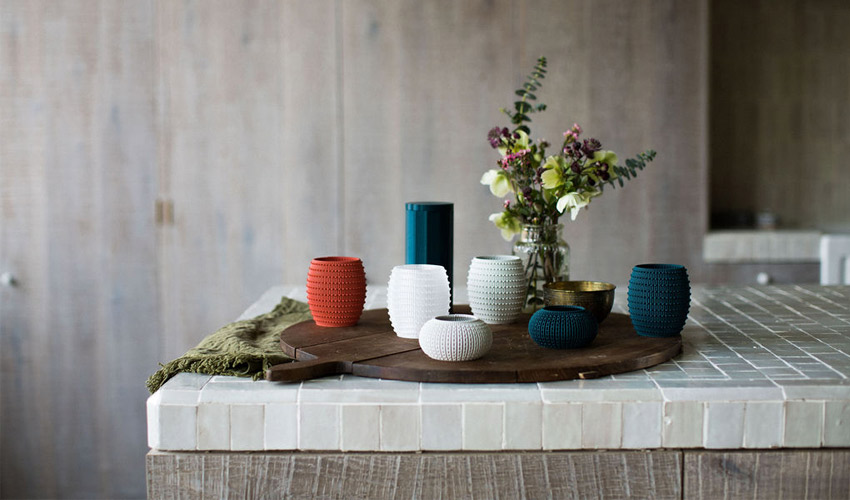 GuidesBatch.works, 3D printing sustainable decorative objectsIn the design sector, 3D printing makes it possible to achieve high levels of geometric complexity while offering a high degree of customisation. These are two key advantages that interest many creators today, regardless of their core business. Today, we…
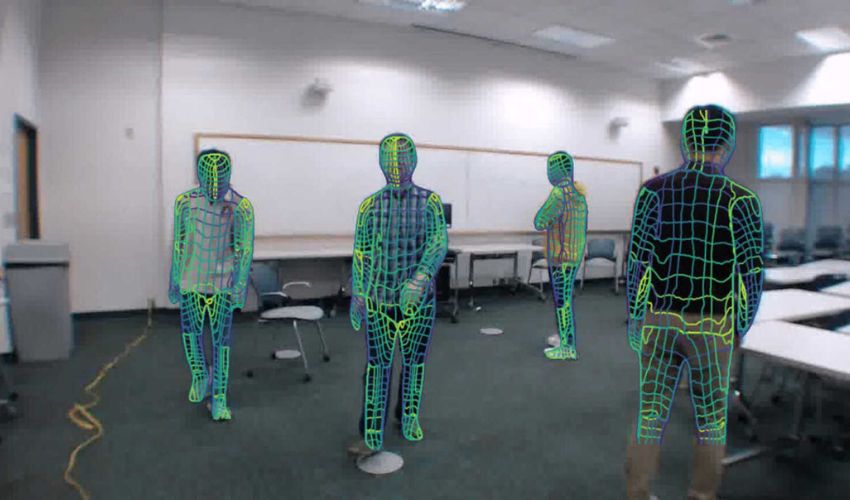 PrintersCould Wi-Fi Be Used to Detect Human Locations?One of the technologies which has been become increasingly sensitive over the years has been 3D scanning technologies, notably LiDAR, or Light Detection and Ranging. From its origins of just barely being able to detect a shape and certainly nothing…