Printers
Could Wi-Fi Be Used to Detect Human Locations?
One of the technologies which has been become increasingly sensitive over the years has been 3D scanning technologies, notably LiDAR, or Light Detection and Ranging. From its origins of just barely being able to detect a shape and certainly nothing…
- 3 min read
- Printers
- Six more stories
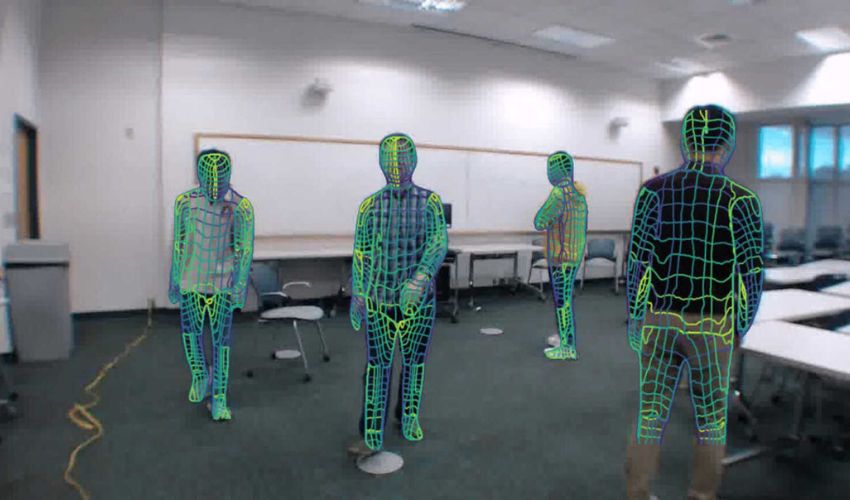
One of the technologies which has been become increasingly sensitive over the years has been 3D scanning technologies, notably LiDAR, or Light Detection and Ranging. From its origins of just barely being able to detect a shape and certainly nothing with details, it has now come to be able to perfect recreate objects and even humans. But what about when that goes too far? Indeed, a recent research paper from Carnegie Mellon University, published in December 2022, has examined some of those horrific implications by showing how Wi-Fi routers can be used in combination with machine learning techniques to estimate human locations and poses within a room.
The dangers of taking technologies to the extreme is a common fear of humanity. Take the example of the book Do Androids Dream of Electric Sheep? by Philip K. Dick. Published in 1968 and more commonly known through its film adaption, Blade Runner, it explored the horrific implications of no longer being able to distinguish androids from human beings. And that fear has stayed throughout each new invention, often with valid roots. Take for example the 3D industry. Although the technologies bring enormous benefit, they still have their downsides, such as the need to wear preventive gear to stop metal or polymer powder from going into lungs or fears of the effects that resins could have on the human body. Now, this latest news shows ongoing concerns related to privacy as our technology just grows more and more advanced.
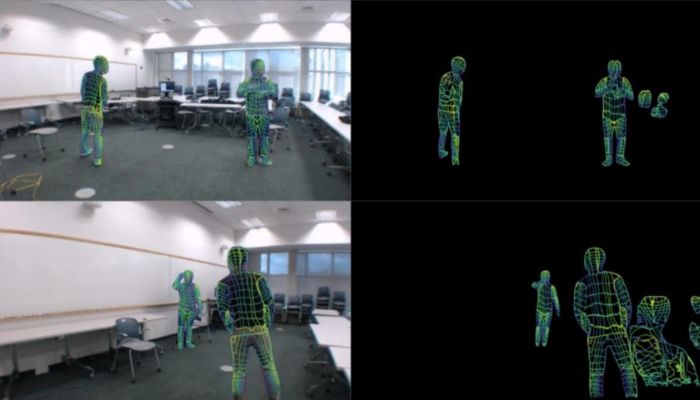
Using Wi-Fi, the researchers sought to be able to identify the dense pose of human bodies (photo credits: Carnegie Mellon University)
How Can Wi-Fi Routers Scan Human Bodies?
It is important to note that this research does come from a study where the researchers have expressly aimed to have this result. Essentially, they were seeking to conduct dense pose estimation via Wi-Fi. This means they were seeking to map all human pixels of an RBG image to the 3D surface of the human body such with motion capture using Wi-Fi antennas. To do so, they “developed a deep neural network that maps the phase and amplitude of WiFi signals to UV coordinates within 24 human regions.” The result? The model was successfully able to estimate the dense pose of multiple objects using Wi-Fi signals as the only input.
More from the desk
Six other notes from the rest of the bench.
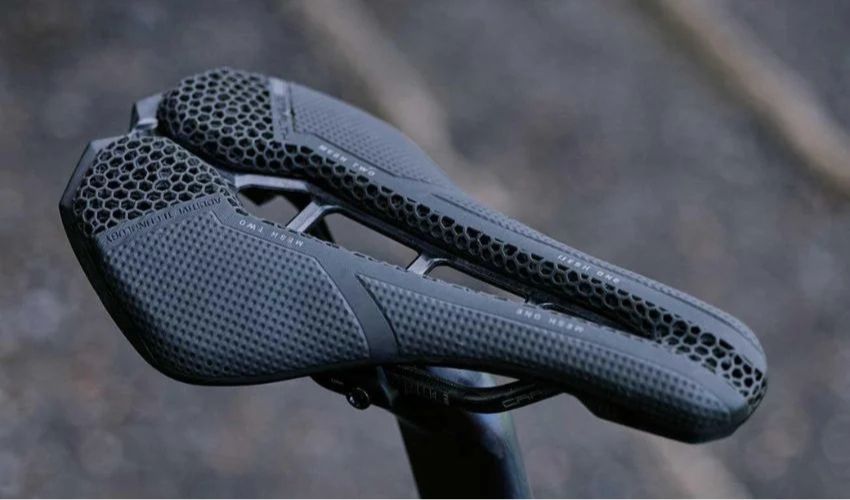 ApplicationsPRO Stealth 3D: A 3D-Printed Saddle for Improved Comfort and Performance3D printing is gaining momentum in the sports equipment sector, particularly in cycling. The Dutch brand PRO unveiled its first saddle featuring 3D-printed components: the Stealth 3D. This model uses additive manufacturing to improve rider comfort, optimize pressure distribution,
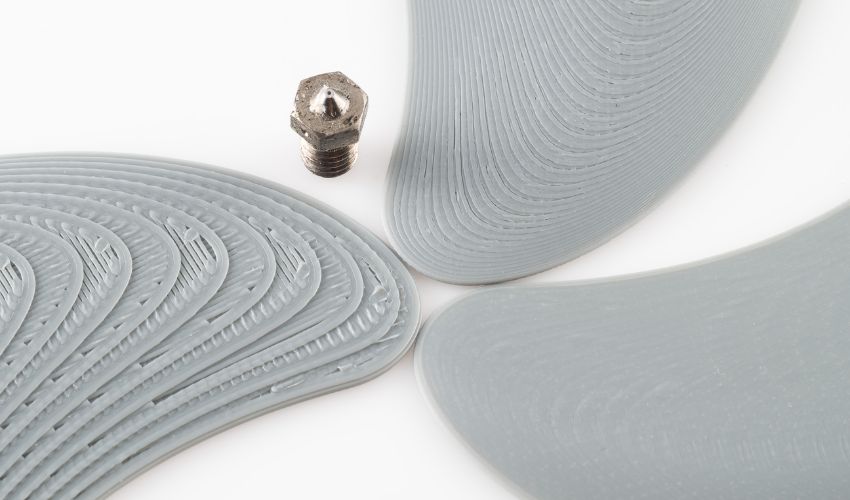 NewsWhat Does Resolution Mean in 3D Printing?In 3D printing, resolution generally refers to the degree of detail and precision a printer can achieve when creating an object, but more specifically, it refers to the minimum feature size of the X, Y and Z axes. The XY…
 NewsIndustrial scale 3D printing will experience tremendous growth in 2020In a study conducted by Essentium back in March, it was reported that users of AM were starting to invest in 3D printing for mass-production. The report was based on an online survey of 114 stakeholders responsible for decisions regarding…
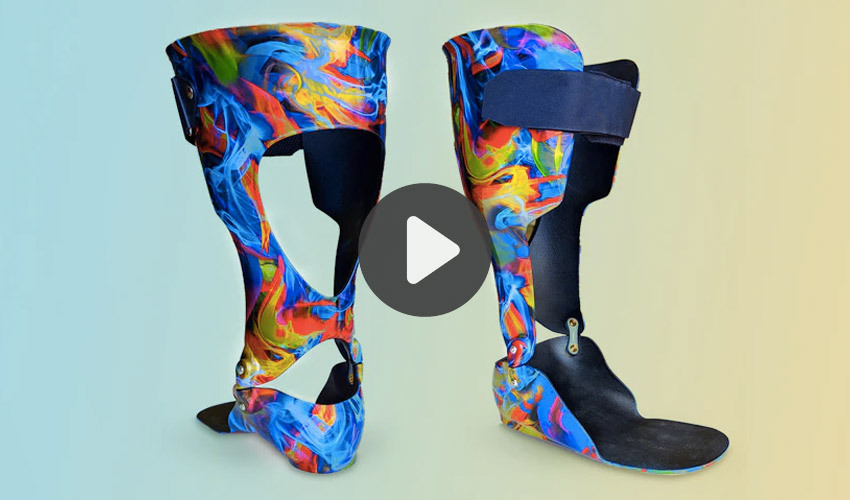 NewsTop 5 Videos: Korthotics’ 3D Printed Orthoses and More!This week, we introduce you to Korthotics, the Australian company that, through 3D printing, produces custom orthotics. Thanks to 3D technologies, Korthotics is able to offer its patients fast and reliable production. For the second video, we’re taking this opportunity to r
 Printers3D Printing on a Budget: What Do You Need to Know?It is no secret that 3D printing is growing in popularity both at home and in industry. That is not to say that there are no obstacles that could prevent someone interested in the topic from taking it up as…
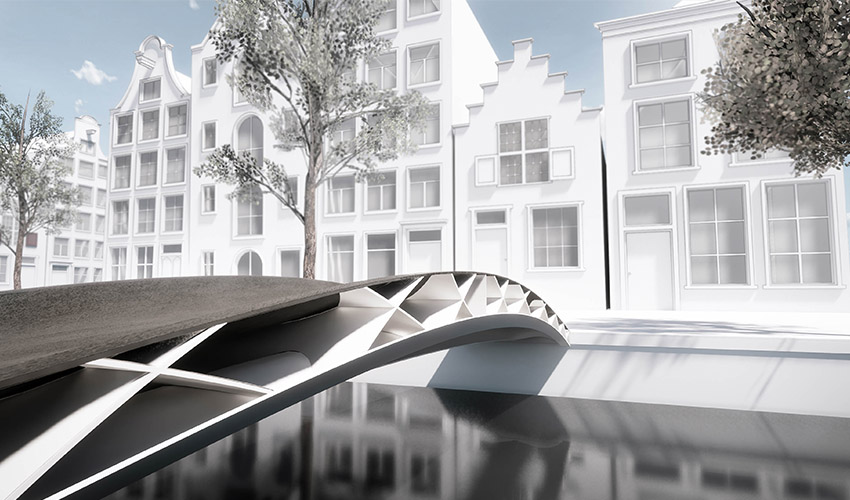 NewsFirst lightweight 3D printed bridge prototype is versatile and sustainableThe first lightweight 3D printed bridge prototype has been designed for pedestrian use by Royal HaskoningDHV, CEAD and DSM. The three companies are working together to lead a revolution in bridge construction and design, showcasing how leading companies in the…